
TOKYO —
Start with what this story is not. It is not a deal. It is not an agreement, a bid, or even a confirmed conversation. It is a report — Bloomberg News, as reported by Reuters on Friday — that SoftBank Group is considering an acquisition of Allied Universal that could value the American security services company at about $18 billion, citing people familiar with the matter. Reuters was explicit about the stage of things: deliberations are preliminary, and no final decisions have been made, including on the potential price. SoftBank declined to comment on the report. Allied Universal did not immediately respond to Reuters' request for comment. Everything that follows sits inside those guardrails.
With that honesty out of the way: what a fascinating pairing to even be considering. On one side, SoftBank — the Japanese investment giant built by Masayoshi Son, famous for enormous, swing-for-the-fences technology bets through its Vision Fund, an early investor in Alibaba, majority owner of chip designer Arm, and, notoriously, a major backer of WeWork. On the other side, Allied Universal — a company whose business is, at its core, people. Security officers at office buildings, venues, major events and, increasingly, data centers. Guards, gates, badges, patrols. If the AI era has a physical front door, Allied is one of the companies standing at it.
Why a security company fits an AI strategy
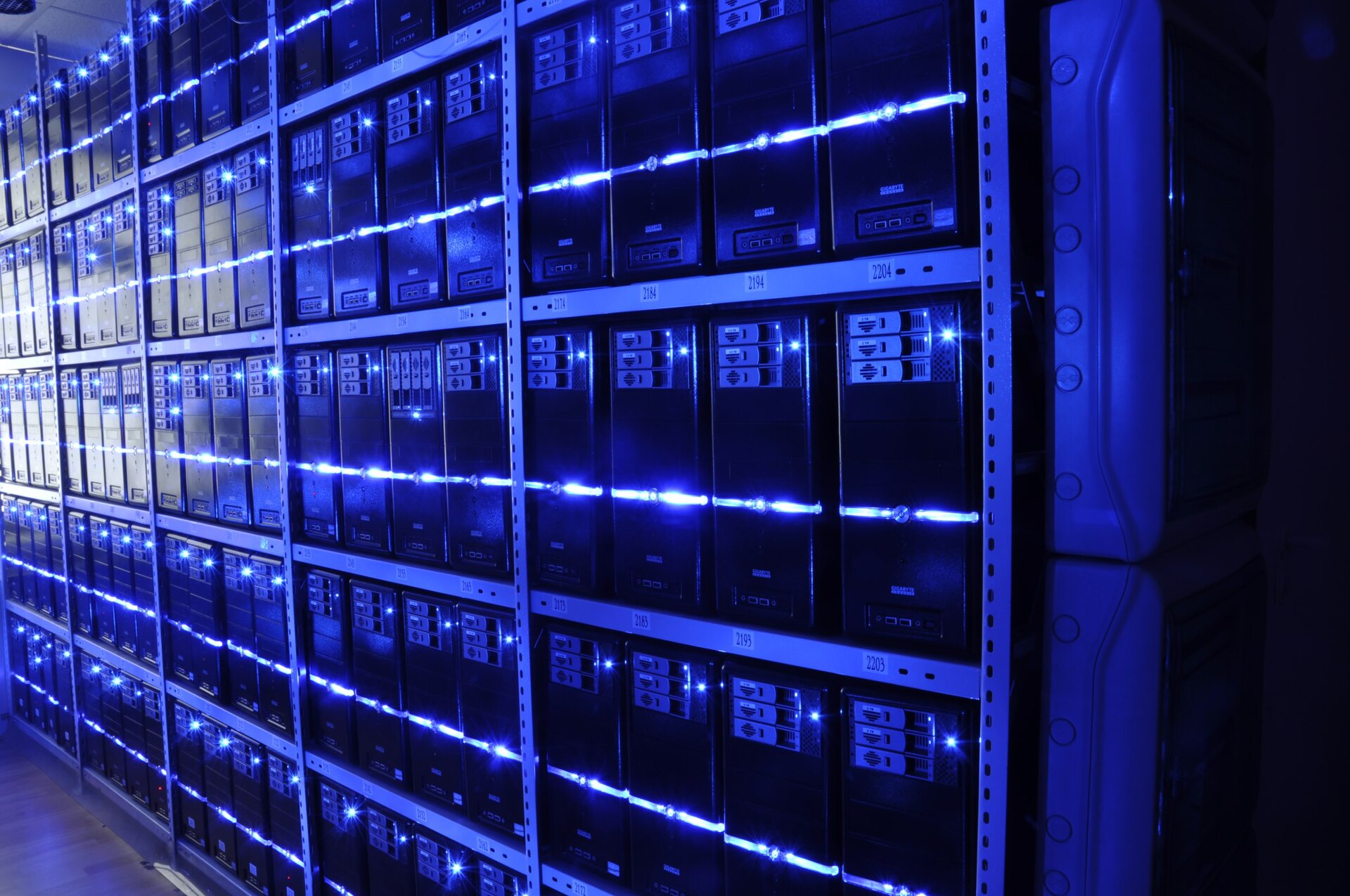
Reuters, summarizing the Bloomberg report, laid out the logic plainly. Allied provides security staffing for businesses, venues and major events, and it has a growing presence in the data center industry, supporting both the development and operation of facilities. That last clause is doing a lot of work. Data centers are the factories of the AI age — vast, power-hungry, and suddenly among the most sensitive commercial sites in the country. They need securing, around the clock, by people who can be vetted and trusted. A company already inside those fences has something no software license can replicate overnight: access, contracts and a workforce on site.
For Son, the fit runs deeper than guarding server halls, according to the report. Reuters said a potential acquisition would complement Son's increasing focus on AI, as he explores the use of AI-powered robots across industries and looks to strengthen the infrastructure needed to support the technology. Reuters has separately chronicled that strategy in detail: Son aiming to build SoftBank into a leading AI platform with investments spanning semiconductors, data centers, large language models and robotics, including its huge commitments to OpenAI and the planned acquisition of digital infrastructure investor DigitalBridge, announced in December 2025 at about $4 billion. An $18 billion Allied deal would be a different kind of move in the same direction — not buying the brains of AI, but buying a piece of the physical world AI has to operate in.
The robot line everyone will quote — and the caveat attached to it
Here is the detail that will travel farthest, so it deserves its context. According to the Bloomberg report as summarized by Reuters, with Allied, SoftBank would look to eventually replace some staff with robots to handle security work, citing one of the people familiar with the matter. And in the very next breath, the report added the counterweight, citing another person: the application of humanoid-like security workers will likely take more time.
Read those two sentences together and you have the whole story in miniature. The long-term idea — fleets of machines patrolling facilities, trained on a real security company's operations, sites and client needs — is exactly the kind of thesis Son loves: buy the incumbent, then automate it from the inside. The short-term reality, acknowledged inside the same report, is that humanoid security workers are not around the corner. Security is a trust business. Clients buy judgment, presence and accountability as much as they buy hours, and a robot that can do all of that, at scale, in a crowded arena on a Saturday night, is a research project, not a product roadmap.
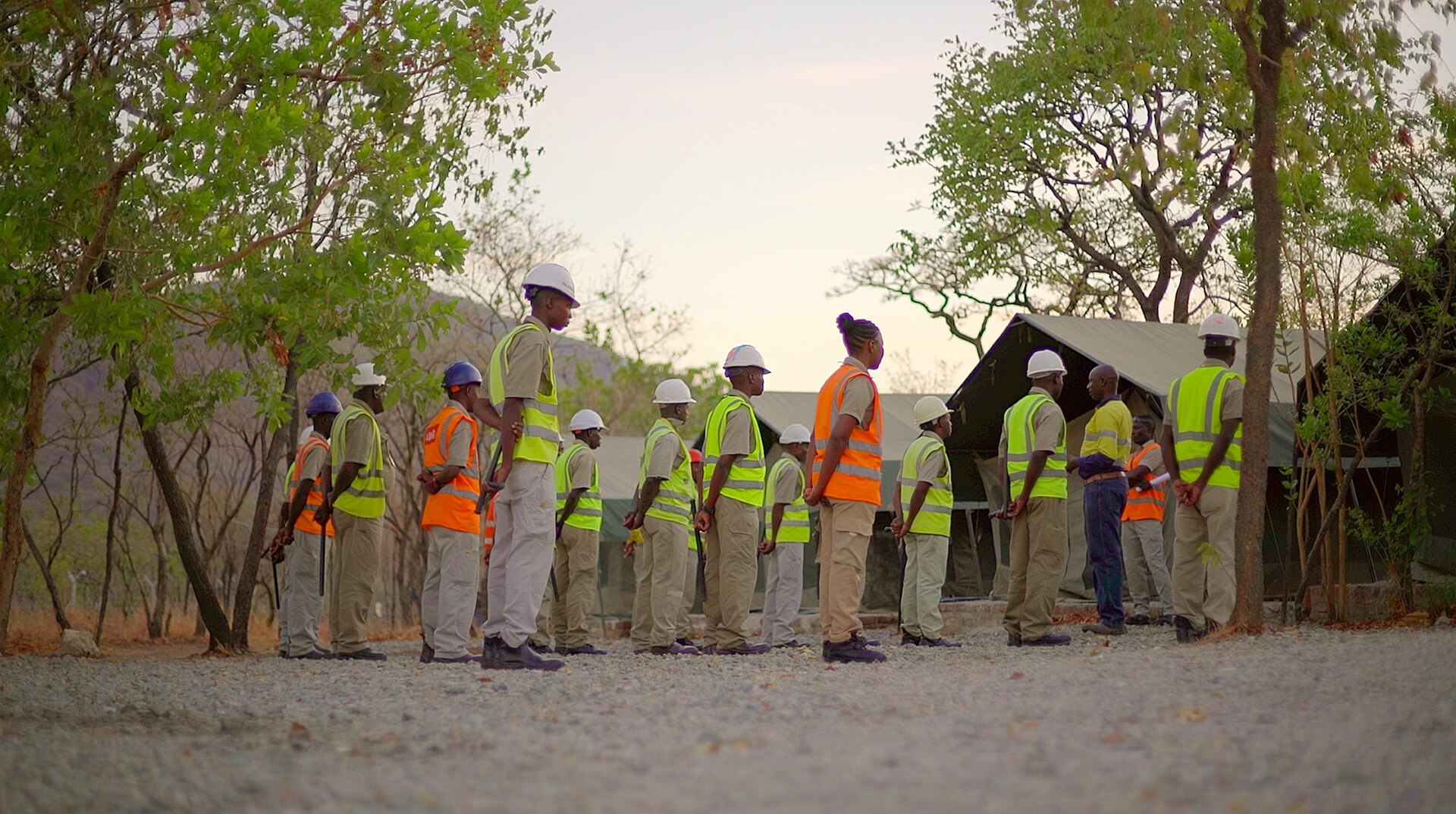
There is also a human question the report cannot answer, because no deal exists to answer it. Allied Universal's workforce is enormous by any standard — security staffing is one of the most labor-intensive businesses in America. Any owner talking, even in preliminary, secondhand reporting, about eventually replacing some staff with robots is talking about real people's livelihoods as a long-term line item. That does not make the consideration illegitimate; automation has been reshaping security work for years, from cameras to remote monitoring. But it does mean that if this ever moves from consideration to negotiation, the workforce question will be a public one, not just a synergy slide.
What $18 billion would — and would not — mean
The reported valuation, about $18 billion, would make this one of the larger services deals in recent memory and a notably un-SoftBank-looking SoftBank deal on the surface: not a high-growth software rocket ship, but a mature, labor-heavy services business. That is precisely why it is interesting. Son's recent pattern, per Reuters' own rundown of his AI bets, has been to assemble the full stack — chips through Arm, models through OpenAI, infrastructure through DigitalBridge and the Stargate data center project. Allied would add the layer nobody puts in the keynote: the people, and eventually perhaps the machines, who physically secure all of it.
Seeking Alpha, covering the same report Friday, noted SoftBank shares fell following the news — a familiar first reaction when a company famous for bold spending is reported to be eyeing another very large check. Investors have long memories, and WeWork is the memory that never quite fades. But a share move on a preliminary, unconfirmed report says more about reflex than analysis. There is, at this stage, simply not much to analyze: no price has been decided, no structure described, no timeline given, and neither company has confirmed the deliberations exist.
So the right way to file this story is exactly how Reuters framed it: SoftBank is weighing it. Considering. Looking. The boring verbs are the accurate ones, and in deal reporting the accurate verbs are the whole ballgame. Plenty of considered acquisitions die quietly in the preliminary stage, and this one may too — or it may become the strangest, most revealing purchase of the AI era: the moment its biggest believer decided the future needed guarding, and bought the guards.
Previously will update this story if either company comments or the reporting firms up. Until then, it is a consideration with an $18 billion question mark — reported, preliminary, and undecided.
Sources: Reuters (Oct. 16, 2026, 20:04 UTC) reporting Bloomberg News, citing people familiar with the matter; Reuters background on SoftBank's AI investments (Sept. 24, 2026); Seeking Alpha coverage of the report and share reaction. No final decision has been made, per the report.
More business coverage: Nasdaq's midday selloff and the AI debt question • CoreWeave's debt selloff, explained • Latest news