

Two mornings in a row, the inflation numbers have refused to behave. The Labor Department reported Thursday that the Producer Price Index — the measure of prices businesses pay at the wholesale level, before goods and services reach shoppers — rose 1.3 percent in September from August, and 6.3 percent from a year earlier. Both figures landed far above what economists had forecast, and both arrived less than a day after a consumer inflation report that was hot enough on its own to rattle Wall Street. If Wednesday was the warning shot, Thursday was the echo nobody wanted to hear.
Start with how wide the miss was. August's monthly gain was 0.4 percent, and forecasts for September clustered around 0.5 to 0.6 percent. The actual print, at 1.3 percent, was more than double the consensus. On an annual basis, wholesale prices were up 6.3 percent, climbing from a 5.4 percent pace in August and overshooting forecasts that sat roughly between 5.3 and 5.5 percent. One hot month can be an accident. An acceleration this broad, layered on top of yesterday's consumer data, starts to look like a direction. We walked through Wednesday's consumer report — and the record profit TSMC posted in the middle of it — in our earlier story on Wall Street's hot inflation morning. Thursday's release is the follow-through, and it gives the inflation story a second, independent source: the costs building up behind the checkout counter, not just the prices at it.
The Core Reading Tells the Same Story
Skeptics of any single inflation report usually reach for the core number — the version that strips out food and energy, the two categories that swing wildly with weather, harvests and geopolitics. Strip those away this month and the picture does not calm down. Core producer prices rose 0.7 percent in September from the month before, and 5.0 percent from a year earlier. Both were above forecasts that had centered near 0.3 percent for the month and roughly 4.4 to 4.5 percent for the year. That matters because the core reading is the one economists trust to show the underlying trend, the part of inflation that is not just a bad month at the gas pump. When the headline number and the core number point the same way at the same time, the usual escape hatches — blame fuel, blame groceries — get a lot harder to climb through.
Why should anyone outside a trading desk care about wholesale prices? Because of where they sit in the pipeline. Producer prices measure what businesses charge each other and what producers receive for their goods and services. When those costs climb, companies eventually face a choice: absorb the hit in their profit margins, or pass it along to customers in the form of higher shelf prices. The pass-along is not instant and it is never complete, which is exactly why traders watch this report so closely. It is less a photograph of inflation today than a preview of the pressure that may arrive at the register in the months ahead — pressure that Wednesday's consumer figures suggest is already building.
And Yet Shoppers Kept Spending
Here is where Thursday's data dump gets genuinely strange, in an almost impressive way. The Commerce Department reported that retail sales rose 0.8 percent in September — about double the roughly 0.3 percent increase economists had expected. Even setting aside car dealers, the number held up: sales excluding autos rose 0.9 percent, according to CoinDesk's summary of the release. So on the very morning the government confirmed that wholesale costs are surging, it also confirmed that American consumers walked into stores and onto websites in September and spent anyway.
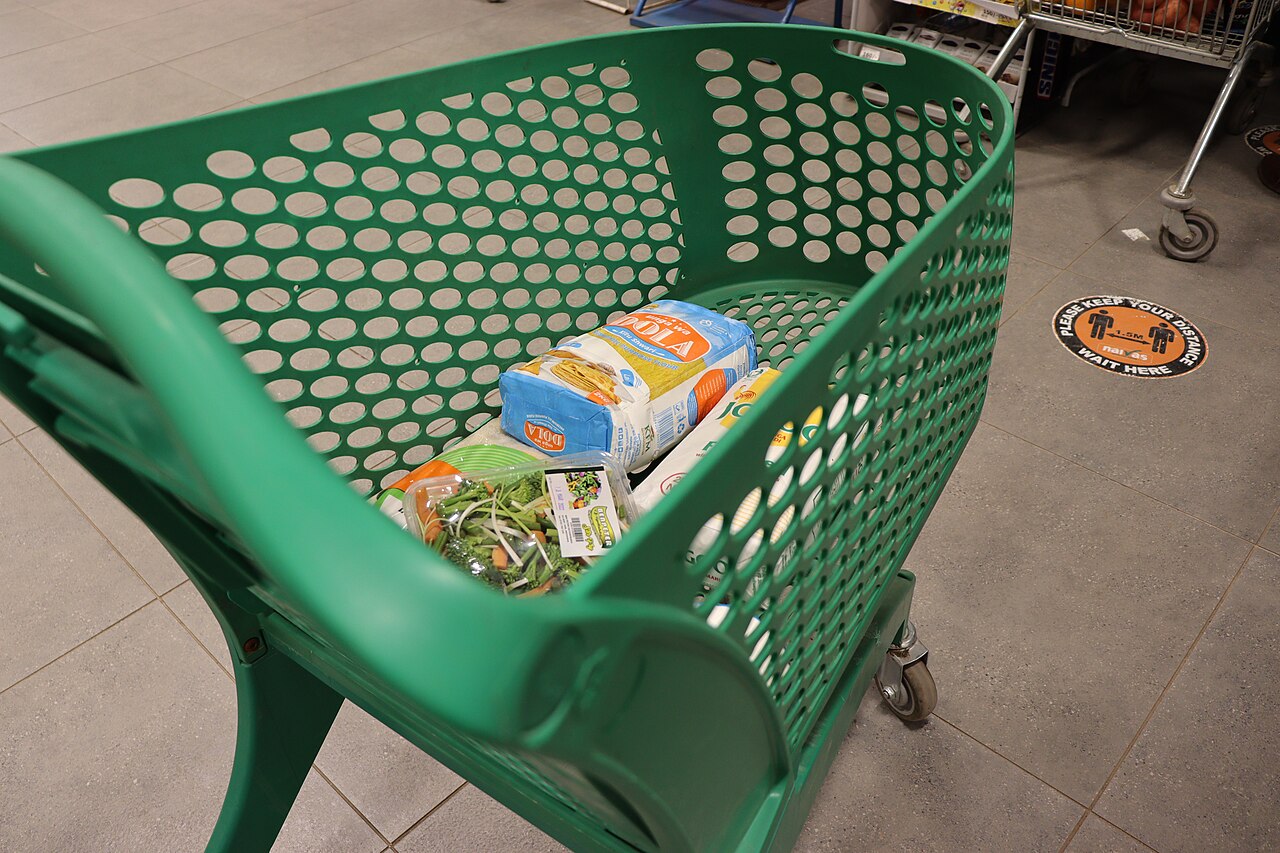
There are two ways to read that resilience, and honest analysts are split between them. The optimistic reading is that households are still employed, still earning and still confident enough to spend through higher prices — an economy bending rather than breaking. The pessimistic reading is that some of that spending is simply the inflation itself: when prices rise, the dollar total at the register rises with them, even if the cart holds the same number of items. Both readings can be partly true at once, and September's report does not settle the argument. What it does settle is simpler: reports of the American consumer giving up are, for another month at least, premature.
The Jobs Market Refuses to Crack, Too
The third release of the morning was the quietest, and in its own way the most remarkable. Weekly initial jobless claims — the count of people filing for unemployment benefits for the first time — edged up to 199,000 from 197,000 the week before. That was right around the roughly 200,000 economists had expected, and it keeps claims at levels that are historically low. Layoffs, in other words, are not surging. For the Federal Reserve, this is the awkward part of the puzzle: inflation running hot normally argues for tighter policy, while a labor market this calm removes the usual excuse for patience. An economy that is still hiring and still spending does not give the central bank an easy story for standing still, and it does not give it a clean one for moving, either.
Wall Street Splits Down the Middle
Investors spent Thursday morning trying to price all of that at once, and the result was a market arguing with itself. According to Investopedia's live coverage, the Nasdaq was down about 0.8 percent and the S&P 500 about 0.3 percent in early trading, while the Dow Jones Industrial Average rose roughly 0.5 percent. The split makes a certain sense: the Dow's older, steadier companies are less exposed to the interest-rate math that punishes technology stocks, whose valuations lean heavily on profits expected far in the future — profits that get discounted harder every time rates look likely to stay high or climb.
Technology and artificial-intelligence names took the worst of it for a second straight day. Investopedia and Investor's Business Daily both reported that CoreWeave fell about 8 percent further on Thursday morning, after dropping roughly 15 percent on Wednesday. The bond market, meanwhile, offered a small note of relief: the yield on the 10-year Treasury note sat around 5.06 to 5.09 percent on Thursday, down from Wednesday's spike to 5.33 percent after the consumer price report landed. A yield falling back from a spike is not the same as calm — 5 percent-plus on the 10-year remains an extraordinary level by the standards of the last two decades — but it suggests Thursday's wholesale numbers, however hot, did not trigger a fresh wave of panic on top of Wednesday's.
Two Hot Prints, One Difficult Meeting Ahead
Put the two days together and the shape of the problem is hard to miss. Wednesday's September consumer price index rose 3.7 percent from a year earlier, a reading hot enough to lift expectations that the Federal Reserve could raise interest rates later this month. Thursday's producer price report did nothing to argue anyone out of that view. Central bankers insist they look at the whole picture rather than any single release, and they are right to. But the whole picture, as of Thursday morning, consists of consumer inflation accelerating, wholesale inflation accelerating faster, retail sales beating forecasts, and an unemployment line that refuses to lengthen. Every one of those facts, on its own, points the same direction.
None of this guarantees what comes next. Inflation reports have head-faked markets before, monthly data gets revised, and one more report can redraw the picture again before any decision is made. But the burden of proof has shifted. A week ago, the question hanging over the economy was whether inflation was fading quietly enough to leave policy alone. After two mornings like these, the question is who is going to argue that it is fading at all. The full day's headlines, as they develop, are on our news front.
Sources · 3 sources
- Investopedia — Stock Market Today: wholesale prices come in well above expectations
- Investor's Business Daily — Stock Market Today: Dow rises, Nasdaq tumbles as inflation data lands
- CoinDesk — Live coverage summarizing the September retail sales release
Photos: supermarket aisle by Wikimedia Commons contributors, via Wikimedia Commons; shopping cart photo via Wikimedia Commons.