
October 14, 2026
Falcon 9 lifted off at 6:33 a.m. Eastern Tuesday, its booster landed back at the Cape, and Dragon C211 is chasing the station with 6,300 pounds — including the last pair of roll-out solar arrays. Docking is Thursday at 11 a.m. Eastern.
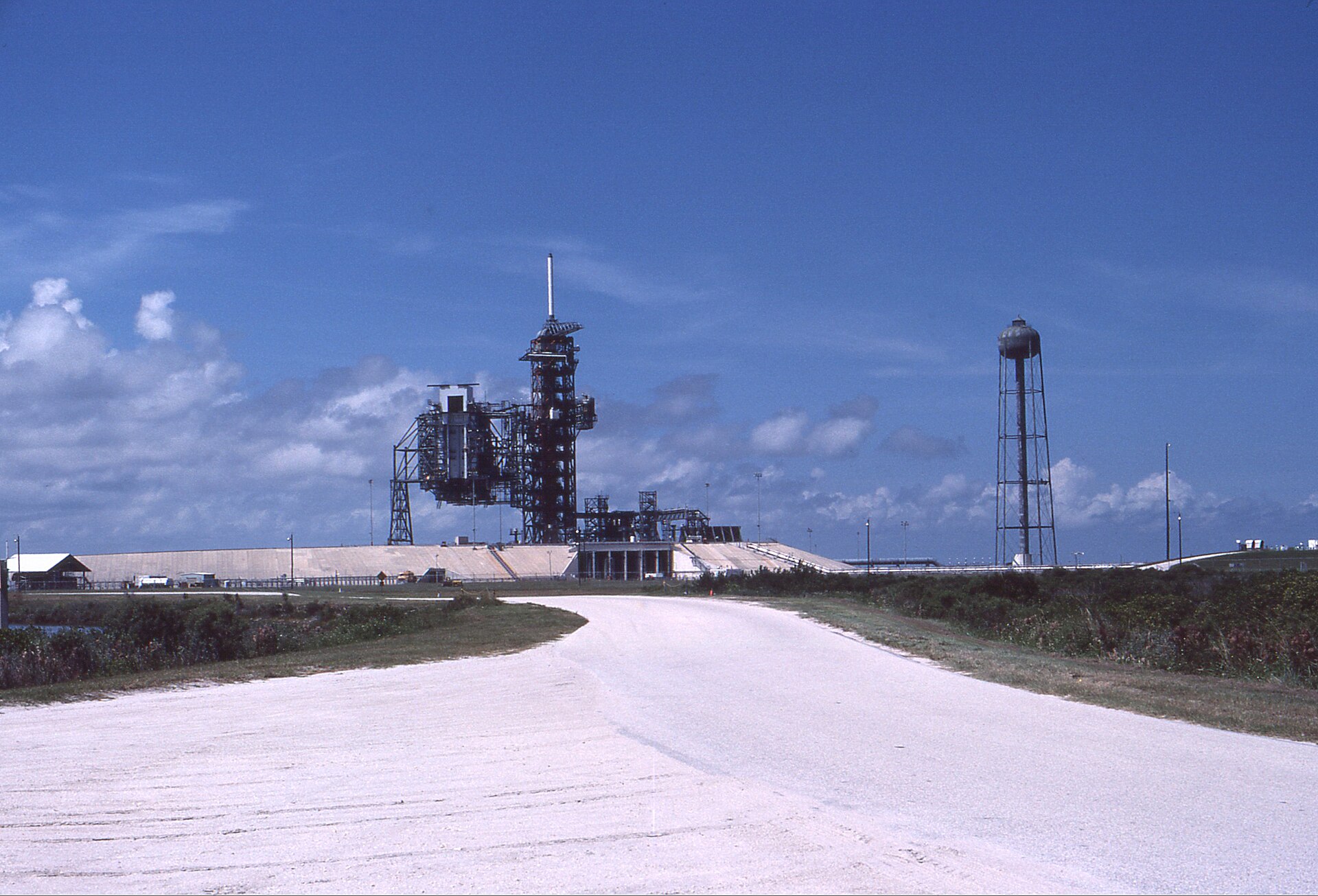
The preview became a flight. At 6:33 a.m. Eastern on Tuesday, a SpaceX Falcon 9 lifted off from Space Launch Complex 40 at Cape Canaveral Space Force Station carrying NASA's CRS-35 cargo Dragon toward the International Space Station — the launch we previewed in our earlier report on the mission, now closed out with the only update that matters: it went, everything worked, and the spacecraft is on its two-day chase to the station. NASA said the mission carries more than 6,300 pounds of supplies, hardware and scientific investigations, headlined by the final pair of roll-out solar arrays the station will ever receive.
Seven and a Half Minutes to Landing Zone 40
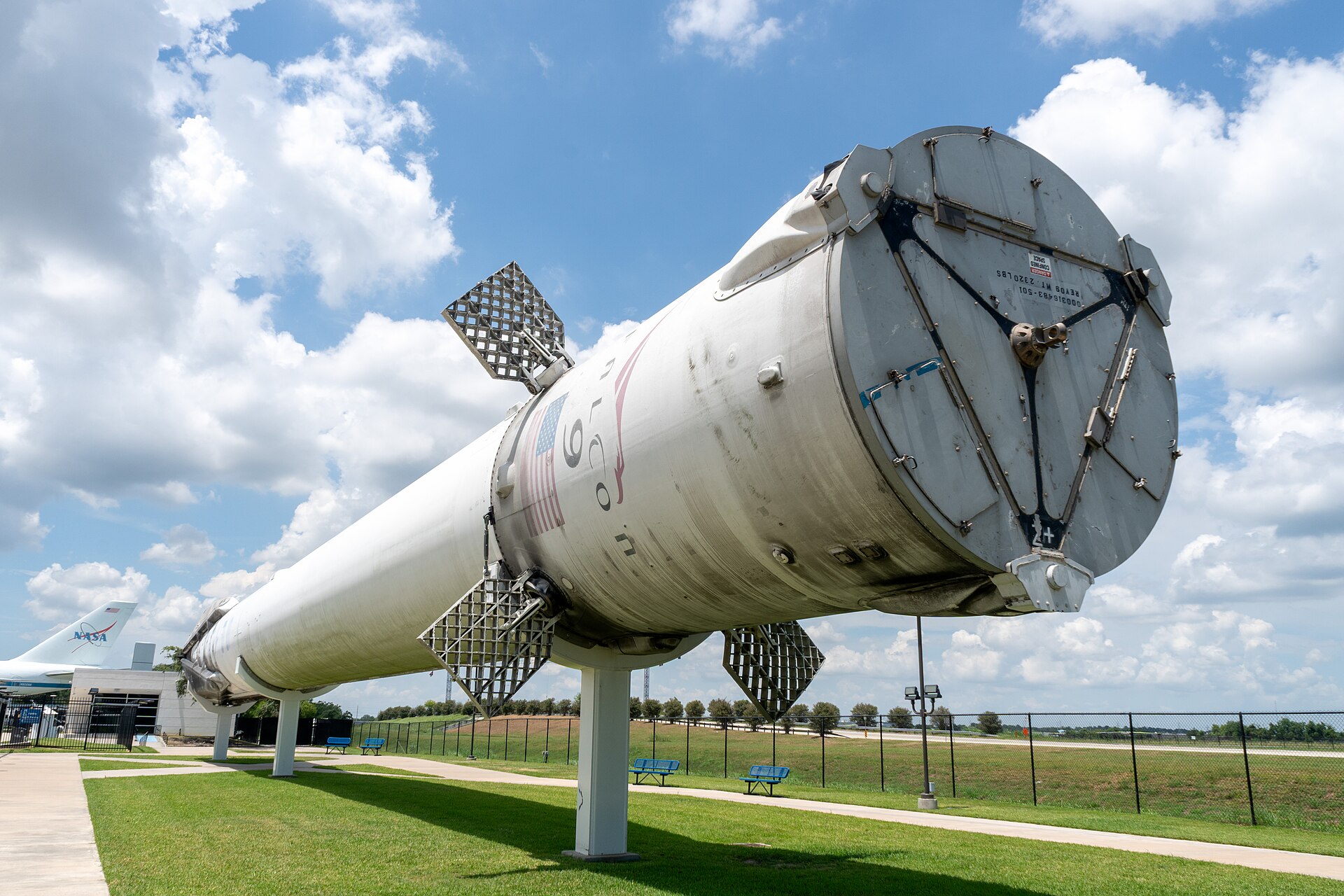
The launch played out on the timeline SpaceX has made routine and nobody watching ever quite treats as routine. Fewer than seven and a half minutes after liftoff, the Falcon 9's first stage — booster B1096, flying its eighth trip to space — touched down at Landing Zone 40, adjacent to the launch pad, and a sonic boom rolled across the Space Coast to announce it, Spaceflight Now reported. About two minutes later, the Cargo Dragon spacecraft, tail number C211, separated from the upper stage to begin its journey. C211 is a veteran: Spaceflight Now and NASA's mission records note this is its fourth flight, after previously supporting the CRS-26, CRS-29 and CRS-33 missions.
The timing produced the spectacle Florida's early risers had been promised. Launching at 6:33 a.m., well before a 7:21 a.m. local sunrise, the rocket climbed out of darkness into sunlight at altitude, and its exhaust plume caught the sun while the ground below was still dark — the so-called space jellyfish effect that lit up pre-dawn skies across the Southeast and sent the usual round of startled photos through social media before NASA's explanation caught up with them.
The Last Arrays the Station Will Ever Get
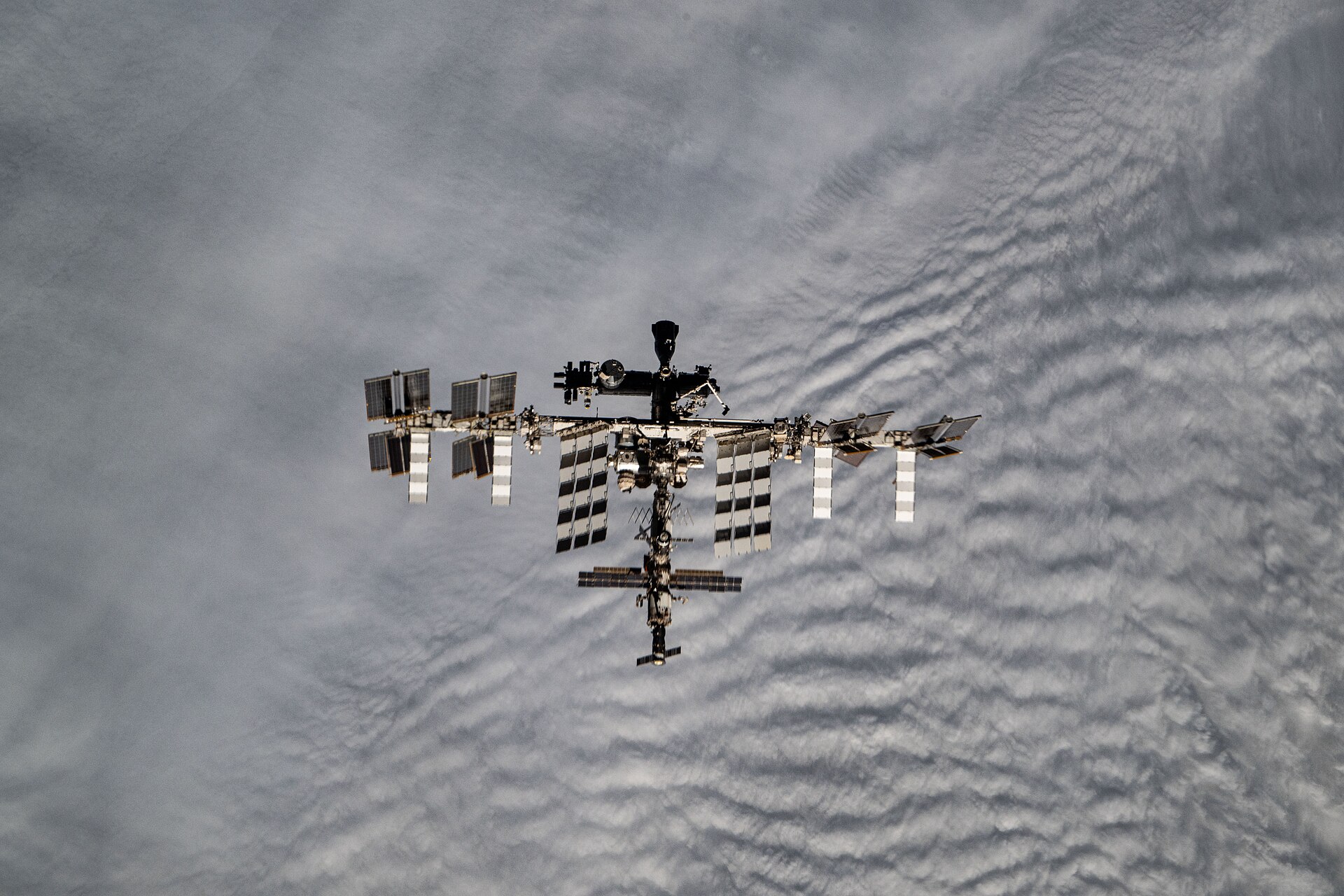
In Dragon's unpressurised trunk sit the mission's headline cargo: the fourth and final pair of International Space Station Roll-Out Solar Arrays, built by Redwire Space. Spaceflight Now reported each array is capable of providing more than 20 kilowatts of power for more than ten years. NASA said the pair completes the station's power-system augmentation, increasing the electricity available for research and operations and supporting the station's planned safe, controlled deorbit at the end of its life. Astronauts will install the arrays during a series of spacewalks planned for later this fall — the final chapter of a multi-year upgrade that has been rewiring the station's aging power grid one Dragon trunk at a time.
The pressurised cargo is the station's other purpose in miniature. NASA said Dragon is delivering hardware to manufacture artificial retinas in microgravity, aimed at restoring vision on Earth; 3D heart-tissue models for drug-testing research; materials to study how a new type of glass forms in orbit; and brain organoids intended to identify treatment targets for neurodegenerative diseases including Alzheimer's, Parkinson's and multiple sclerosis. It is the standard CRS manifest in the best sense — part power plant, part laboratory supply run — and, with the station's retirement on the horizon, each of these flights now carries a quiet finitude the early ones did not.
Eight Flights for the Booster, and a Hometown Experiment
B1096's eighth flight adds to one of the longer résumés in the Falcon fleet. NASA and SpaceX's mission records list its previous assignments as a mix of the programme's whole portfolio — the KF-01 Kuiper flight, NASA's IMAP space-weather mission, two National Reconnaissance Office launches (NROL-77 and NROL-95), a GPS III satellite (GPS III-9), the previous cargo run CRS-34, and a Starlink deployment. A booster that has carried a navigation satellite, two classified payloads, a heliophysics observatory and now two consecutive station resupply missions is the reusability argument in a single airframe: the same rocket, inspected and flown again, doing the ordinary work of orbit.
There is also a hometown passenger aboard Dragon. Among the investigations flying on CRS-35 is an experiment built by students at Florida Tech in Melbourne — a short drive from the launch pad — flying alongside the artificial-retina hardware, heart-tissue models and brain organoids in the pressurised cabin. Student payloads have become a quiet fixture of the cargo manifest, and for the Florida Tech team the timeline now runs like everyone else's: launch Tuesday, arrival Thursday, and then weeks of data from an experiment that started in a university lab and is now bolted into the station's research programme.
Thursday: Rendezvous at Harmony
What remains is the approach. Dragon is scheduled to dock autonomously at about 11 a.m. Eastern on Thursday, October 15, to the space-facing — zenith — port of the station's Harmony module, NASA said, with live rendezvous and docking coverage beginning at 9:15 a.m. Eastern on NASA's platforms. The spacecraft is expected to remain attached for about a month, departing in mid-November to splash down off the California coast with time-critical research and cargo aboard, completing the round trip that defines the Dragon programme: up with the new science, down with the results.
For readers following the mission from our preview, the checklist from Tuesday morning has closed out clean — launch on time at 6:33, booster recovered at Landing Zone 40, Dragon separated and healthy, and the final solar arrays in transit. The next milestone is Thursday's docking, and the mission will round out the space coverage in our Wednesday wrap of the day's biggest stories. Previously will update this report when Dragon arrives at Harmony.
Sources · 2 sources
Reporting based on coverage from NASA and Spaceflight Now.
- Spaceflight Now — SpaceX launches NASA science and cargo to the International Space Station
- NASA via Space and Defense — NASA launches SpaceX CRS-35 resupply mission to the International Space Station





