
Before January 1993, halftime was when America went to the refrigerator. After it, halftime was the show. Hulu and ESPN announced on Tuesday, October 13, that they are making Spectacle: Michael Jackson at the Super Bowl, a documentary arriving in February 2027 about the Super Bowl XXVII halftime performance that permanently changed what the biggest broadcast in television could be.
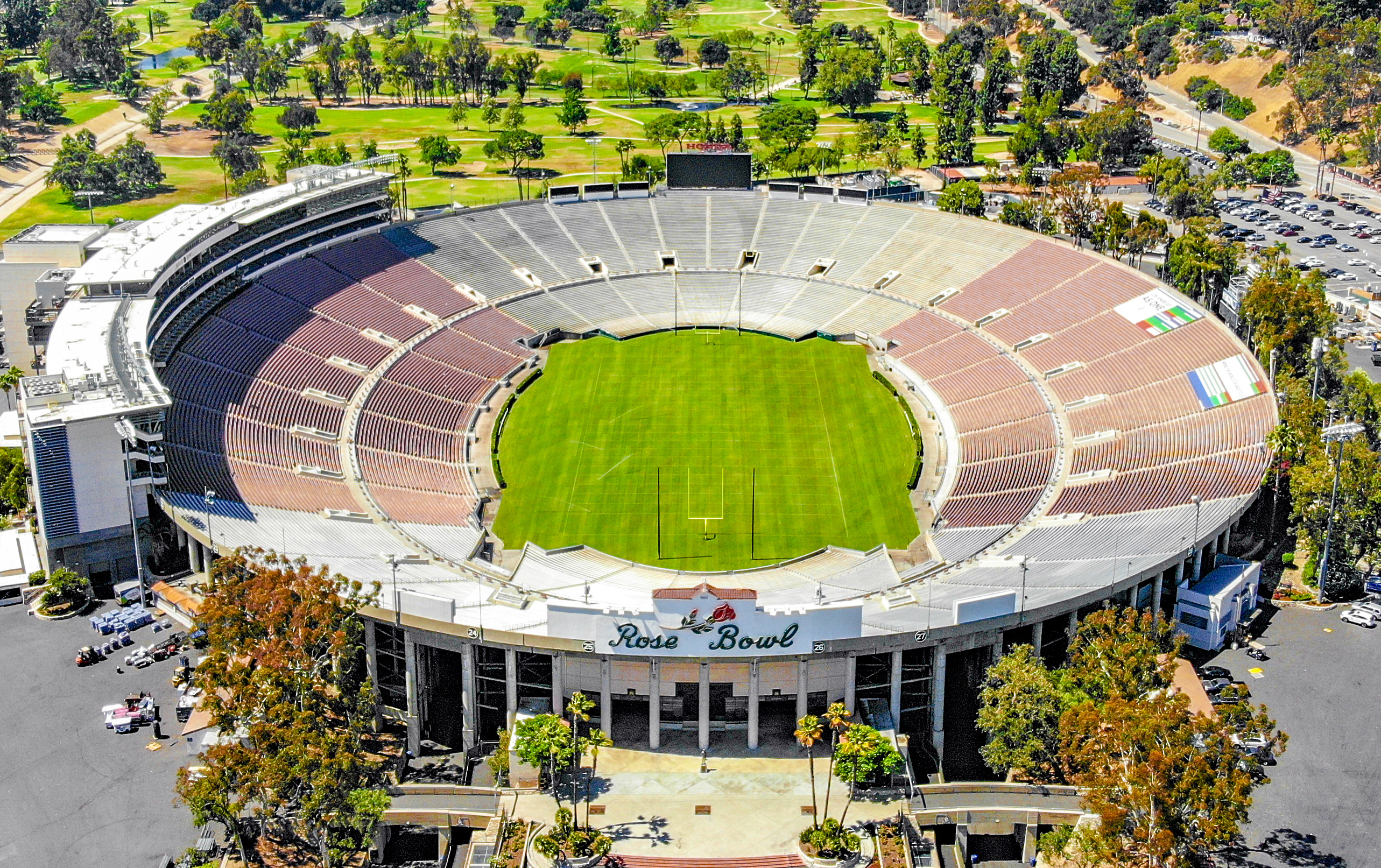
The announcement, carried by The Futon Critic from Hulu's press release at 10:00 AM on Tuesday, sets the film's subject plainly: in January 1993, Michael Jackson took the stage at the Rose Bowl during the Super Bowl XXVII halftime show, and the worlds of sport, entertainment and broadcast were transformed. Consequence covered the announcement the same day, noting the February 2027 arrival on Hulu and ESPN and the performance's reputation as a landmark in halftime history.
The Night Halftime Became the Main Event
To understand why this performance deserves a documentary, you have to understand what halftime was before it. For most of Super Bowl history, the intermission was exactly that — an intermission. Marching bands, themed pageantry, pleasant filler designed to hold a stadium crowd, not to command a television audience of tens of millions. The game was the event. Everything between the halves was a pause in the event.
Jackson inverted that completely. His Rose Bowl performance treated halftime as a headline concert that happened to be staged inside a football game — a full pop spectacle, built around the biggest entertainer on the planet, produced to concert scale and timed like a broadcast event in its own right. In our view, this is the moment the modern halftime show is born: the moment networks and the NFL learned that the break could be bigger than filler, that a halftime performance could be the most talked-about twelve minutes of the entire day, and that audiences would not just stay in their seats — they would tune in for the show itself.
Every halftime since lives in that shadow. The superstar era of the Super Bowl halftime show — the single-name headliners, the surprise guests, the productions rehearsed for months and argued about for weeks — traces its lineage directly back to Pasadena in January 1993. Jackson did not just perform at the Super Bowl. He repriced what the Super Bowl's middle twelve minutes were worth, forever.
Why a Documentary, and Why Now
A great sports-culture documentary needs two things: an event everyone thinks they know, and a backstory that reframes it. Spectacle, as announced, is built to chronicle the journey to and through the show — the backstory of how that halftime came together and the legacy it left behind. That framing matters. The performance itself has been watched and rewatched for more than three decades. The machinery behind it — the ambition, the risk, the bet that a pop concert could anchor the biggest night in American television — is the story that has never fully been told on this scale.
The timing is its own statement. February 2027 puts the film in Super Bowl season, when the halftime conversation is at its annual peak and a new generation of viewers — many of whom know Jackson's halftime primarily as a clip, a ranking, a piece of inherited mythology — can encounter it as history rather than highlight. There is also a neat symmetry to Hulu and ESPN making it together: this is a story that sits exactly on the border between sports and entertainment, and it took both sides of that border being permanently blurred, on one night in 1993, to make the modern Super Bowl what it is.
Our Take: The Right Subject at the Right Scale
We will be honest: music documentaries get announced constantly, and plenty of them are thin nostalgia exercises. This one has the raw material to be something better, because its subject is not merely a great performance — it is an inflection point. You can divide Super Bowl history into before the Rose Bowl halftime and after it, and the after is the world we still live in: halftime as a global pop stage, an advertising crown jewel and a cultural referendum all at once.
It is also worth remembering what the performance asked of its audience in the moment. Jackson's halftime arrived in a broadcast landscape with no social media, no streaming clips, no second screen — one country, watching the same twelve minutes at the same time, live. That kind of shared simultaneity barely exists in entertainment anymore, which is part of why the footage still feels electric and part of why a documentary about it is really a documentary about a media world we have lost. The show was not just a concert staged in a stadium. It was proof that a single performance, at the right scale, could hold an entire nation's attention in the palm of its hand.
If the film delivers on its announced premise — the backstory, the journey, the legacy — it should be essential viewing for anyone who cares about how sports and pop culture fused into the single biggest spectacle in American media. Spectacle: Michael Jackson at the Super Bowl arrives on Hulu and ESPN in February 2027. More television coverage is on our TV front, sports coverage lives on our sports front, and today's full slate is on the news front.
The Credits, the Trailer, and the Date That Explains the Timing
The creative team behind the film is now on the record, and it is a serious one. According to The Futon Critic, which carried Hulu's official press release, Spectacle is directed and produced by Bao Nguyen — the filmmaker behind The Greatest Night in Pop — and the release describes a Skydance Sports production made in association with Optimum Productions and NFL Films. The Futon Critic also reported that the film features never-before-seen footage of Michael Jackson and his team, which is the detail that lifts this above a simple retelling of a performance most fans have already watched many times.
The specifics of the night itself are worth pinning down precisely. According to Consequence, Jackson's performance took place on January 31, 1993, during Super Bowl XXVII at the Rose Bowl in Pasadena — the game, the stadium and the date that together mark the dividing line in halftime history described above. Consequence reported that the first official trailer for the documentary is out now, giving viewers their first look at how Nguyen and his team are approaching material that has been mythologized for more than thirty years.
The release timing is not an accident, either. According to Consequence, the film arrives ahead of Super Bowl LXI, which is set for SoFi Stadium on February 14, 2027 — meaning the documentary lands in the immediate run-up to the next Super Bowl, when the halftime conversation will already be at full volume. WROR covered the announcement with the same emphasis on that February 2027 window, framing the film as a Super Bowl-season release rather than a quiet catalogue drop, and WROR likewise highlighted the 1993 Rose Bowl performance as the moment the modern halftime spectacle traces back to.
Put those pieces together and the shape of the project gets clearer. The Futon Critic reported the production companies and the never-before-seen footage in Hulu's own release, Consequence reported the director's track record with The Greatest Night in Pop alongside the trailer's arrival, and WROR reported the story for a radio audience that has lived with this performance as a cultural reference point ever since — three different outlets, arriving at the same conclusion: this is being positioned as an event documentary, not a footnote.
Sources · 2 sources
- The Futon Critic — The Futon Critic · Hulu/ESPN press release, Oct 13
- Consequence — Consequence · new Michael Jackson Super Bowl documentary, Oct 13