
WASHINGTON
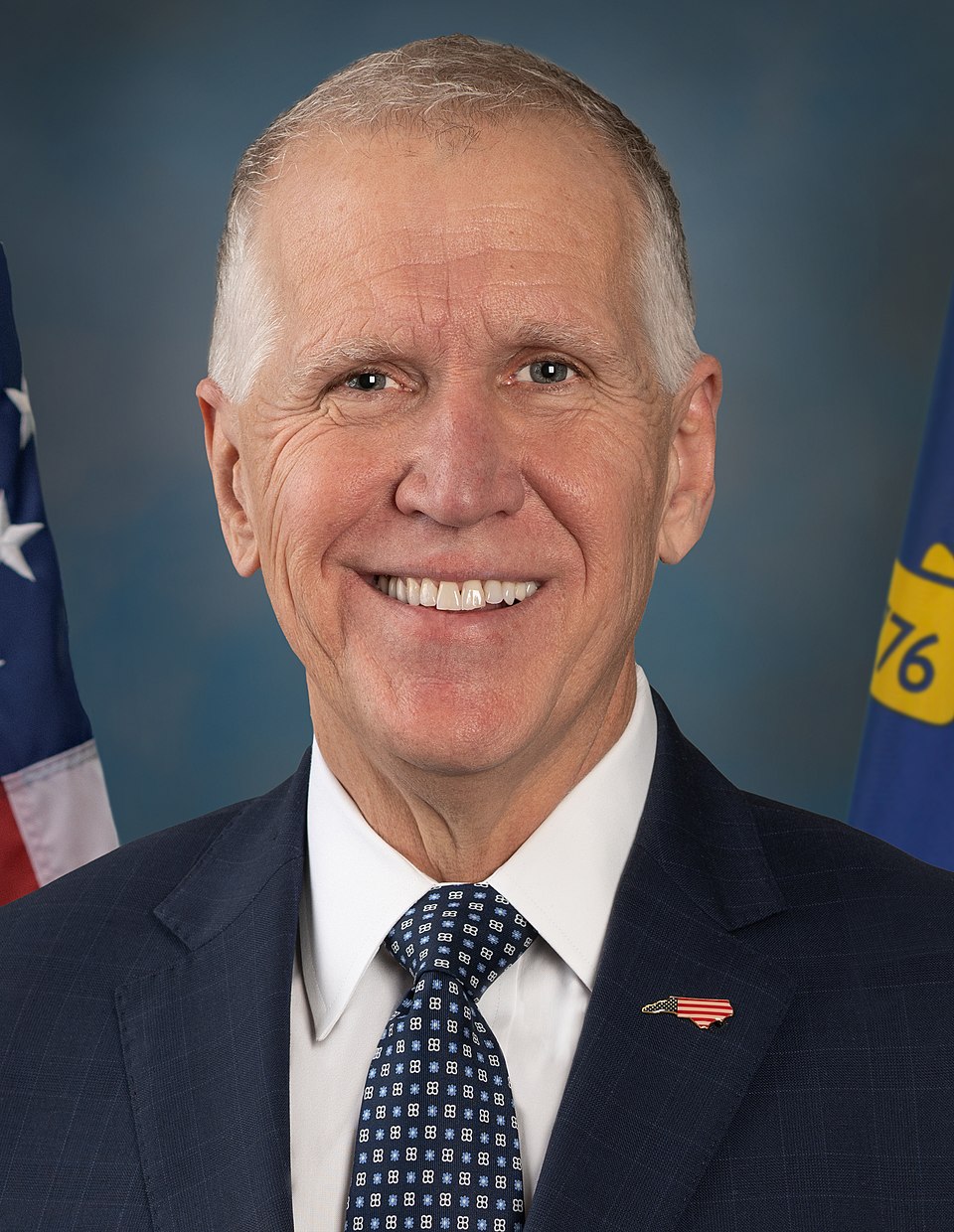
Retiring Republican Sen. Thom Tillis of North Carolina said Sunday that President Donald Trump’s diesel supply deal with Russia may violate federal law — and argued the arrangement could put American lives at risk.
“I do believe there’s a legitimate case for saying the president’s not following the law,” Tillis said during an interview with Kristen Welker on NBC’s “Meet the Press.” When Welker asked him directly whether Trump is breaking the law, Tillis answered: “I believe that he may be.”
That “may” is doing a lot of work. No court has ruled on the question — the claim that the deal is unlawful is Tillis’s assertion, not an established legal finding. But it came from a sitting Republican senator in the final months of his second term, speaking on one of Washington’s most-watched Sunday programs, and it landed with the full weight of a party increasingly uneasy about where the White House is taking America’s Russia policy.
The claimA sitting law, a new deal, and a Friday license
The legal basis for Tillis’s claim, as he and other senators describe it, rests on a 2022 law. Congress banned imports of Russian energy products in April 2022, weeks after Russia launched its full-scale invasion of Ukraine, and lawmakers have not changed that law to accommodate the new deal.
On Friday, Newsmax reported, the Treasury Department’s Office of Foreign Assets Control issued a general license authorizing the sale, delivery, and importation of Russian diesel — including into the United States — through April 7, 2027. The license cites Treasury’s Russia-related sanctions regulations but does not mention the 2022 import ban. The White House did not immediately respond to NBC’s request for comment on the discrepancy.
Tillis also tied the deal to a stark warning. Asked whether the arrangement puts American lives at risk, he said, “It absolutely will,” pointing to Russian funding of mercenaries and the Kremlin’s ties to Iran, a country the United States has been at war with since February, according to Newsmax’s account of the interview.
He then reached for the leverage senators have: money. “If the president wants my support, which I believe he should get for funding military operations and year-end funding beyond baseline funding, I think the president needs to understand this is a problem,” Tillis said. “I’m not the only Republican concerned with this.”
The deal300,000 tons now, millions more later — maybe
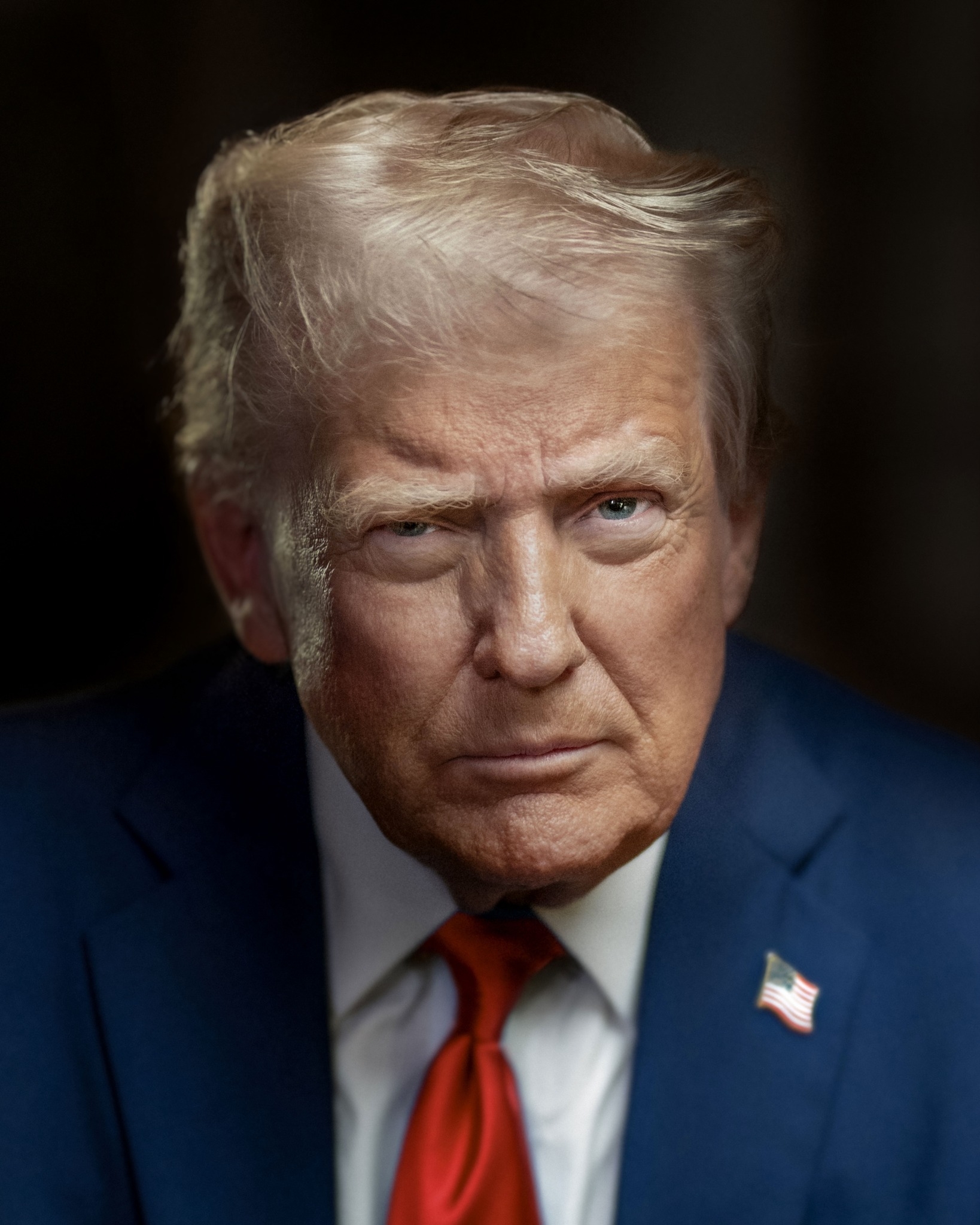
The arrangement at the center of the fight began with an Oct. 9 post on Truth Social, as USA Today reported. In it, Trump said Russia will supply the United States and global markets with 300,000 tons of diesel fuel “immediately” and an additional 1 million tons in November. Trump said Russia will then deliver 3 million tons of diesel “within a short period of time,” adding that the larger deliveries would depend on the condition of Russia’s diesel refineries.
The Kremlin confirmed the arrangement, saying in a statement that the “Russian side reaffirmed its readiness to supply oil and petroleum products to U.S. and global markets.” But the deal’s full terms were not immediately clear — and even the tonnage figures vary by outlet. The Associated Press, via Newsmax, reported roughly 300,000 tons immediately, 500,000 tons in November, 1 million tons after that, and 3 million more later — about 4.8 million tons in all. The numbers differ across reports, and no single official schedule has been published.
The timing added to the whiplash in Washington. Just last month, Trump signed a sweeping Russia sanctions package into law — the legislation named for the late Sen. Lindsey Graham, the “Lindsey O. Graham Sanctioning Russia and Iran Act of 2026” — meant to weaken the Russian economy that is financing Moscow’s war against Ukraine. The AP has reported that the diesel deal raises doubts about whether the administration will impose the penalties that new law calls for this month.
The defenseBessent: “Anyone in Congress … is wrong”

The administration is not backing down. Treasury Secretary Scott Bessent, appearing on Fox News’ “Fox & Friends” on Sunday, said the White House will follow through using what he described as its existing legal authority.
“We’re going to do it with all the legal authorities we have. So, you know, anyone in Congress who says whether it’s an old bill or the current Lindsey Graham bill (that) prohibits us from doing it is wrong,” Bessent said. He called the agreement good for the American people and said it would bring prices down.
That frames the dispute as a collision between two readings of the law: the Treasury Department’s view that its sanctions authorities and general licenses permit the imports, and the senators’ view that a statute passed by Congress explicitly forbids them. No judge has weighed in.
The pushbackSeven senators, both parties: “reverse course”
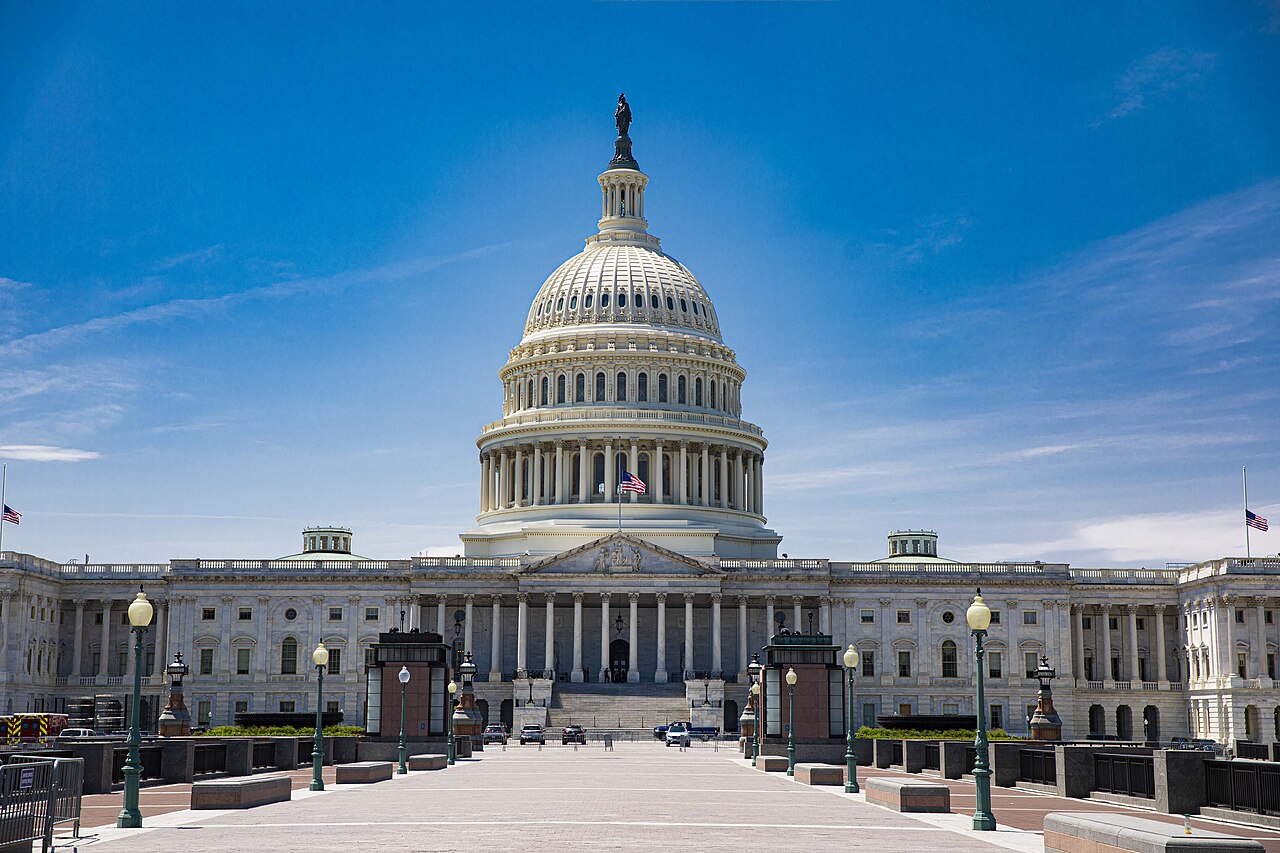
Tillis is not standing alone. Seven senators issued a joint statement on Sunday calling on Trump to reverse course: Republicans Susan Collins of Maine, Lisa Murkowski of Alaska, Tillis himself, and John Curtis of Utah, joined by Democrats Jeanne Shaheen of New Hampshire, Richard Blumenthal of Connecticut, and Ron Wyden of Oregon.
The senators said Congress explicitly banned Russian energy imports in 2022 to prevent American dollars from financing Putin’s war against Ukraine, and charged that the administration failed to consult Congress or submit any explanation, as they said the law also requires.
“The United States should not provide Putin with a financial lifeline while Russia continues to kill Ukrainian civilians. The Administration must immediately reverse course,” the senators wrote.
The group is a notable cross-section of the Senate — appropriators, independents-minded Republicans, and senior Democrats — and its bipartisan composition undercuts any effort to dismiss the objection as a single retiring senator’s parting shot. Rep. Brian Fitzpatrick has also introduced a “Peace Through Strength Act” that would block Russian oil, setting up a potential Republican-on-Republican showdown over the diesel deal.
The pricesAnalysts doubt it moves the needle
The administration’s pitch for the deal is price relief, and the need is real. The average price of a gallon of diesel has risen above $6 nationally, posing major challenges for Midwest farmers and for states like Alaska, where remote communities rely heavily on diesel for electricity and heating. Figures cited by the AP put the national average at $6.23 a gallon on Friday, down from a record $6.52 on Sept. 22.
But energy analysts have expressed doubt about whether the deal could bring meaningful relief to consumers at the pump. “I cannot overstate how much of a nothing burger this is,” Rory Johnston, an oil market researcher and founder of CommodityContext.com, said on X, noting that the promised amount for November equaled roughly 125,000 barrels per day. “Russia usually exports nearly ten times that volume when its refinery fleet isn’t getting bombed by Ukrainian drones,” he said.
Rebecca Babin, a senior energy trader at CIBC Private Wealth, said the deal would mean about 400,000 barrels of Russian diesel if delivered over three months, but that it would depend on refinery availability. “For the midterms, it could still be too little, too late: The smallest volumes arrive upfront, when relief is needed most,” Babin said.
That calendar matters. The Nov. 3 midterm elections are just over three weeks away, and high fuel costs in red states — Alaska, Iowa, Kansas, Nebraska — have already turned diesel prices into a midterm battleground. If the fuel doesn’t arrive in volume before then, the administration may get the political fight without the price relief.
The war“Russia is the aggressor”
The interview also pulled Tillis into the broader argument over the war itself. Since returning to the White House for a second term, Trump has assigned equal blame to Ukrainian President Volodymyr Zelenskyy and Russian President Vladimir Putin for the war in Ukraine, according to USA Today.
Tillis pushed back against that framing. “We were very clear that Russia is the aggressor,” he said. “Russia is the one who can end this war by backing out of territory that they occupied.”
Zelenskyy, in a statement after Trump announced the deal, also criticized the decision to ease sanctions. “Any easing of sanctions against Russia without a clear and lasting de-escalation agreement with Russia is an obvious weakness,” he said. “It plays into Russia’s hands – allowing it to kill more, wage war for longer, have even less respect for America, and inflict even greater losses and damage on the world.”
What’s nextAn open seat, a sanctions test, and three weeks
The fight is unfolding on several clocks at once. Tillis, who announced in June 2025 that he would not seek reelection, is in the final months of his second term; his term ends in January, and Democrats view his open North Carolina seat as a prime target in their bid for a Senate majority. His candor — including his blunt assessment of the secretary of war as a “failed leader” in the same interview — reflects a retiring senator with nothing left to lose.
For the administration, the test is whether it can square the diesel deal with the sanctions law Trump himself just signed. The Graham act directed tariffs of up to 100% on the top five importers of Russian oil or natural gas; the AP has reported doubts about whether the administration will impose those penalties this month. And the funding negotiations Tillis pointed to — military operations, year-end spending above baseline levels — give the Senate a direct lever over a White House that needs its votes.
What happens next likely depends on which deadline hits first: the legal questions, the fuel deliveries, or the election. None of them is waiting long.
Sources · 3 sources
- USA Today — “Sen. Thom Tillis says Trump’s Russian diesel deal may be illegal.” USA Today · Oct 11, 2026
- Newsmax — “Tillis: Trump’s Russian Diesel Deal May Be Breaking the Law.” Newsmax · Oct 11, 2026
- Reuters wire via Q101.9 — “Prominent Republican senator says Trump’s Russian diesel deal may be illegal.” Reuters via Q101.9 · Oct 11, 2026





