

The Short Version
- The bill: Rep. Brian Fitzpatrick (R-Pa.), co-chair of the Congressional Ukraine Caucus, announced Saturday, October 10, that he will introduce the "Ronald Reagan Peace Through Strength Act" — bipartisan legislation to block all purchases of Russian oil.
- The target: President Trump's newly announced deal with Vladimir Putin under which Russia would immediately supply 300,000 tons of diesel to U.S. and global markets, with more shipments to follow.
- The muscle: Fitzpatrick says he will force the bill to the House floor via a discharge petition — which needs 218 signatures to bypass leadership — and that "it will pass overwhelmingly." Rep. Don Bacon (R-Neb.), who is retiring, has signed on as an original cosponsor.
- The hurdles: The House isn't scheduled to vote again until after the November 3 midterms, the congressional term ends in January, and the bill would still need Senate approval and could face a presidential veto.
WASHINGTON
Twenty-four hours after President Trump announced a diesel deal with Vladimir Putin, his own party's most pro-Ukraine Republican loaded a legislative bazooka and pointed it at the White House. On Saturday, Rep. Brian Fitzpatrick of Pennsylvania — co-chair of the Congressional Ukraine Caucus — announced he would introduce the "Ronald Reagan Peace Through Strength Act" and force it to the House floor via discharge petition.
"We will be introducing bipartisan legislation to block any and all purchases of Russian oil. It will be called the 'Ronald Reagan Peace Through Strength Act,'" Fitzpatrick wrote on social media, per LiveMint's reporting. "It will be forced to the Floor via discharge and it will pass overwhelmingly."
A discharge petition lets lawmakers bring a bill to a vote without House leadership's approval — if it gathers 218 signatures, a majority of the chamber. It has increasingly been used to bypass Speaker Mike Johnson, and Fitzpatrick knows the drill: he and Rep. Don Bacon (R-Neb.) used the same maneuver earlier this year to force a House vote on Ukraine aid and Russia sanctions, a measure that passed the House but stalled in the Senate.
The deal that started the fire
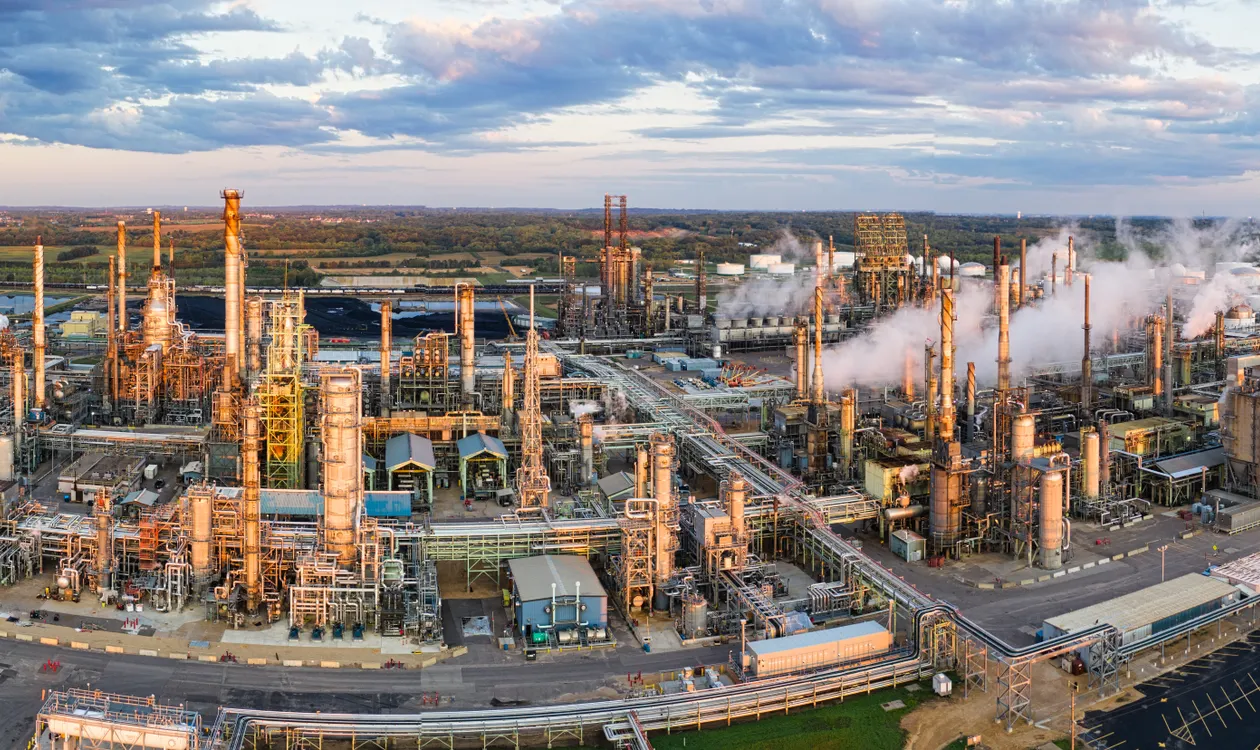
Trump announced the arrangement on Friday, October 9. Under its terms, Russia would immediately supply more than 300,000 tons of diesel to U.S. and global markets, with 500,000 tons in November and another 1 million tons later, per reporting compiled by LiveMint and market coverage. Putin confirmed Moscow's readiness to supply oil and petroleum products, and the U.S. Treasury issued a temporary general license allowing the sale, delivery, and import of diesel from Russian sources through April 7, 2027. The White House has promoted the deal as a way to ease fuel prices.
Energy analysts have questioned whether the additional diesel would meaningfully lower prices — and critics across the aisle say the revenue would flow straight to Moscow as its war against Ukraine continues. Our newsroom covered the Trump-Putin diesel announcement here, and the Zelenskyy fallout from the Tennessee rally.
The bipartisan objections were immediate. Rep. Gabe Amo (D-R.I.), who sits on the House Foreign Affairs Committee, wrote on social media that Trump signed a sanctions law weeks ago and is now "paying Putin for oil to deal with the high gas prices caused by his choice of war with Iran," LiveMint reported. "That's not punishing Putin, that's profit," Amo wrote. "Make it make sense."
Sen. Angus King (I-Maine) called the agreement "a fraud," noting — citing administration figures — that the 300,000 tons for October and 500,000 tons for November amount to roughly a day's diesel consumption in the United States. "This so-called deal with Russia will do little for America and much for Vladimir Putin," King said, per the Geneva Times.
The Republican revolt isn't small
Fitzpatrick isn't operating alone. Bacon told Axios he had "already agreed" to be an original cosponsor and sign the petition, writing on social media that "Congress must make a stand," per LiveMint. Bacon also told RFE/RL the diesel decision "surely looks bad," adding that "the president has always had a moral blindness when it comes to Putin" and that "propping up Russia's war economy is terrible," per the Geneva Times.
Rep. Michael McCaul (R-Texas), the former House Foreign Affairs Committee chairman, warned that lifting sanctions could "fund the Kremlin's war machine — emboldening more violence and destruction," the Geneva Times reported. Sen. Lisa Murkowski (R-Alaska) urged Trump to instead use the tariff authorities in the sanctions law he signed in September — the Lindsey O. Graham Sanctioning Russia and Iran Act — which authorizes tariffs of up to 100 percent on major purchasers of Russian energy. "We can discuss Russia's return to global energy markets once the war is over, but in the meantime, we need to cut off everything fueling it," Murkowski wrote on social media.
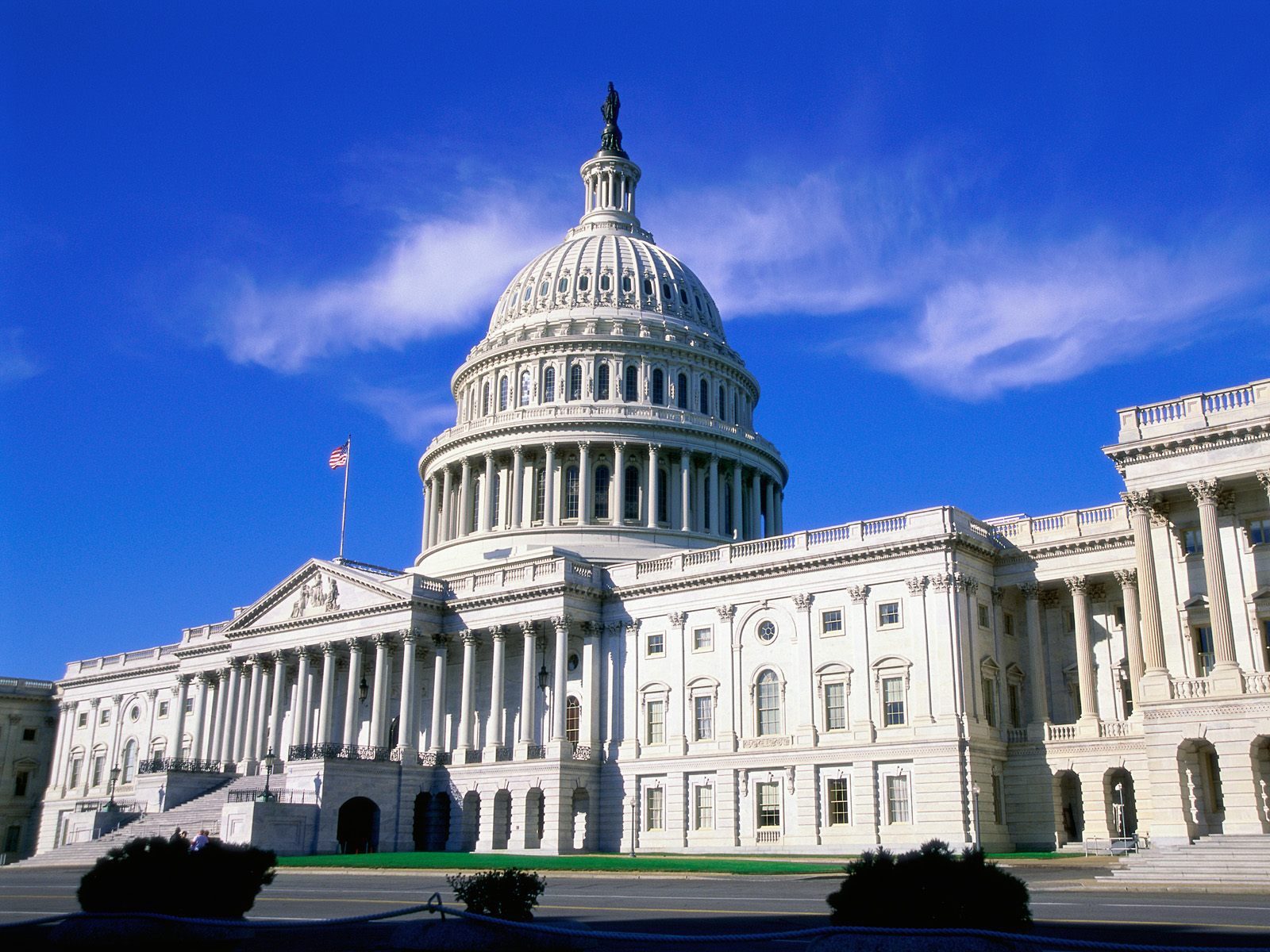
Fitzpatrick invoked the Reagan doctrine the bill is named for in his broader statement: "Russia illegally invaded Ukraine. Russia is squarely to blame," he wrote, adding that Congress and the American people stood behind Ukrainian President Volodymyr Zelenskyy "until Ukrainian victory is achieved," per the Geneva Times. That came as Trump on October 10 renewed his attacks on Zelenskyy, telling reporters Ukraine should hold an election and that "he could have settled this thing many times" — hours after Russian strikes killed at least 20 people in Zaporizhzhya, the Geneva Times reported.
What "peace through strength" means here
The bill's name reaches back to the Cold War doctrine that shaped Reagan's Soviet policy: the idea that stability is best maintained through overwhelming military power, deterrence, and preparedness rather than appeasement — a philosophy that underpinned the 1980s defense buildup, the Strategic Defense Initiative ("Star Wars"), and ultimately the 1987 INF Treaty. Slapping that label on an oil-import ban is a message in itself: this is the "old school" Republican position, and the bill's branding says the party's Reagan wing isn't going along with the diesel deal.
There's also existing law in play. In 2022, Congress passed legislation banning imports of Russian oil that passed the Senate 100-0 and the House 413-9, per the Geneva Times — with an exception for presidential waivers in the national interest. Former Rep. Tom Malinowski argued Democratic leaders could invoke the law's expedited procedures to challenge the administration's decision via a Joint Resolution of Disapproval. Whether the 2022 law covers this arrangement remains a live legal question as Treasury's temporary authorization faces scrutiny.
Can it actually pass?
Fitzpatrick's confidence is notable — "it will pass overwhelmingly" is a strong claim. But the calendar is brutal. Time is short: the current Congress ends in January, and the House is not scheduled to vote again until after the November 3 midterm elections, LiveMint noted. Any legislation that passes the House would still need Senate approval and could face a presidential veto. The earlier discharge effort by the same duo — Ukraine aid and Russia sanctions — passed the House and died in the Senate, which is not exactly a comforting precedent.
Still, the political signal is the point. This is a Republican congressman invoking Ronald Reagan's name to block a deal cut by a Republican president, with a retiring colleague from Nebraska as his first cosponsor and members like McCaul and Murkowski piling on. The administration's broader Ukraine posture is already under scrutiny, and Russian strikes on Ukrainian cities continue. A discharge petition is the House's loudest procedural megaphone — and Fitzpatrick just turned it on.
Sources · 2 sources
- LiveMint — Trump opens door to Russian oil. A Reagan-inspired bill could shut it (Oct 11, 2026)
- Geneva Times — House Republicans Move To Block Trump's Russia Diesel Deal (Oct 11, 2026)
More from the newsroom: the Trump-Putin diesel announcement · the administration's ceasefire claim · Russia's overnight strikes on Ukraine





