
SATURDAY, OCTOBER 10, 2026
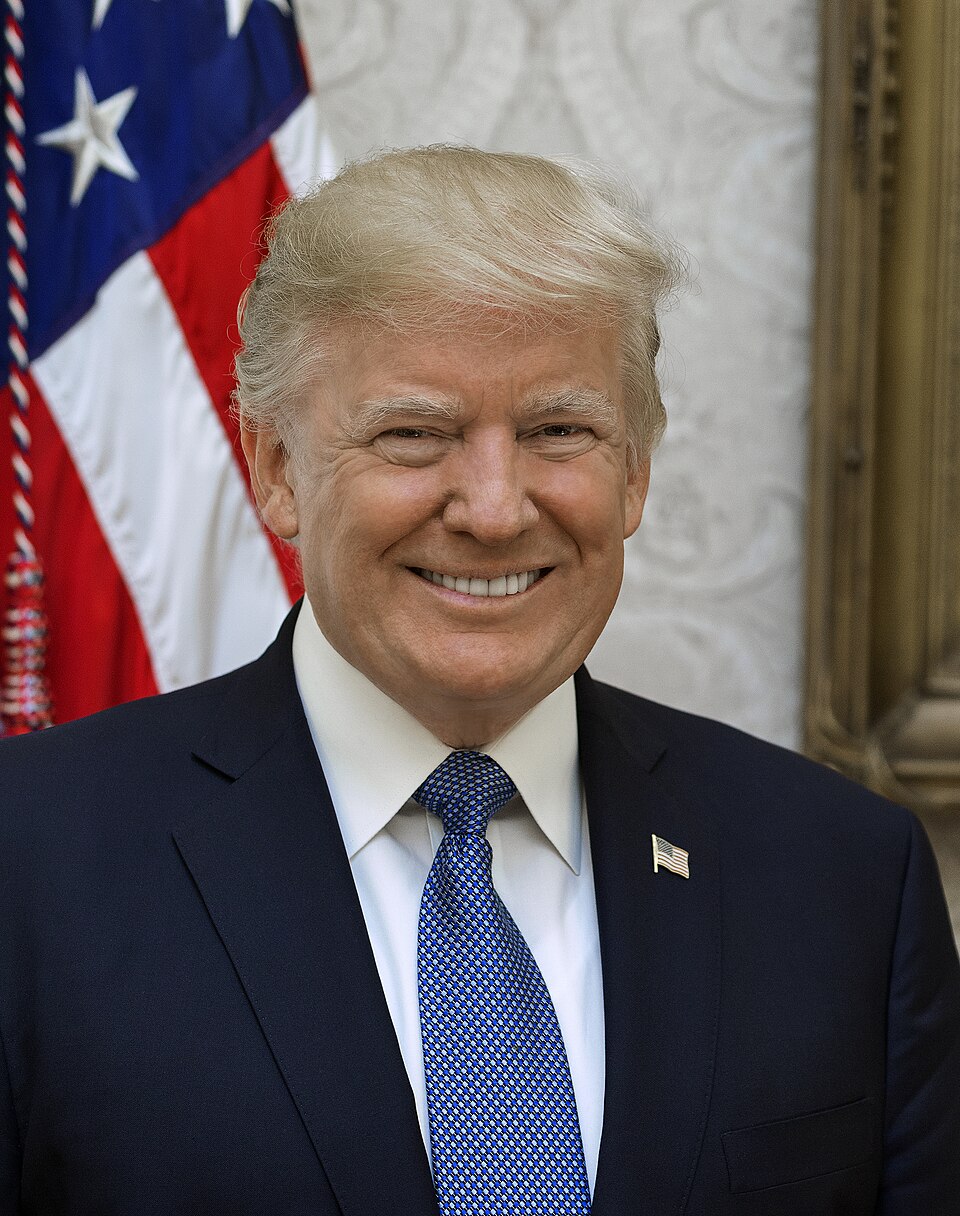
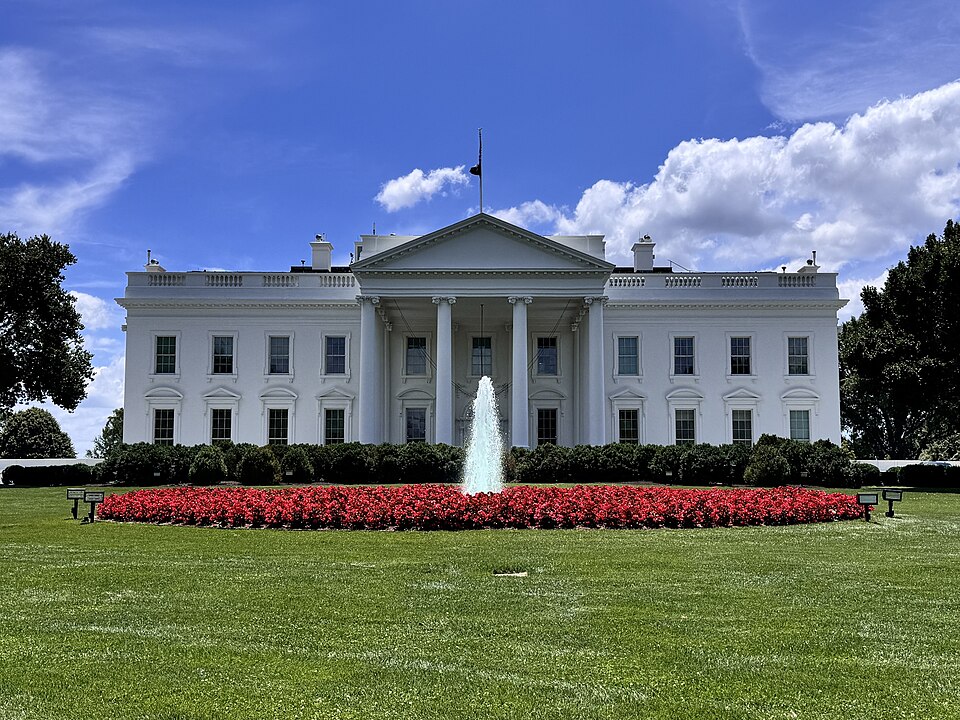
President Donald Trump ripped into Volodymyr Zelensky on Saturday, telling reporters outside the White House that it's "time for Ukraine to get a new president" — just hours after his administration announced a deal to have Russia supply 300,000 metric tons of diesel to the United States and global energy markets. It was the sharpest public escalation yet in a relationship that has been visibly deteriorating for weeks, and it came packaged with a message Trump clearly wanted voters in farm country to hear: he's doing something about diesel prices, and he's blaming Kyiv for making the problem worse.
The remarks landed as Trump was leaving the White House on Saturday afternoon, en route to his rally in Clarksville, Tennessee — the latest stop on his midterm blitz through red-leaning states. (We've got the full Clarksville rally story if you want the scene on the ground.) But the diesel remarks were the real news of the day, and they tied together three threads that have been running all week: soaring fuel prices, the Russia diesel arrangement, and Trump's mounting public frustration with Ukraine's campaign against Russian energy infrastructure.
What Trump actually said
Trump described the diesel deal as a direct response to Zelensky's continued targeting of Russian oil refineries — attacks Trump says he personally asked the Ukrainian president to stop. "I said to him: 'do what you want, don't hit refineries,'" Trump told reporters, according to the New York Post. Then, when the strikes continued: "He better damn well stop."
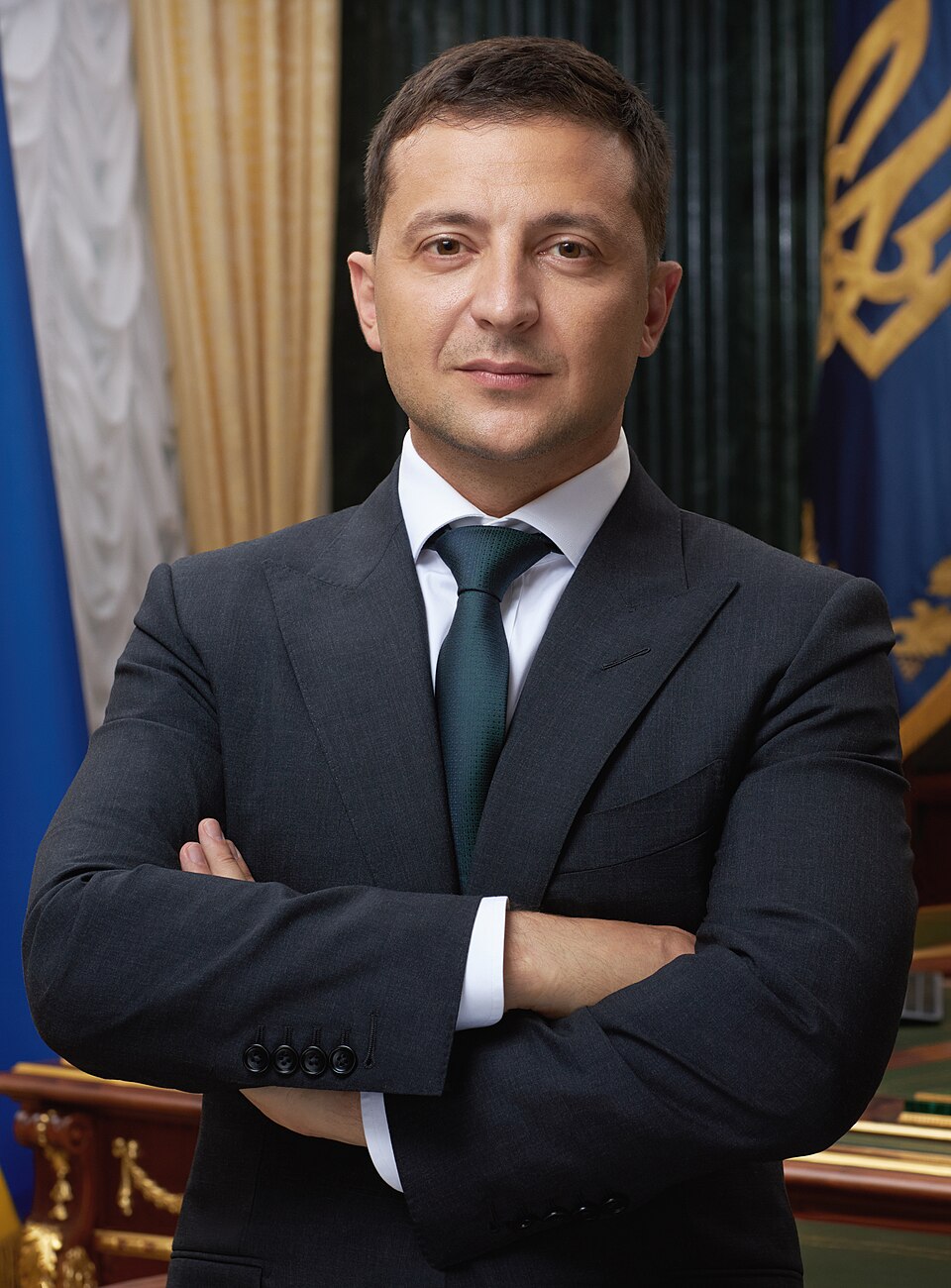
The president went further, hammering Zelensky for failing to bring an end to the war, which began with Russia's full-scale invasion in February 2022. "Zelensky could have settled this war many times — many many times. And he chooses not to," Trump said, per the Post. "You know what I suggest? I suggest they get a new leader who could make a deal... I think it's time for Ukraine to get a new president." He also accused Zelensky of wanting to "make problems for the world" by continuing the refinery strikes — a charge USA Today characterized as baseless, noting that Ukraine has defended the attacks as hitting the revenue Moscow uses to finance the war.
Here's the part worth sitting with. A sitting US president publicly calling for a wartime ally's voters to replace their president is not normal diplomatic language — it's the kind of thing that used to happen behind closed doors, if at all. Whether you think it's long overdue pressure or a gift to Moscow depends entirely on where you already stand, but nobody should pretend it's business as usual.
The diesel deal driving it all
The arrangement at the center of the fight was announced Friday: Russia would immediately release more than 300,000 metric tons of diesel to US and global markets, followed by 500,000 tonnes in November and another one million tonnes after that, WE News English reported. Separately, the US Treasury issued a temporary license allowing Russian diesel fuel to reach the global market — effectively circumventing US sanctions — with that license running until April 7, 2027, according to Meduza's reporting.
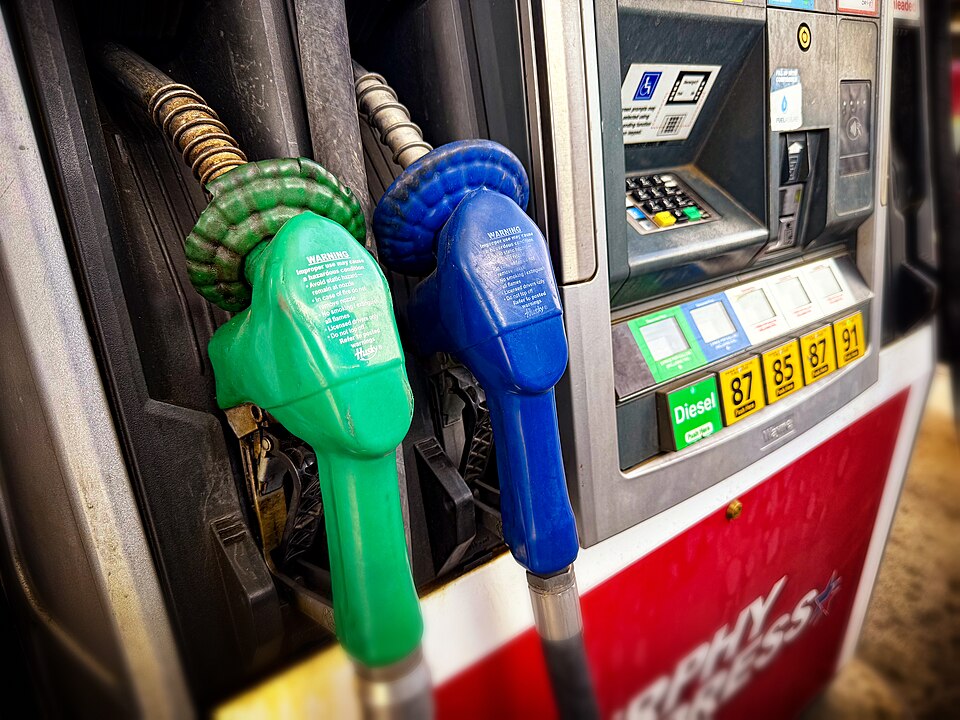
Why now? The price at the pump. Average US diesel prices have topped $6 per gallon, the Post reported, hammering farmers and consumers alike. Trump's team clearly sees the midterms on the horizon: the Post notes the president has been barnstorming red-leaning states where Republicans face tight races in agricultural states, including Iowa and Kansas — races party operatives attribute in part to high fuel costs. Bringing Russian diesel to market is a fast, visible way to try to move those prices down before November. (Nevada's ballot is packed this cycle too — our Question 7 explainer breaks down one of the big ones.)
The problem is that the same move is exactly what US sanctions were designed to prevent: Russia selling petroleum products to fund its war machine. That's the tension the entire story hinges on, and both sides are completely open about it. Trump's position is that domestic fuel prices and the war's endgame come first. His critics' position is that he's handing Moscow money and leverage. You can't really split the difference on this one — either the sanction exists or it doesn't.
Zelensky pushes back
The Ukrainian president didn't wait long to answer. Zelensky criticized Trump's decision to import Russian diesel as "weak," arguing it would only embolden Putin on the battlefield, USA Today reported. On social media, Zelensky wrote that "any easing of sanctions against Russia without a clear and lasting de-escalation agreement with Russia is an obvious weakness" — language that reads as aimed directly at the White House.
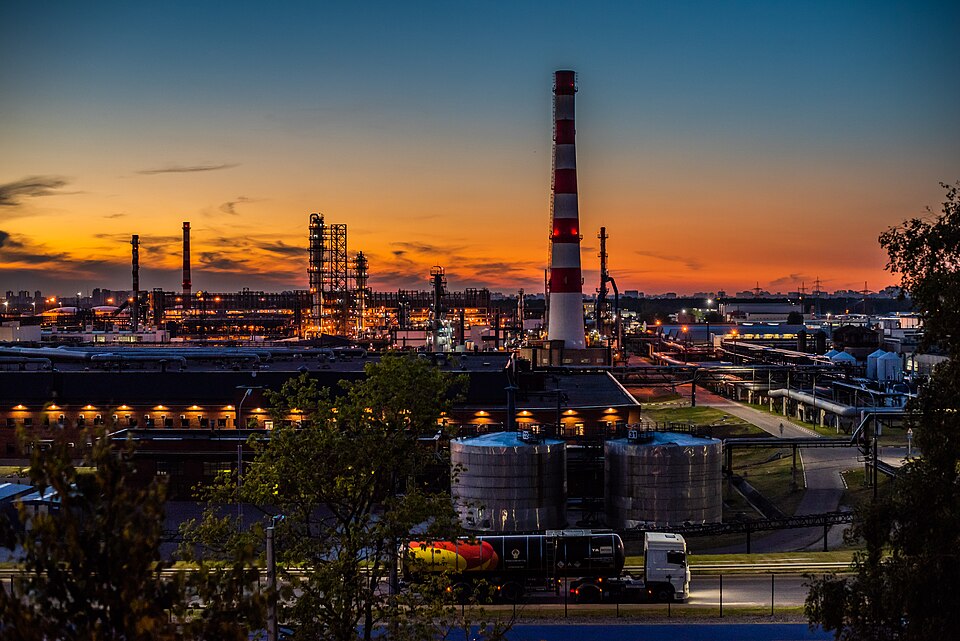
Zelensky's core argument on the strikes themselves is straightforward: Russian oil refineries generate the money Moscow uses to finance its war against Ukraine, so hitting them is hitting the war machine. Trump's counterargument is that the strikes are driving up global fuel prices — "a world problem," as he put it — and undercutting his efforts to bring diesel costs down. Both things can be true at once, which is precisely why this is a real disagreement and not just posturing.
Some Republicans aren't thrilled either
Notably, the diesel deal hasn't just drawn fire from Kyiv. Some Republicans have criticized the arrangement, which effectively routes around the economic pressure meant to persuade Putin to end the war, the Post reported. That's a meaningful signal: the sanctions-on-Russia coalition has been one of the more durable bipartisan fixtures in Washington, and an administration deal that explicitly licenses Russian fuel sales through 2027 is the kind of thing that tests how much of that consensus survives contact with $6 diesel.
The midterms math is the whole ballgame here. Trump is headed to Tennessee precisely because the map runs through places where fuel prices decide elections — agricultural states where diesel isn't just a line item, it's the cost of harvest season. The bet the administration is making is that voters will reward cheaper fuel more than they'll punish a sanctions workaround. Twenty-four days out from the election, that's the wager.
What happens next is genuinely uncertain. The diesel shipments are now in motion. The strikes on Russian refineries haven't stopped. And a US president has now publicly suggested a wartime ally should replace its leader — a statement that will be parsed in Kyiv, Moscow, and every European capital for days. For the deeper fallout, we'll keep following it in our news section as the story develops.





