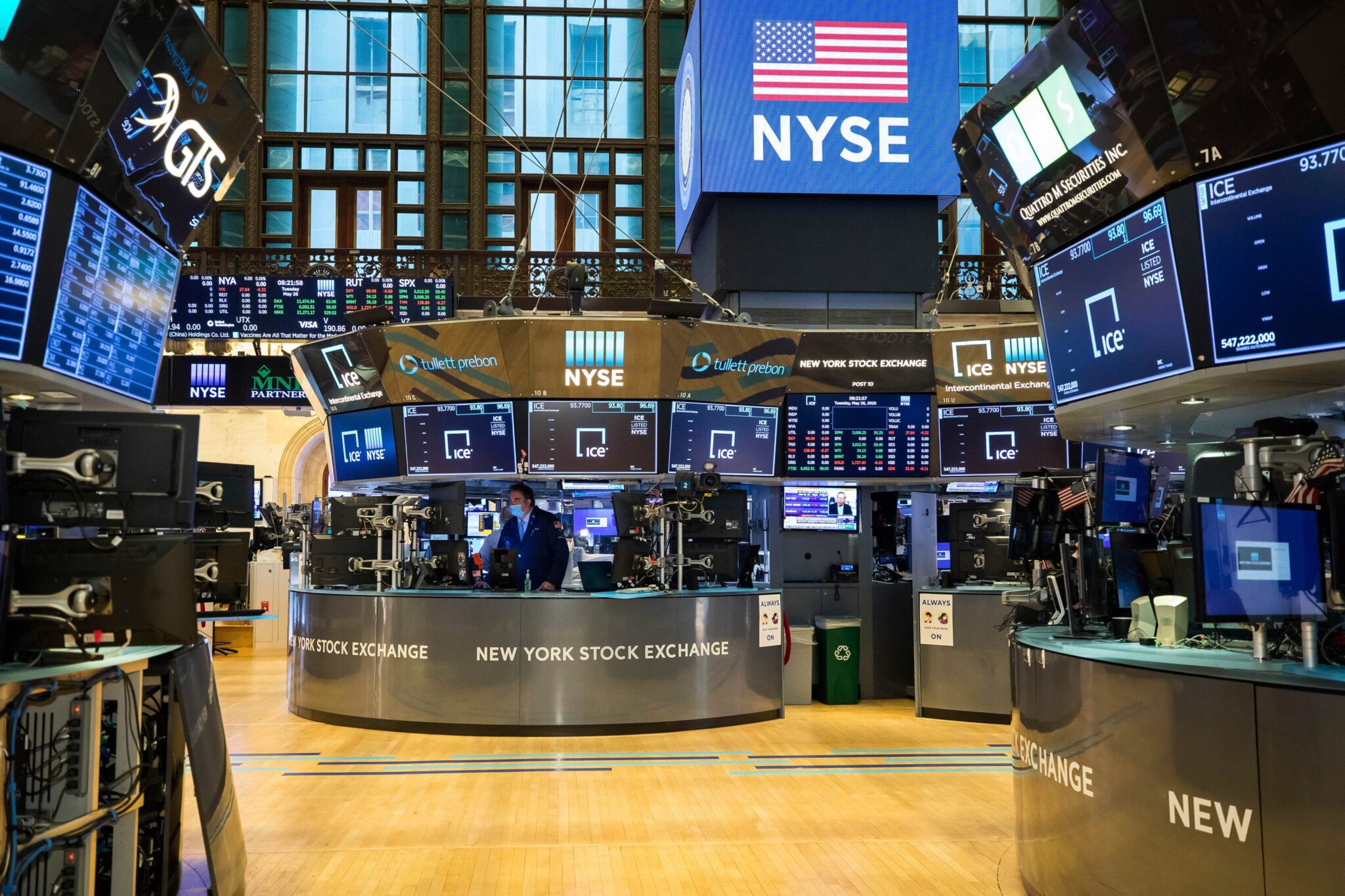
THURSDAY, OCTOBER 8, 2026 — Wall Street is bracing for a rough Thursday: oil surges, yields spike, futures sink. The week that started with record highs is ending with gravity doing its work — two forces that were supposed to fade this year, energy prices and interest rates, roared back at the same time. West Texas Intermediate crude jumped about 4.9% toward $92.60 a barrel and Brent roughly 4.9% toward $105.10, while the 10-year Treasury yield held near 5.35%, its highest level since 2002. The message from the premarket was blunt: the market finally has to deal with inflation again, and it doesn’t like what it sees.
Dow futures fell roughly 0.7–1%, about 350–400 points, while S&P 500 futures dropped 0.4–0.6% and Nasdaq 100 futures slid 0.6–0.8% in early trading, according to live market coverage. The softness follows Wednesday’s retreat, when the S&P 500 and Nasdaq pulled back from the record closes they set Tuesday and the Dow snapped a four-day winning streak. One day of record highs, two days of the market remembering what those records cost.
Oil: three shocks at once
The biggest shock to crude was a report that the White House has asked the Pentagon to draw up strike options against Iran that could be executed before the midterm elections. Bloomberg, citing The Atlantic, reported the request came from two administration officials and runs counter to the widespread assumption that President Trump would hold off on escalating the conflict with Tehran before next month’s vote. The size and targets of any potential strikes are still being debated, according to the report, and a limited operation could be followed by more substantial action after the midterms.
The report landed on top of two more supply scares. Attacks on shipping in the Gulf and the Strait of Hormuz kept climbing — in the latest, a tanker north of Qatar was struck by multiple projectiles, causing casualties, the United Kingdom Maritime Trade Operations agency said Wednesday. And Hurricane Isaias forced producers in the Gulf of Mexico to shut in more than 510,000 barrels a day of crude output, about a quarter of supply in the region. Add in President Trump’s latest Iran comments — telling reporters he no longer wants to make a deal with Iran to end the war, and that the Pentagon is preparing for more potential military strikes — and crude had every excuse to run.
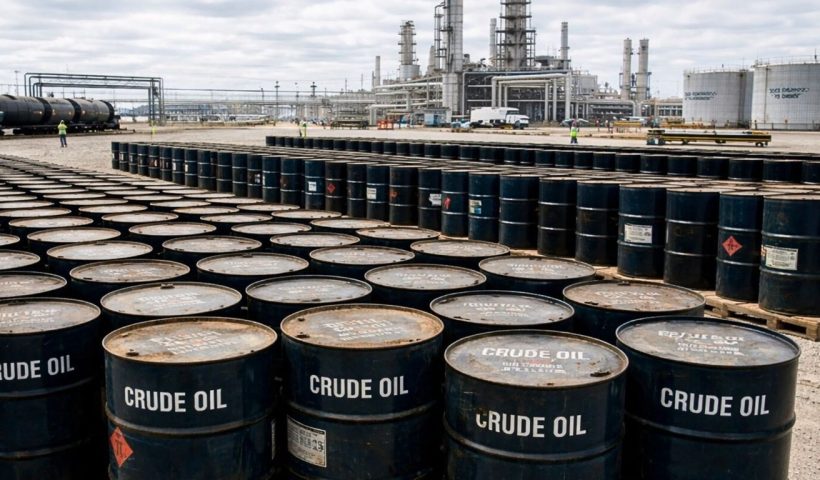
For context, this is the same US-Iran conflict that has drained global stockpiles all year. The U.S. Energy Information Administration raised its oil price forecast again on Tuesday: Brent is now expected to average about $98 a barrel in 2026, with the fourth quarter averaging roughly $105 — and U.S. retail diesel, which hit record highs last month, is expected to stay above $6 a gallon in October. The agency’s blunt read: the pace of energy shipments from the Middle East has increased in recent weeks, but there has also been a surge in attacks on vessels. More oil is flowing, and more of it is in danger.
Bonds: the 5.35% problem
Higher energy costs feed straight into inflation fears, and the bond market did the math. The 10-year Treasury yield held around 5.33–5.35% in Thursday’s premarket — early Wednesday it had neared 5.37%, its highest level in 24 years — and the 30-year yield touched its own 24-year high. That’s the number that sets mortgage rates, car loans and the cost of money for every company on Earth, so when it moves, everything moves.
The Fed isn’t riding to the rescue. Minutes from the central bank’s September meeting, released Wednesday, showed “most” officials believed another rate increase would likely be appropriate by the end of the year. Then Fed Governor Christopher Waller said Thursday that additional rate hikes would likely be needed to lower inflation to the Fed’s 2% target, though there was “flexibility” about the pace. Translation: the pause some investors were hoping for isn’t coming, and the next move is more likely up than down. Traders will be watching Thursday’s jobless claims numbers and a slate of Fed speeches for any sign the central bank is softening — but nothing in the last 24 hours suggests it is.
Chips: a record nobody wanted to celebrate
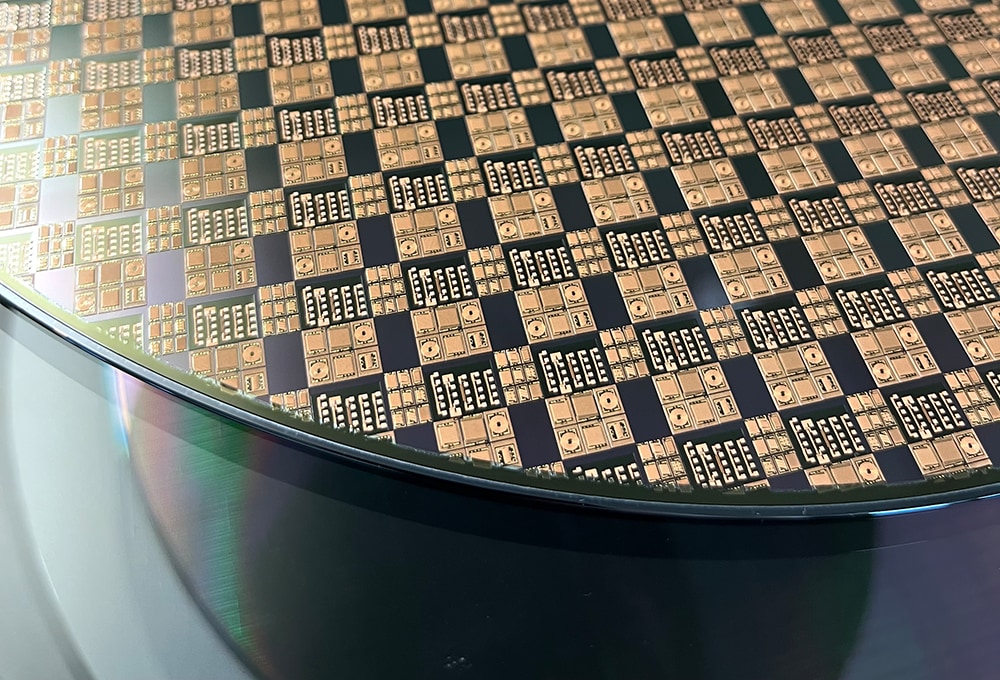
Even the AI trade — the engine of this year’s entire rally — looked shaky. Samsung forecast a third-quarter operating profit of 107.4 trillion won, about $80.2 billion, up roughly 783% from a year earlier. That would make it the first tech company in history to top 100 trillion won in quarterly operating profit, driven by a global memory-chip shortage that has sent DRAM prices soaring as AI data centers devour every chip they can find.
And the stock fell anyway. Samsung shares slipped about 2.5% in Seoul and sit more than 25% below their June peak, as investors looked past the record to the question that now hangs over the whole AI trade: how long can this last? The concern is that a slowdown in AI spending, Chinese competition and a stronger Korean won could erode the margins everyone is currently enjoying. The skepticism spread: the Roundhill Memory ETF dropped more than 2%, Micron fell about 1.5%, and Nvidia dipped in premarket trading.
There was also a darker read on AI spending. The Wall Street Journal reported that Broadcom is lining up $50 billion of financing for OpenAI, with Oracle also seeking an unspecified sum — news that spurred fears that massive debt issuance by tech companies could intensify the competition for capital. When the AI buildout starts looking like a credit story instead of a growth story, valuations get uncomfortable fast.
Earnings and the rest of the tape
PepsiCo was one of the morning’s bright spots, and even it came with a warning. The beverage giant topped earnings and sales expectations for the third quarter, sending shares up nearly 2% in premarket trading — but it cut its full-year profit forecast as its North American business continues to underperform. Applied Digital jumped after the data center operator posted a massive revenue increase, which investors read as another bullish signal for AI infrastructure demand. Within the Dow, Chevron rose about 2% on the oil spike while Caterpillar, Merck and Nvidia each lost roughly 1%.
Crypto took the hit with risk assets. Bitcoin broke below $83,000, falling about 1.6% to under $82,800 — well off the $87,000 highs hit earlier this week — and roughly $550 million in leveraged crypto bets were liquidated on Wednesday, mostly from traders wagering on higher prices. Gold, the traditional fear trade, held around $4,136 an ounce. One White House note worth watching: President Trump is hosting a tech summit Thursday to announce $1 billion-plus in industry commitments for the Genesis Mission, and will award the National Medal of Science to Elon Musk, Nvidia’s Jensen Huang, AMD’s Lisa Su and Google co-founder Sergey Brin.
What it means in plain English
Strip out the tickers and the story is simple. Two of the economy’s biggest costs — energy and money — are getting more expensive at the same time, which is exactly what inflation looks like. The Fed is openly talking about raising rates again. Oil is at levels that ripple through every gas tank, shipping bill and grocery price. And the market’s favorite story, AI, is starting to be priced for a future that investors aren’t sure actually arrives.
None of this means Thursday has to end in a rout — earnings season kicks off in earnest next week, and the AI bid has a habit of reappearing the moment sentiment softens. But the records set Tuesday now look like they were priced for a world that no longer exists. The world this morning has $105 oil, a 5.35% 10-year, and a White House weighing strikes in Iran before the midterms. The market is finally paying attention.
Related: The Atlantic’s reporting on Iran strike options, Tuesday’s record run, and Monday’s market movers.
Sources
- Investopedia, "5 Things to Know Before the Stock Market Opens on Thursday" and live "Stock Market Today" coverage, Oct 8 2026
- Reuters, "Wall St futures slide as rising oil, yields dampen mood" and "Oil rises as Middle East supply concerns persist amid shipping attacks," Oct 8 2026
- Barron’s, "Dow Futures Dive. The Market May Finally Be Waking Up to Scary Bond Yields," live coverage, Oct 8 2026
- Bloomberg (via Moneyweb), "Oil gains on report Trump may order Iran strikes before midterms," Oct 8 2026
- Investor’s Business Daily, "Stock Market Today: Dow Slides 350 Points After Trump Remarks" live coverage, Oct 8 2026
- Reuters, "US EIA hikes oil price forecasts again as Iran war drains global stockpile," Oct 6 2026
- MarketWatch, "Samsung just did something no tech company has ever done, but investors still aren’t satisfied," Oct 8 2026; Dow Jones Newswires via Morningstar, Oct 7 2026
- CoinDesk, "Bitcoin breaks below $83,000 as oil jumps on Iran strike-plan report," Oct 8 2026
- Stocktwits, "Why Are Nasdaq, Dow Futures Falling Premarket?" Oct 8 2026