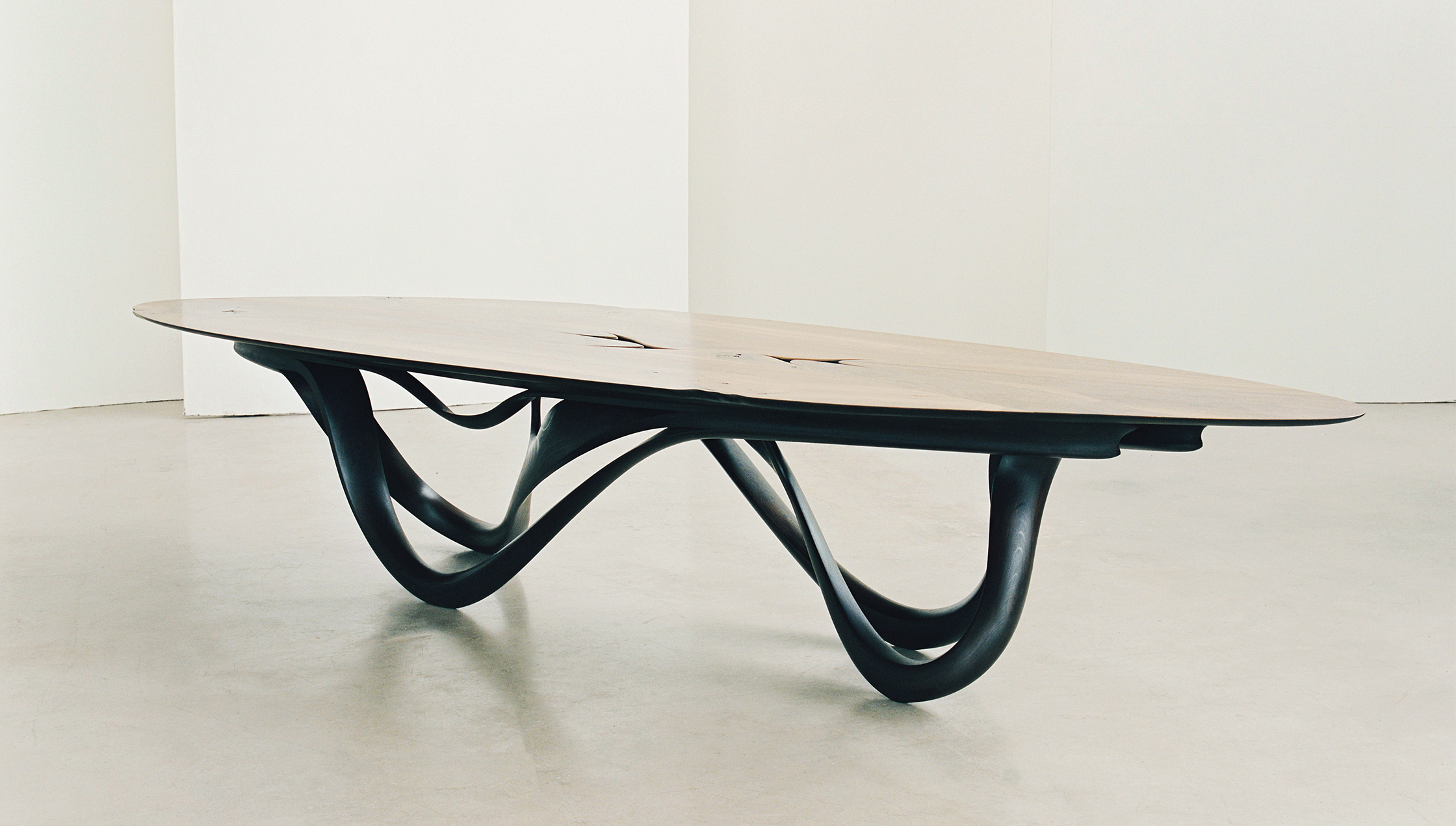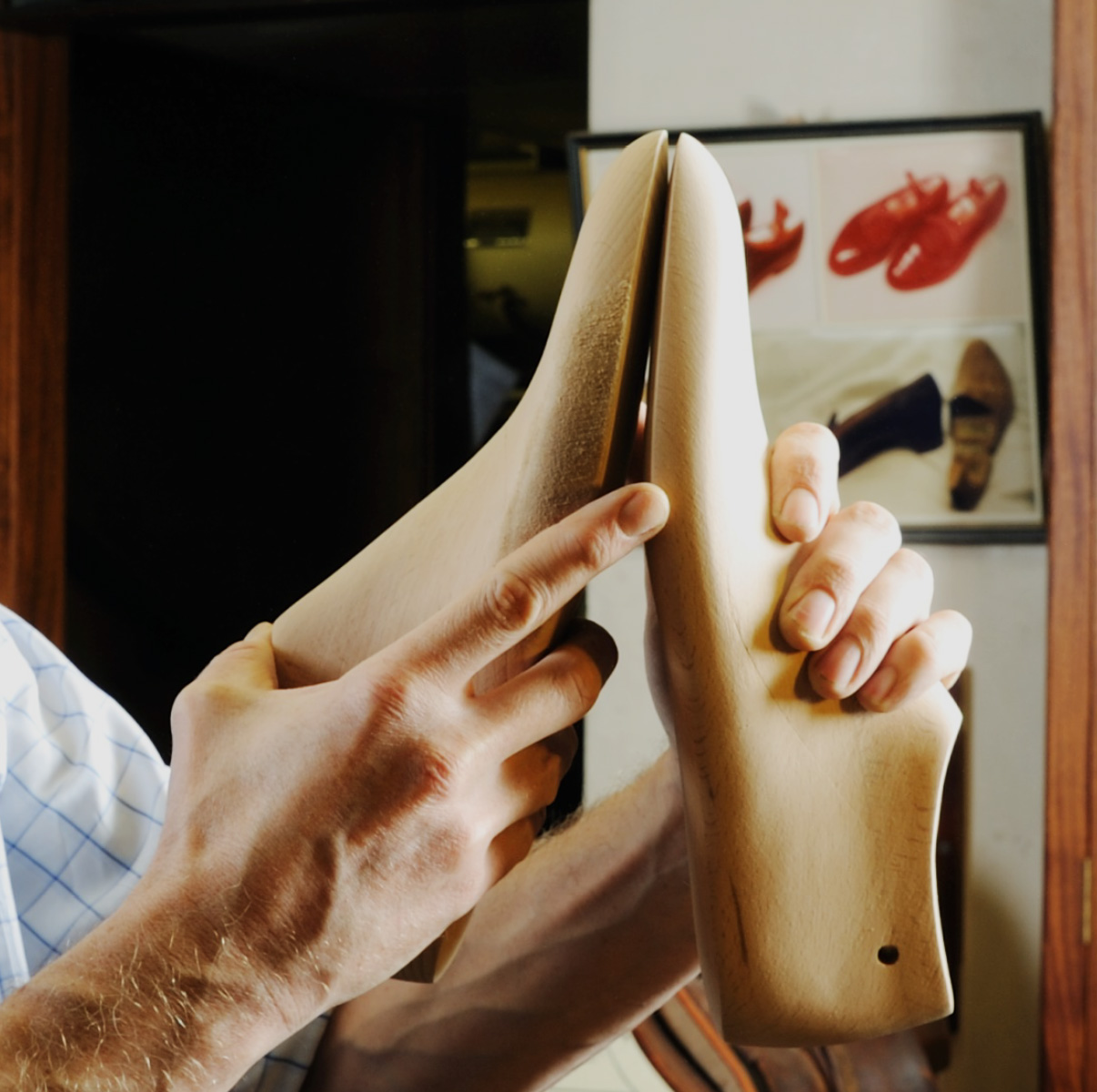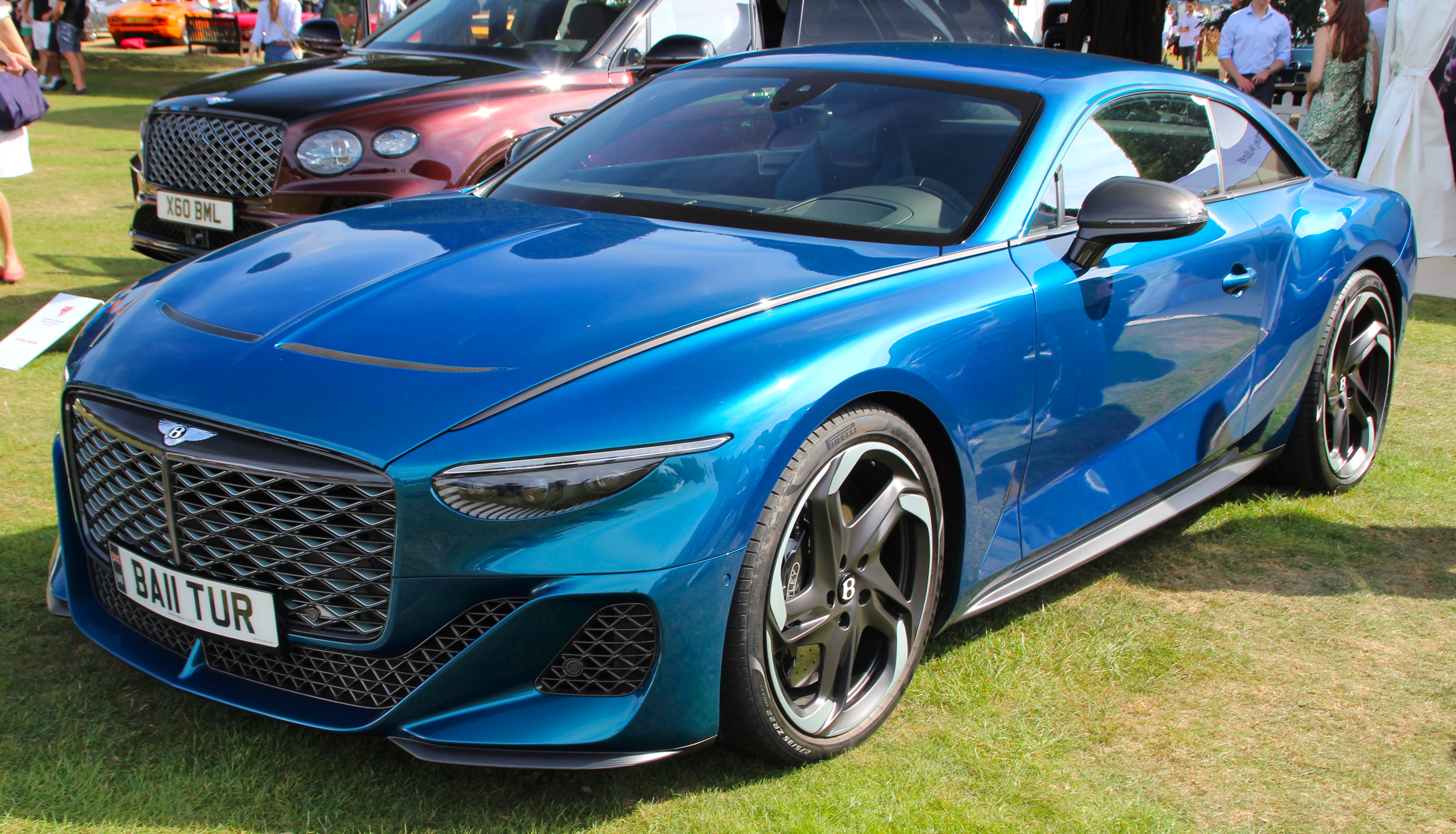

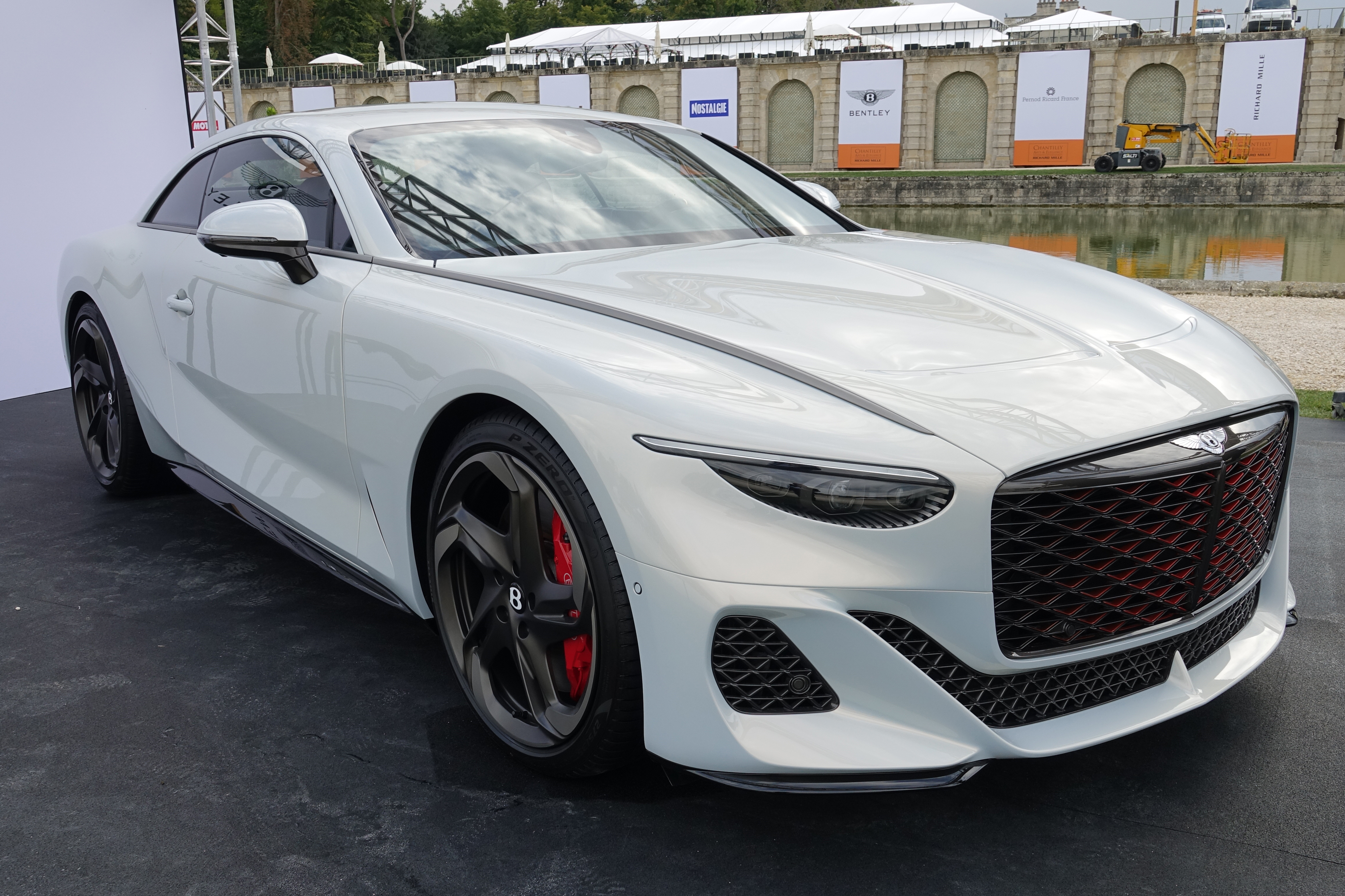
The Batur starts with a number Bentley published without flinching: £1.65 million per coupe, excluding taxes and options. Eighteen cars were planned, and all eighteen were already reserved when the car was unveiled at Monterey Car Week in August 2022. Nobody bought a Batur off a price list. Each customer sat down with Mulliner, Bentley's in-house coachbuilding division, and designed their own.
That co-creation is the actual product. Mulliner's designers work through a dedicated visualiser with each buyer, who can specify the colour and finish of practically every surface — paint runs from the standard palette into fully bespoke mixes and hand-painted graphics. The build that follows takes several months per car, by hand, in Mulliner's workshop inside Bentley's carbon-neutral factory at Crewe.
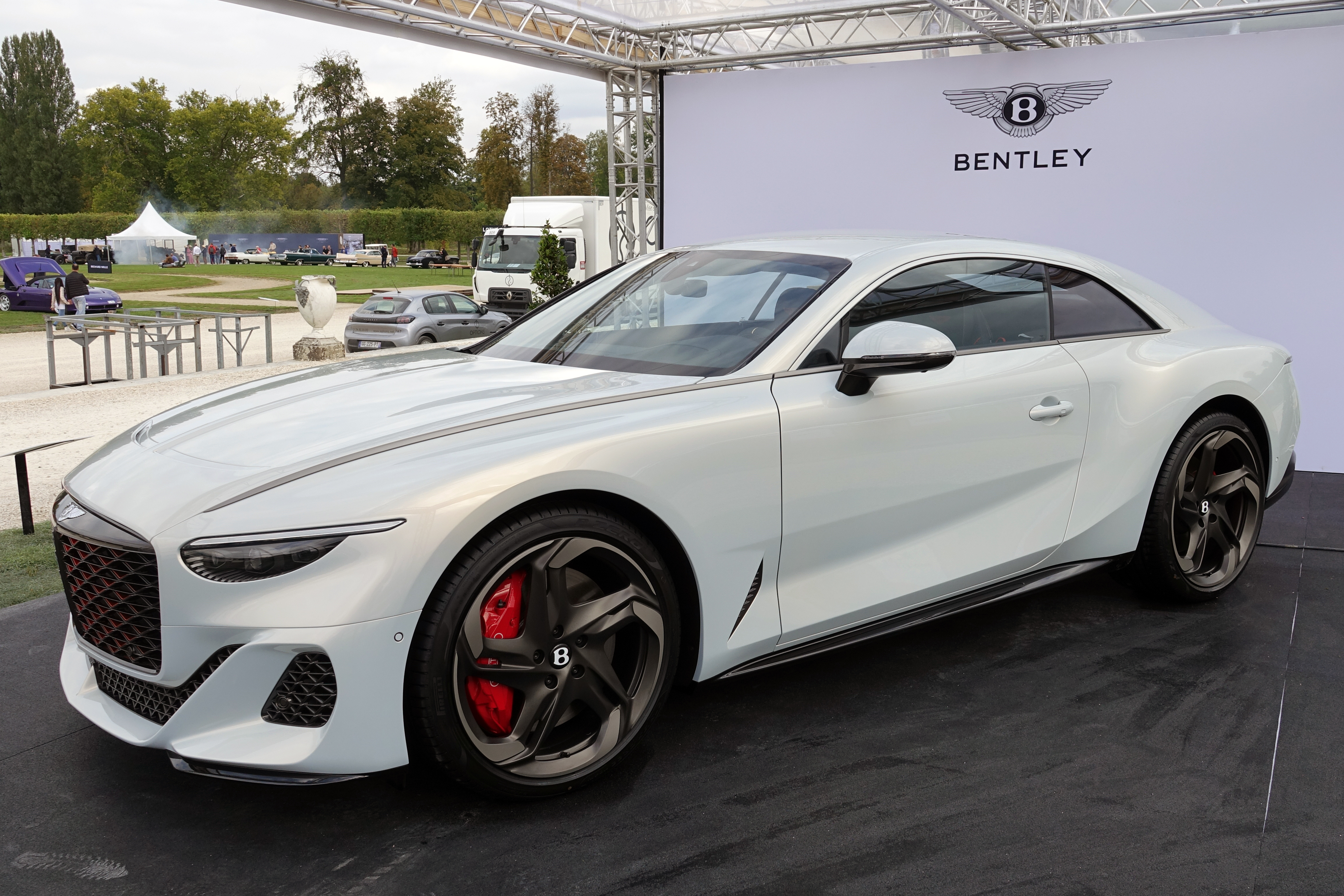
Under the long bonnet sits the reason the car exists. The Batur carries the most powerful version of Bentley's 6.0-litre twin-turbocharged W12 — 740 PS and 1,000 Nm of torque — an engine that is hand-assembled at Crewe and was, by 2022, in its final years as Bentley's Beyond100 plan moved the company toward full electrification. The Batur was built as the first part of the W12's farewell: new intake, upgraded turbochargers and intercoolers, and a titanium exhaust system whose finishers are 3D-printed in titanium, a first for the company.
The materials list is where the car gets interesting, because it pulls in two directions at once. On the functional side there is a new Natural Fibre composite — a flax-based alternative to carbon fibre, offered for the front splitter, side skirts and rear diffuser and as a cabin veneer — alongside low-CO2 leather and carpets woven from recycled yarn. On the expressive side, the brightwork can be titanium, and certain controls can be something else entirely.
Those controls are the detail the Batur will be remembered for. A customer could order the organ-stop ventilation controls, the drive-mode selector and the steering-wheel marker in solid 18-karat gold — not plated, not machined, but 3D-printed. Bentley developed the process with Cooksongold, the Birmingham goldsmiths, using gold sourced entirely from recycled jewellery, ground to a powder and built up by laser melting. Up to 210 grams of it can sit at the driver's fingertips, every part hallmarked in Birmingham's Jewellery Quarter. One customer, commissioning a car later named The Black Rose, took the idea furthest: rose gold throughout the cabin, in one of only three right-hand-drive Baturs.
None of that gold makes the car faster, and Bentley never pretended otherwise. It sits in the cabin next to a laser-etched rendering of the W12's sound wave across the fascia — decoration, openly. The honest split is what makes the Batur worth reading closely: titanium and flax fibre are engineering, gold and etching are expression, and Mulliner's job was to build a car where a customer could order either without one pretending to be the other.
Previously's Take
The Batur is a coachbuilder showing its working. The W12 gives the car its power, but the lasting story is a workshop that can print gold from old jewellery in the morning and lay up flax fibre in the afternoon — and charge for the judgement to know which material belongs where. Eighteen buyers paid for exactly that judgement.
The numbers
Sources · 4 sources
- Bentley Motors Media — "Batur Starts Design Revolution for Bentley," launch release, 21 August 2022
- Bentley Motors — The Black Rose Batur commission release, March 2025 (gold process, Cooksongold, 210 g figure)
- CAR magazine — Bentley Batur coverage (price and W12 figures corroborated)
- Metal AM / 3DPrint.com — additive-manufacturing trade coverage of the Batur gold programme
Photographs: Wikimedia Commons — MrWalkr, CC BY-SA 4.0 · Wikimedia Commons — Y.Leclercq, CC BY-SA 4.0 · Wikimedia Commons — Y.Leclercq, CC BY-SA 4.0