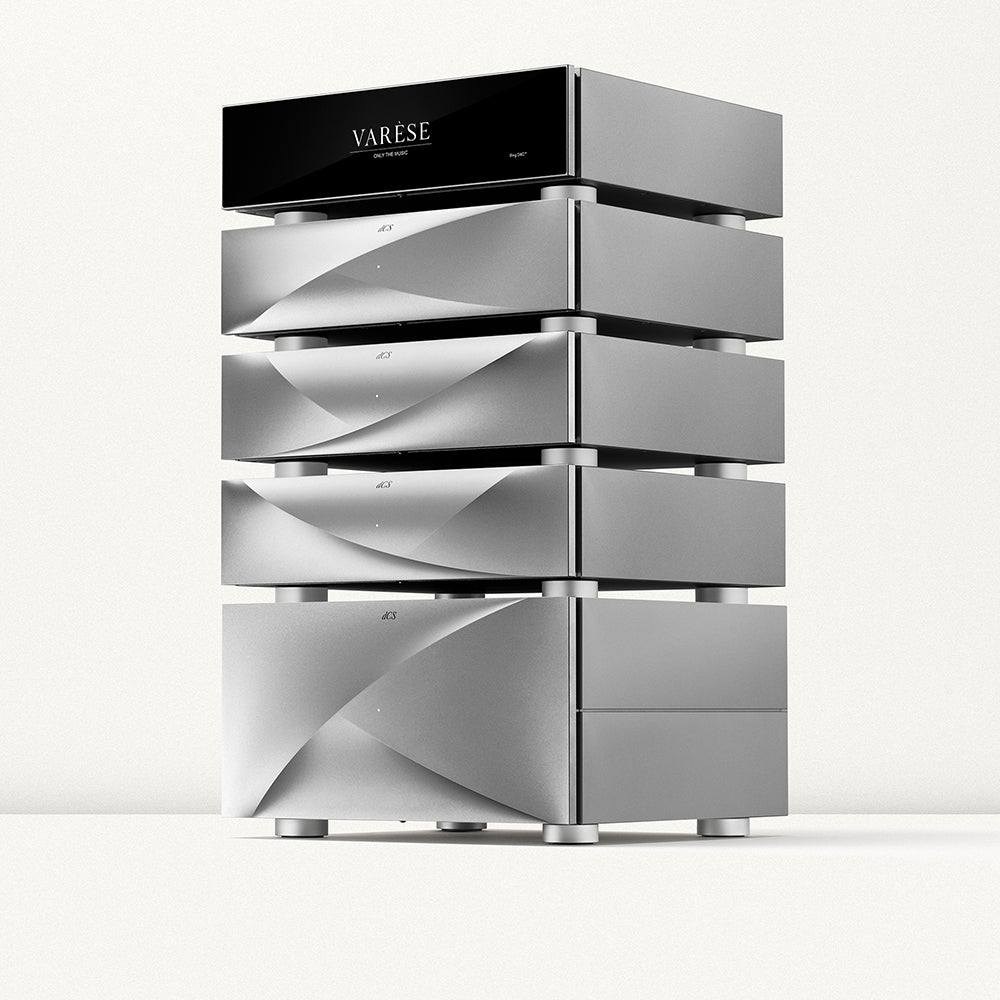

The puzzle with high-end digital audio is that the file is not the problem. A stream of ones and zeros can be copied perfectly forever. What dCS — Data Conversion Systems, of Cambridgeshire, England — has spent four decades arguing is that turning that file back into music, at the exact instant each sample is due, is where everything is won or lost. Varèse, named for the composer Edgard Varèse, is the company's largest attempt to control that moment completely.
It takes five boxes to do it. The Core is the system's centre: it takes in the music, handles streaming and the heavy processing, and sends the signal onward. The actual conversion happens in two Mono DACs, one dedicated to the left channel and one to the right, each built around a redesigned version of dCS's Ring DAC — now a Differential Ring DAC with twice as many current sources. A separate Master Clock governs timing for the whole system, and a User Interface with a full-colour touchscreen sits on top. An optional CD/SACD transport can join the stack as a sixth box.
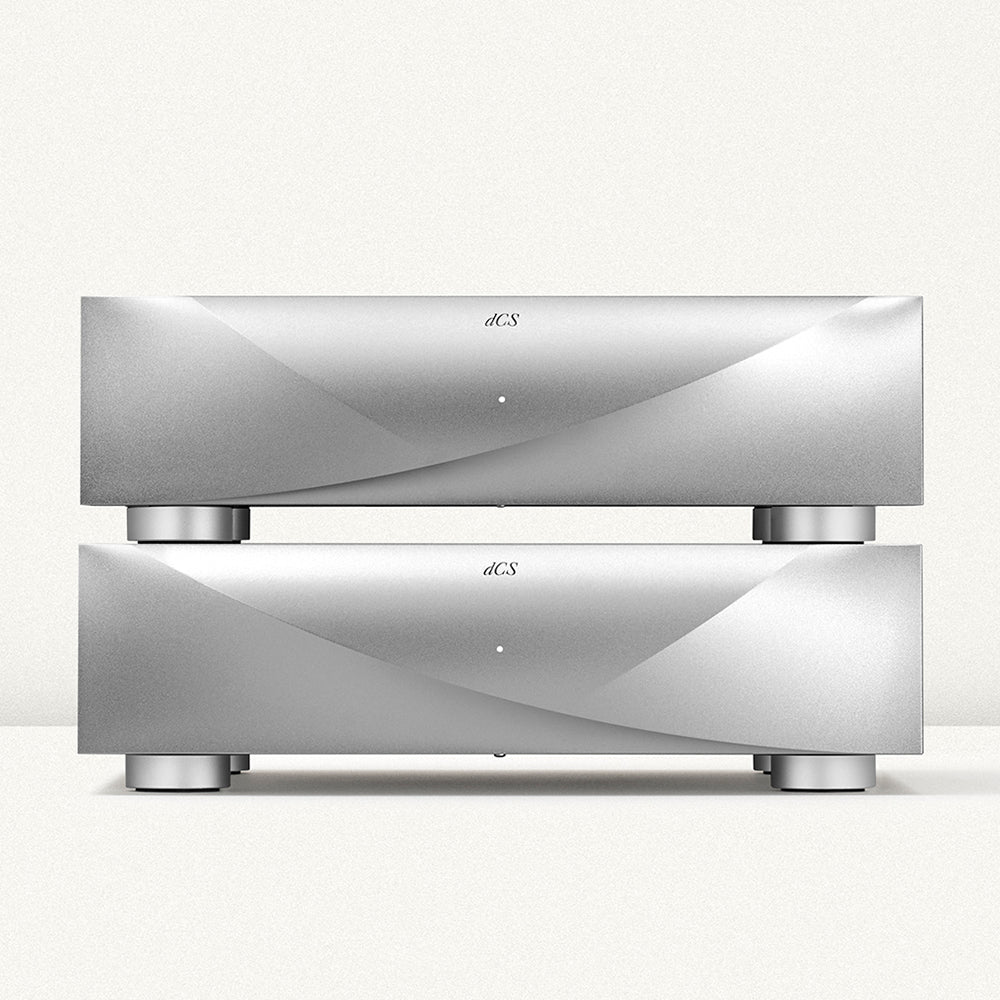
Two inventions hold the arrangement together. ACTUS is a single cable that carries audio, control and timing signals from the Core to each component, replacing the thick tangle of separate digital and clock cables a stack like this used to need. And because two separate DACs are useless if they drift apart by even a fraction of a sample, dCS patented a clocking protocol called Tomix to keep the left and right Mono DACs converting in complete synchronicity.
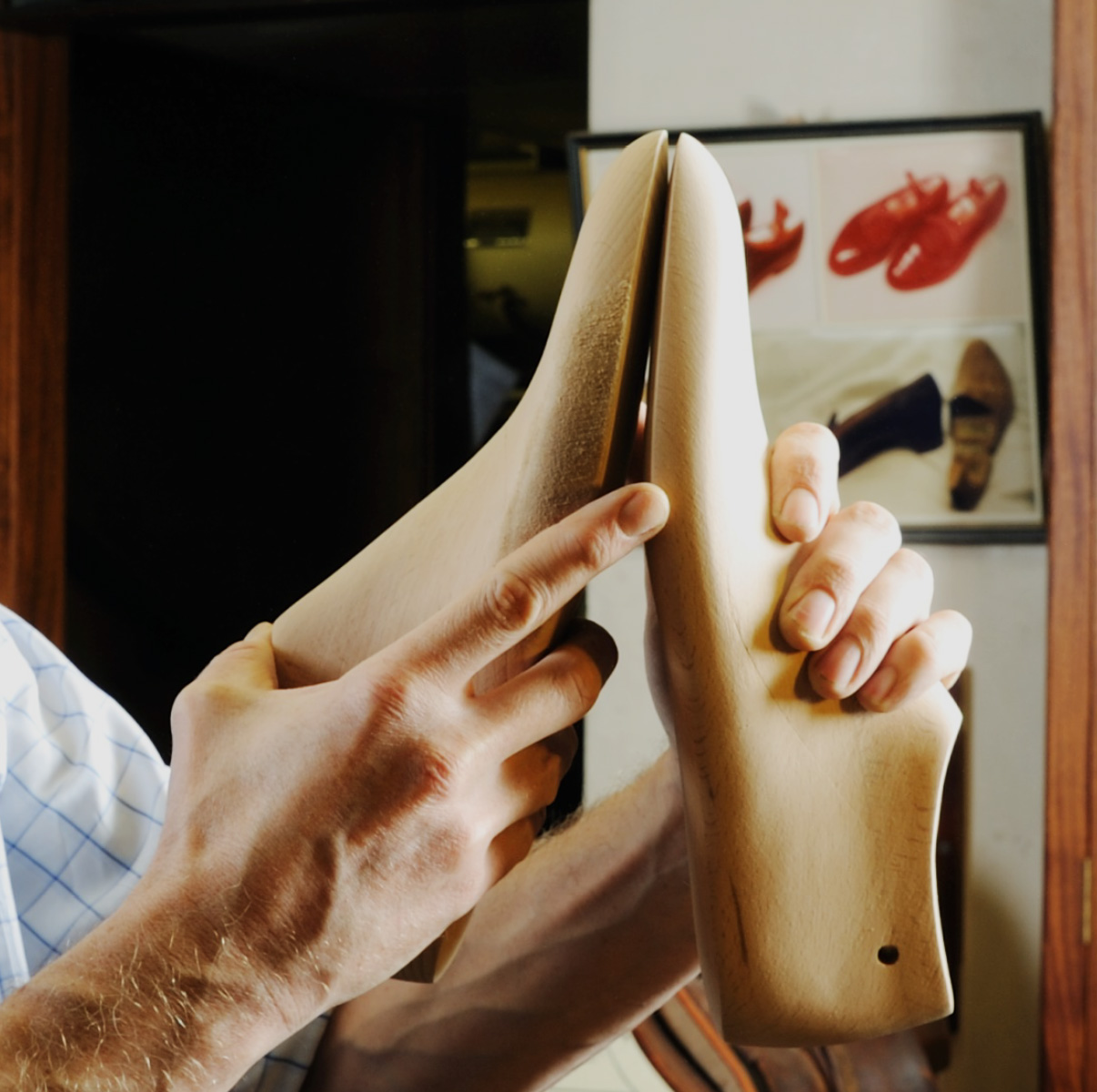
The build is where the company's own film earns its place. dCS took cameras to its manufacturing partners and its own headquarters to show how Varèse is made: aluminium fascias machined, sculpted and anodised; the circuit boards for the Mono DACs and Cores populated, printed and scanned by machines working at speed; then Cores and Mono DACs hand-built and tested by the production team in Cambridgeshire.
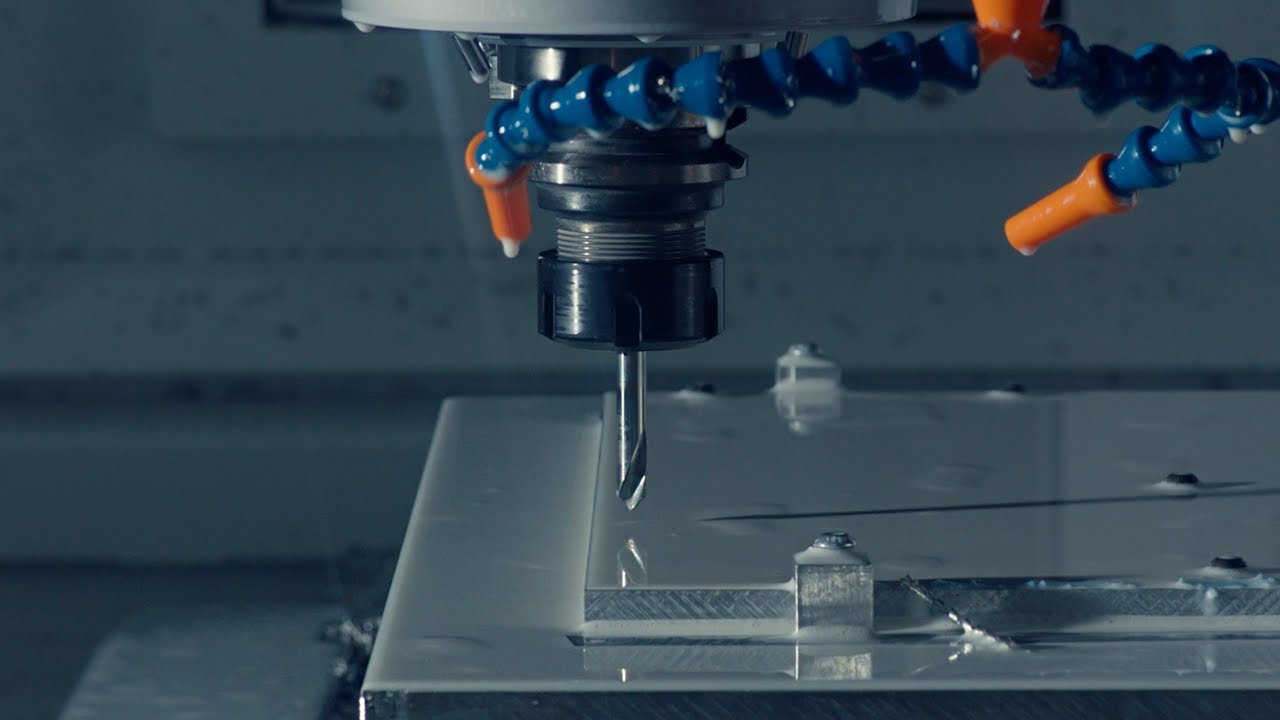
That division of labour — machines for the boards, hands for the assembly and testing — is the real content of the price. US dealer Paragon Sight & Sound lists the base Varèse system, the Core system with the two Mono DACs, at $250,000, with the Master Clock and transport carrying a full system well beyond it. Nobody at dCS pretends the money buys a better file. It buys the machining, the clocking, the synchronisation work and the testing time of the people in the film — an argument that in digital playback, the craft is not in the data. It is in everything the data has to pass through on its way to becoming sound.
Previously's Take
Varèse is an easy system to mock from the spec sheet and a harder one to dismiss after the factory film. Five boxes is a lot. But dCS can point at every one of them and say what it does, who machines it, and who tests it — and in a category where the magic is usually asserted rather than shown, showing the work is the whole pitch.
The numbers
Sources · 5 sources
- dCS — "Making Varèse: Behind the scenes," dCS Edit (official manufacturing account and film)
- dCS Audio (YouTube) — "Making Varèse" film, oEmbed-verified 2026-11-02
- Paragon Sight & Sound (US dCS dealer) — Varèse system configurations and current pricing; component descriptions
- Stereophile — Varèse Music System review and specifications (April 2025): system architecture, PCM to 24/384 and DSD support
- Hi-Fi News — Varèse review: ACTUS bus and component breakdown
Photographs: dCS product photography via Paragon Sight & Sound · dCS product photography via Paragon Sight & Sound · dCS Audio