
For about fifteen years, luxury had a plan for the internet, and the plan was not to touch it. The great houses would keep their marble rooms and their client books, and a new kind of middleman would handle the screens: one website where a shopper in Kansas or Kuala Lumpur could buy the same bag sitting in a boutique in Milan, shipped to her door like it was nothing. It sounded like the future because it was the future — for everybody except the middlemen. In the space of twenty-six months, every one of the giants either collapsed, got rescued at scrap value, or was handed to a competitor with money left in its pocket to make the problem go away. The door to luxury is still there. It just belongs to the brands again.
Start with the biggest fall, because the numbers still do not look real. Farfetch was founded in 2007 by José Neves on a genuinely beautiful idea: the world's great independent boutiques, most of them too small to build real e-commerce, pooled on one platform, their stock suddenly visible to the entire planet. A shopper was no longer limited to what her city carried. The aisle was endless, and Farfetch took a cut of more than thirty cents on every dollar that moved through it. Investors believed completely. The company listed in New York in 2018, and by early 2021 the market valued it at $23 billion.
What it never built was a durable profit, and when the cheap money ended, the structure showed. In November 2023 Farfetch simply declined to publish its quarterly results — a listed company going quiet is a fire alarm — and on December 18 it announced its rescue: Coupang, the South Korean e-commerce giant, together with Greenoaks, would put in $500 million and take the business through a pre-packaged administration. The operating company survived. Everything above it did not. Shareholders, Neves included, were wiped out entirely, and the Cayman Islands holding company was left holding two series of convertible notes — $400 million due in 2027 and $650 million due in 2030 — with nothing to pay them. When the Coupang sale completed on January 31, 2024, the noteholders' trustee petitioned to wind the company up, and on February 9 the Grand Court of the Cayman Islands did exactly that, appointing official liquidators over what had been, three years earlier, a $23 billion company. Neves stepped down as chief executive that same month. Farfetch still trades today, under Coupang, with roughly half the people it used to employ. The name lived. The middleman's equity story died in a courtroom in George Town.
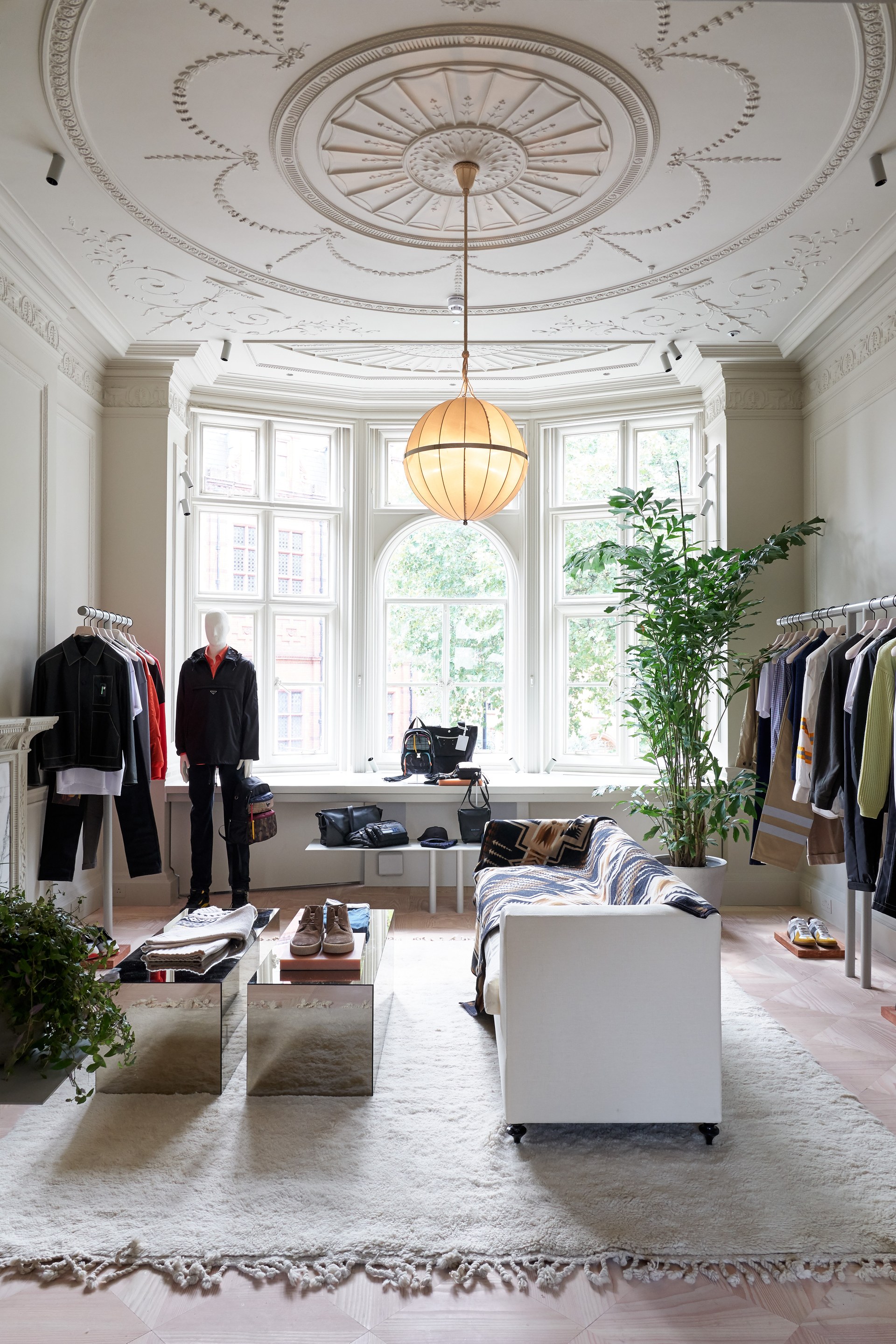
Matches died faster, and uglier, because Matches was never really a tech company at all. It started in 1987 as a single boutique in Wimbledon, run by Tom and Ruth Chapman, the shop that first brought Prada and Bottega Veneta to British customers. That eye — real curation, real relationships — is what private equity bought in 2017, when Apax took its majority stake at a valuation reported around $1 billion. Six years later Apax sold the whole business to Frasers Group for £52 million. Eleven weeks after that, on March 8, 2024, Matches was in administration. Frasers had put in another £33 million trying to keep it trading, then stopped, saying the business had missed every target it was set. The administrators from Teneo found debts of more than £210 million. Five hundred and forty-one unsecured creditors — brands, landlords, customers — were owed at least £35.6 million between them and stood to recover less than £800,000 in total, less than a penny in the pound. The Swedish label Toteme was the trade creditor owed the most, close to £1 million; Burberry, Gucci and Max Mara were each owed around half a million. Customers who had bought a dress the week before the collapse could not return it. There was nobody left to return it to. The name was eventually sold on again in December 2025, to the founders of a shopping app, who plan to relaunch it in 2026 — a famous door, reopened by new owners, with the old debts buried behind it.
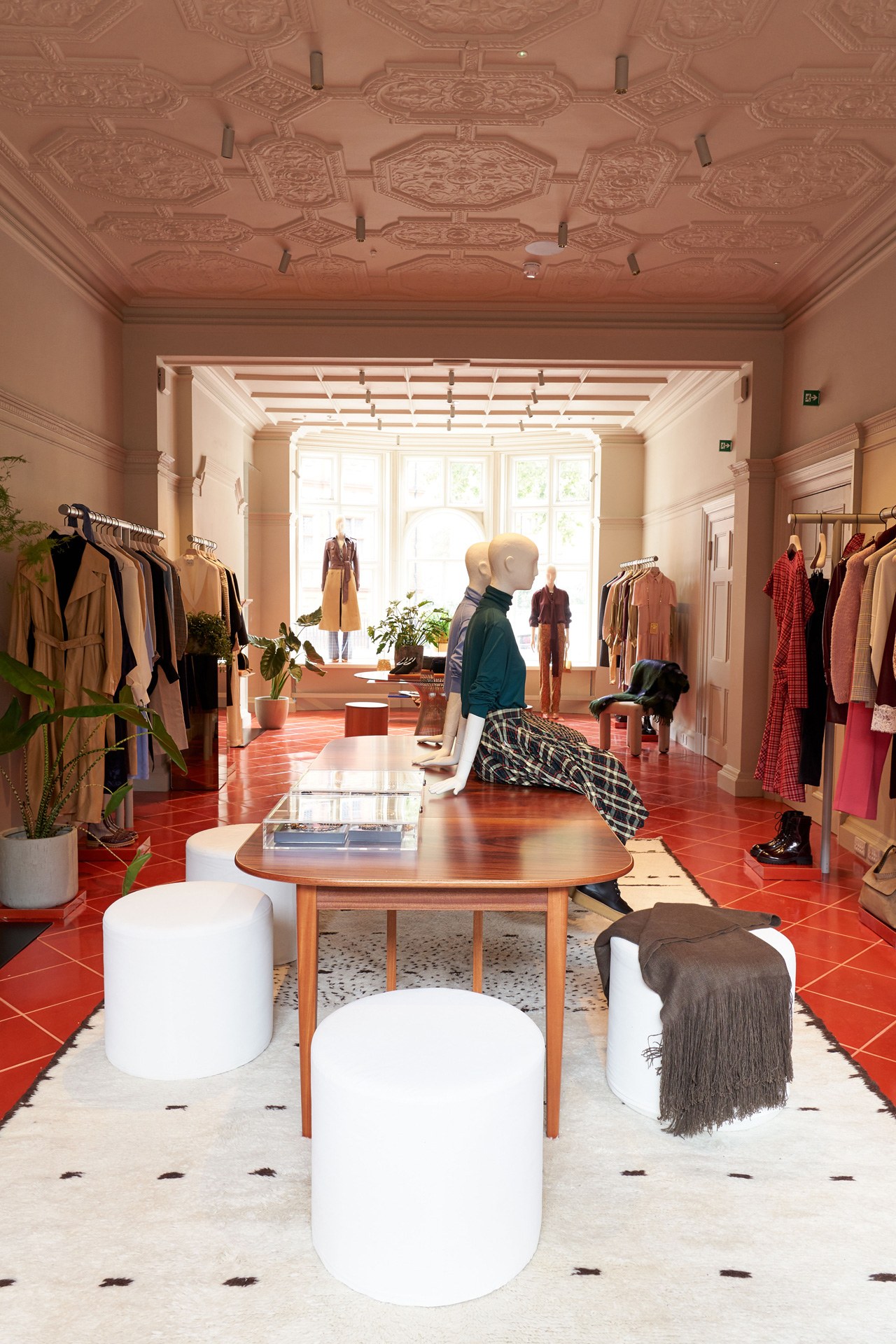
SSENSE is the one that hurts the culture most, because SSENSE was never just a store. Founded in Montreal in 2003 by three brothers — Rami, Firas and Bassel Atallah — it was the platform that treated a kid in avant-garde Japanese labels and a customer for Saint Laurent as the same reader, and it championed young designers nobody else would stock yet. In June 2021, taking outside money for the first time in eighteen years, it accepted a minority investment from Sequoia Capital at a valuation of more than C$5 billion. Four years later, at the end of August 2025, SSENSE filed for protection under Canada's Companies' Creditors Arrangement Act carrying about C$371 million of debt, more than C$93 million of it owed to the very brands on its rails. The trigger was brutally mechanical: its lenders moved to force a sale, the company filed its own application to keep control of the restructuring, and the United States ended the $800 duty-free de minimis exemption on August 29, 2025 — the rule a Montreal warehouse shipping into America had quietly been built on. The lenders wanted liquidation. The brothers fought them in court and won: in February 2026 a Québec court approved the founders buying their own company back, with a Canadian family office beside them, for about C$78 million — against a valuation of five billion five years before. SSENSE never stopped shipping. It came out the other side smaller, founder-owned again, and carrying the lesson in its own numbers.
And then there is the quietest exit of all, which may be the most telling. Richemont — Cartier, Van Cleef & Arpels, the hardest luxury in the world — spent a decade and billions trying to own the middleman itself: it bought Net-a-Porter in 2010, merged it with Yoox in 2015, and in 2018 paid to take the combined Yoox Net-a-Porter private at a valuation of about €5 billion. In April 2025 it gave up in the most expensive way a company can give up. Richemont sold YNAP to Mytheresa — and handed it over holding €555 million in cash, free of debt, took shares worth a 33 percent stake in the combined company instead of money, and lent the business a further €100 million to keep it running. Read that again. The seller put over half a billion euros in cash inside the thing it was selling, took paper instead of money, and wrote off roughly a billion euros in the year of the deal. That is not a sale. That is a wealthy man paying a careful neighbour to take a beautiful, money-losing house off his hands. The combined group renamed itself LuxExperience, and Net-a-Porter — the site that invented luxury e-commerce as editorial — now lives inside its former rival.
So who holds the door now? The answer was hiding inside the survivor. Mytheresa did not win by being bigger; Farfetch was bigger. It won by behaving like the boutiques the platforms were supposed to replace: an edit of around 250 brands instead of an endless aisle, full price instead of a discounting habit — the habit that was strangling Matches long before Frasers arrived — and a business built on knowing its best clients by name, with exclusive capsules and first access as the modern version of the pre-sale. Its leadership says the quiet part plainly: nobody wants a place that has everything for everybody. Luxury was never supposed to be everything. It was supposed to be the right thing, in the right room, offered to the right person first.
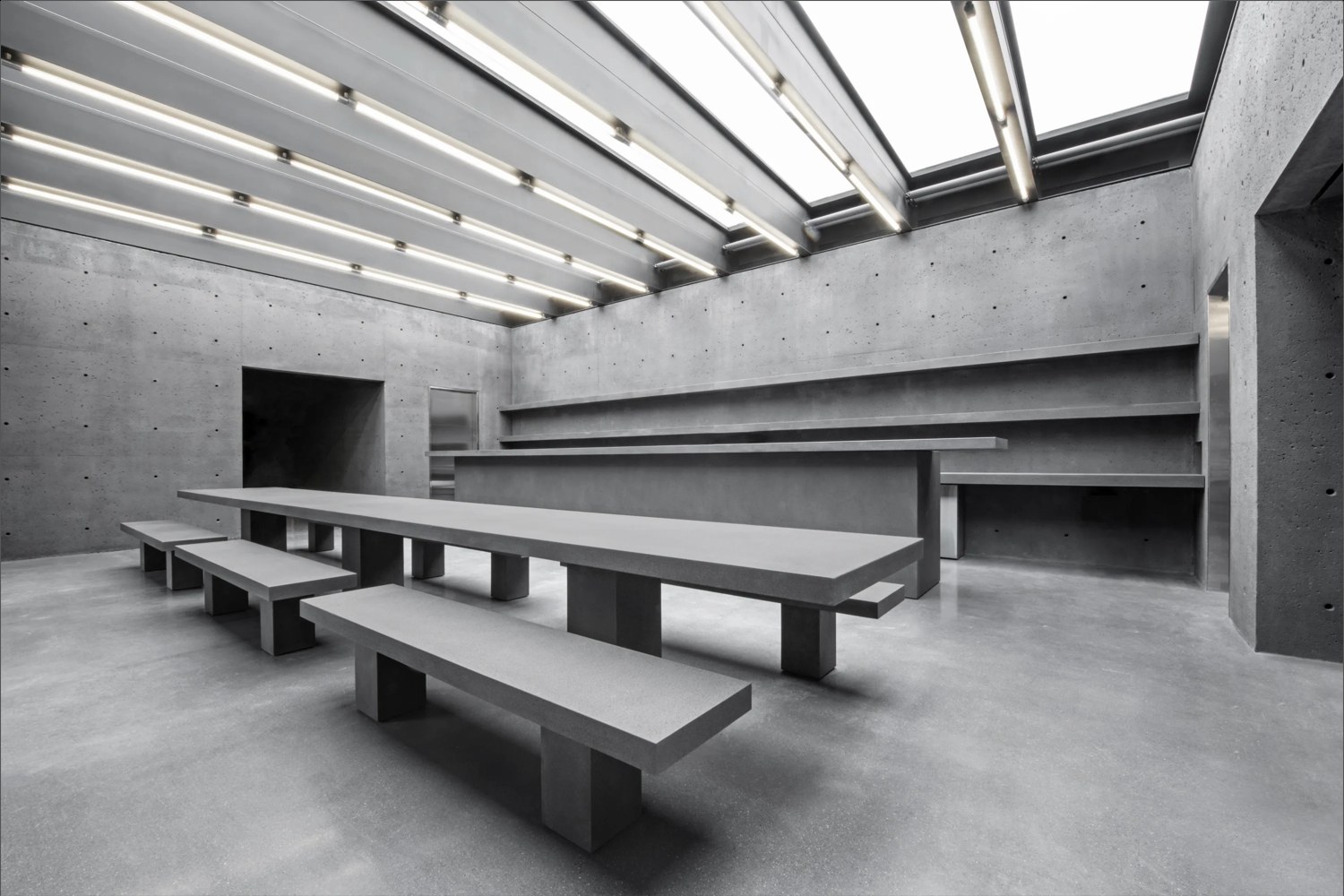
That is what the brands took back when the middlemen broke: not just the sale, but the terms of the encounter. The price is set in the maison's own store now, and it does not get marked down by an algorithm in somebody else's sale event. The presentation is theirs — their imagery, their room, their light. And the client is theirs: the name, the history, the relationship, the call when the piece you wanted arrives. Shoppers lost something real in the trade, and it should be said plainly. One door for everything was a genuine freedom, especially for anybody who does not live near a fashion capital; the small designer whose first global customer came through SSENSE or a Farfetch boutique listing has a harder road today; and a Matches customer holding a dress she could not return learned what counterparty risk feels like at retail. But shoppers gained the thing the platforms forced the brands to build: the houses' own doors are better now — real online service, real clienteling, appointments, rooms worth travelling to. It is not an accident that the most beautiful retail space any of the middlemen ever made was a physical one: SSENSE's Montreal flagship, five storeys of concrete inside a nineteenth-century facade, built for appointments and fittings. Even the platform knew the room mattered. It just could not make the arithmetic of the room — patience, scarcity, full price, a client known by name — survive at the scale of the endless aisle, financed with cheap money and valued like software.
The middlemen promised to stand between the brands and the world forever, and take their thirty percent for the introduction. In the end the introduction was all they had. Once the brands learned the internet themselves — slowly, expensively, and on their own terms — the man in the middle was holding a door that opened onto somebody else's house. The houses have the keys again. The door is narrower than the one Farfetch promised, and it opens more slowly, and for some people it will not open at all. That is not a flaw in the new arrangement. From the maison's side of the threshold, that is the arrangement working exactly as intended.
Sources · 12 sources
- UK High Court — judgment in Re Farfetch Limited (in Liquidation), EWHC (Ch) 2024, Case CR-2024-001814, handed down December 20, 2024: the 2027 notes (US$400 million, 3.75%) and 2030 notes (US$650 million, 0%); the Coupang sale completed January 31, 2024; the Cayman winding-up order of February 9, 2024.
- Coupang — completion announcement, SEC Form 8-K Exhibit 99.1, January 31, 2024.
- The New York Times — December 16, 2023: Farfetch’s peak market value of $23 billion in early 2021 against about $250 million by December 2023; marketplace commission above 30% of sales.
- Frasers Group — announcement via the London Stock Exchange, March 8, 2024: Matches bought from Apax Partners for £52 million in December 2023; the group put into administration on March 7–8, 2024, after a further £33 million of support.
- Teneo — administrators’ report on Matches (April 2024), as reported by PA: total debts above £210 million; 541 unsecured creditors owed at least £35.6 million with expected recovery under £800,000; £173 million owed to Frasers itself.
- Business of Fashion and Drapers — Matches founded in 1987 as a single Wimbledon boutique by Tom and Ruth Chapman; online from 2007; Apax Partners majority stake in September 2017 at a reported valuation of about $1 billion.
- Québec Superior Court — CCAA proceedings record for SSENSE: protection since September 2025; approval and vesting order for the sale to 9549-0348 Québec Inc. at C$58.5 million cash plus assumed liabilities; the transaction closed February 13, 2026.
- The New York Times (August 29, 2025) and Business of Fashion (August 2025–February 2026) — SSENSE’s CCAA filing of August 28, 2025 with about C$371 million of debt, over C$93 million of it owed to vendors; the founders’ buy-back at about C$78 million, closed February 13, 2026.
- SSENSE and Sequoia — press release via PR Newswire, June 8, 2021: minority investment at a post-money enterprise value above C$5 billion; SSENSE founded in Montreal in 2003 by Rami, Firas and Bassel Atallah.
- Richemont — FY25 results announcement, May 16, 2025: the sale of YNAP to Mytheresa closed April 23, 2025 with €555 million of cash left in the business and no financial debt; Richemont took 33% of the combined group, renamed LuxExperience, and provided a €100 million revolving credit facility; FY25 loss from discontinued operations of €1,012 million.
- Vogue Business via Retail Gazette — December 17, 2025: the Matches IP and in-house label Raey bought from Frasers by Joe Wilkinson and Mario Maher’s Hulcan group, with a relaunch planned for 2026.
- Monocle — 2026 interview with Mytheresa chief executive Francis Belin: a curated edit of about 250 brands, top customers driving the business, exclusive capsules and pre-launches as the access offer.