
Start with the terms of the first deal, because Cucinelli still tells it the same way. He was twenty-five, working as a model for a sportswear company near his home in Umbria, reading fashion magazines and forming a conviction: cashmere — then sold in natural colours, mostly for men — should be dyed, made for women, and built into a company of his own. He had no money. He asked a yarn merchant he knew for about twenty kilograms of ecru cashmere, enough for roughly sixty sweaters. The man agreed, and told him: you'll pay me when you earn your first money. I know you — you're a good young man.
The colour was the gamble, so the next stop was a dye works and a young expert named Alessio. Cucinelli brought six women's sweaters and asked for six colours, not too bright. Alessio's first answer was that he was crazy to dye cashmere like that. He was talked round by the end of the morning, with no guarantee offered, and the dyed sweaters became the founding product of the company Cucinelli established in 1978. His first customer, a boutique owner named Albert Franz in Naturno, near Bolzano, ordered fifty-three sweaters — and, in Cucinelli's telling, is a customer still.
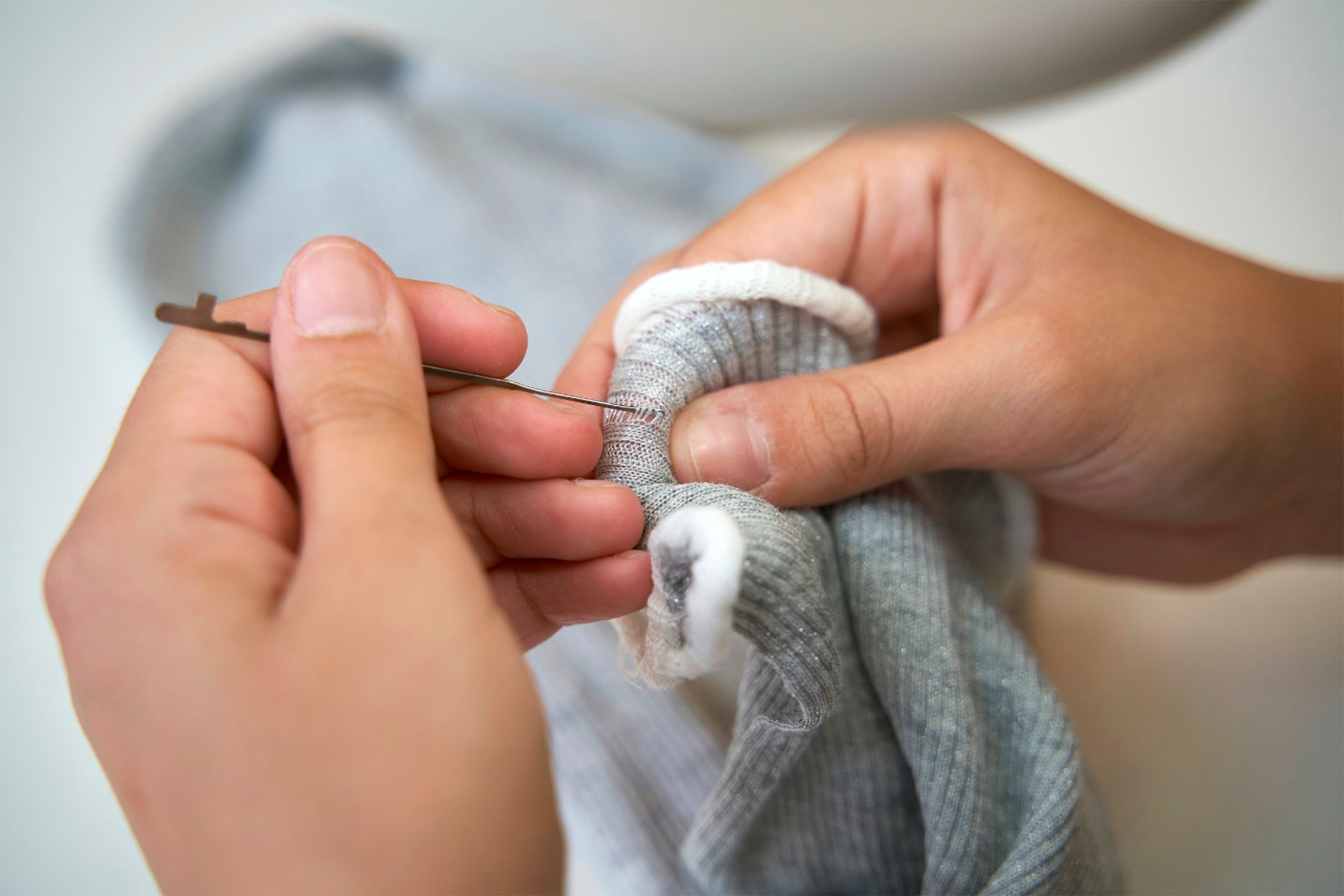
Underneath the product idea sits the reason the company took the shape it did. Cucinelli grew up in a farming family; when his father left the land for factory work, the son watched him come home humiliated by the way he was treated. The vow that followed — that work in his company would never offend a person's dignity — became the operating system: profit pursued, in his words, on the basis of ethics, dignity and morality, with part of it given back.
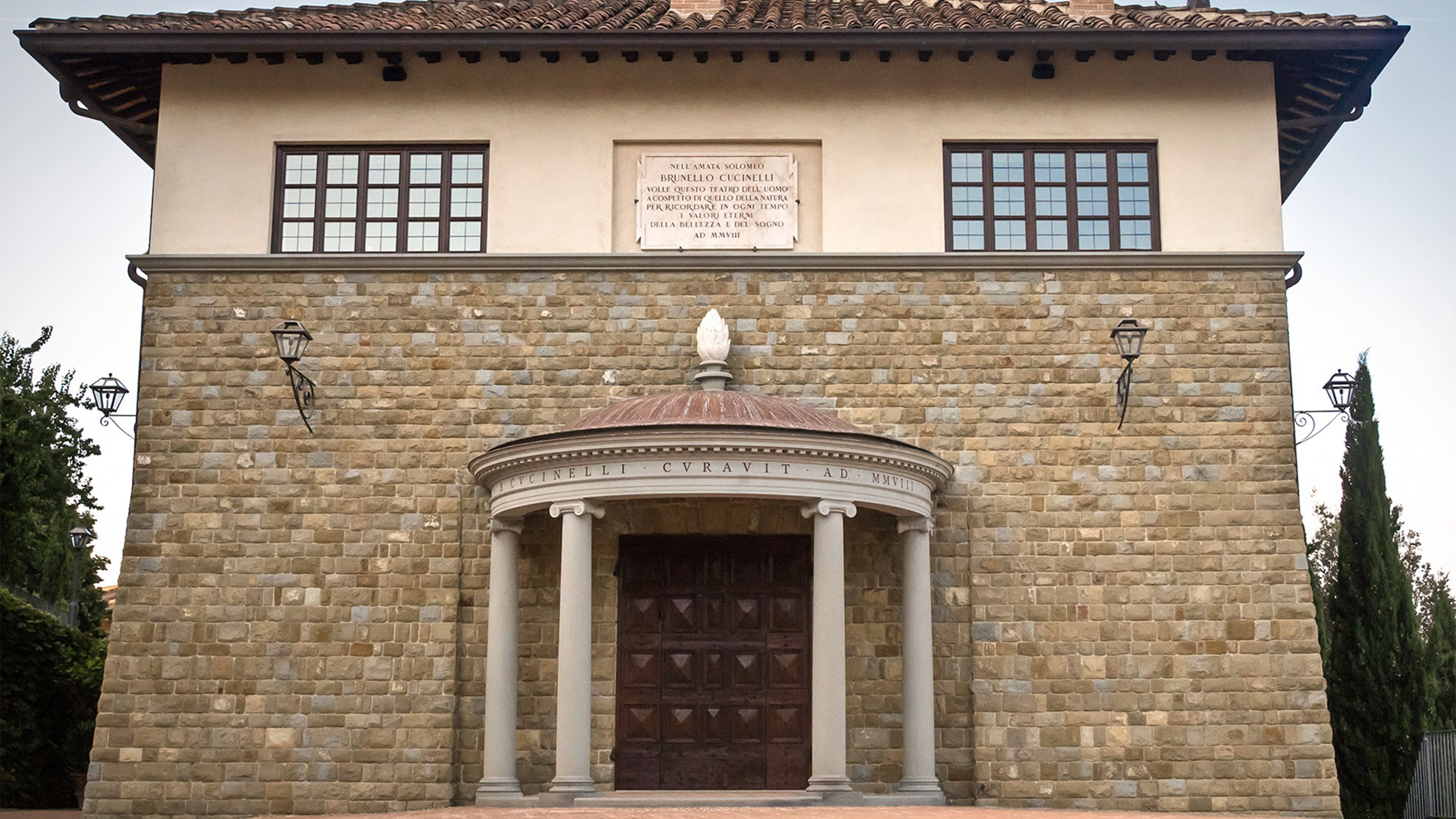
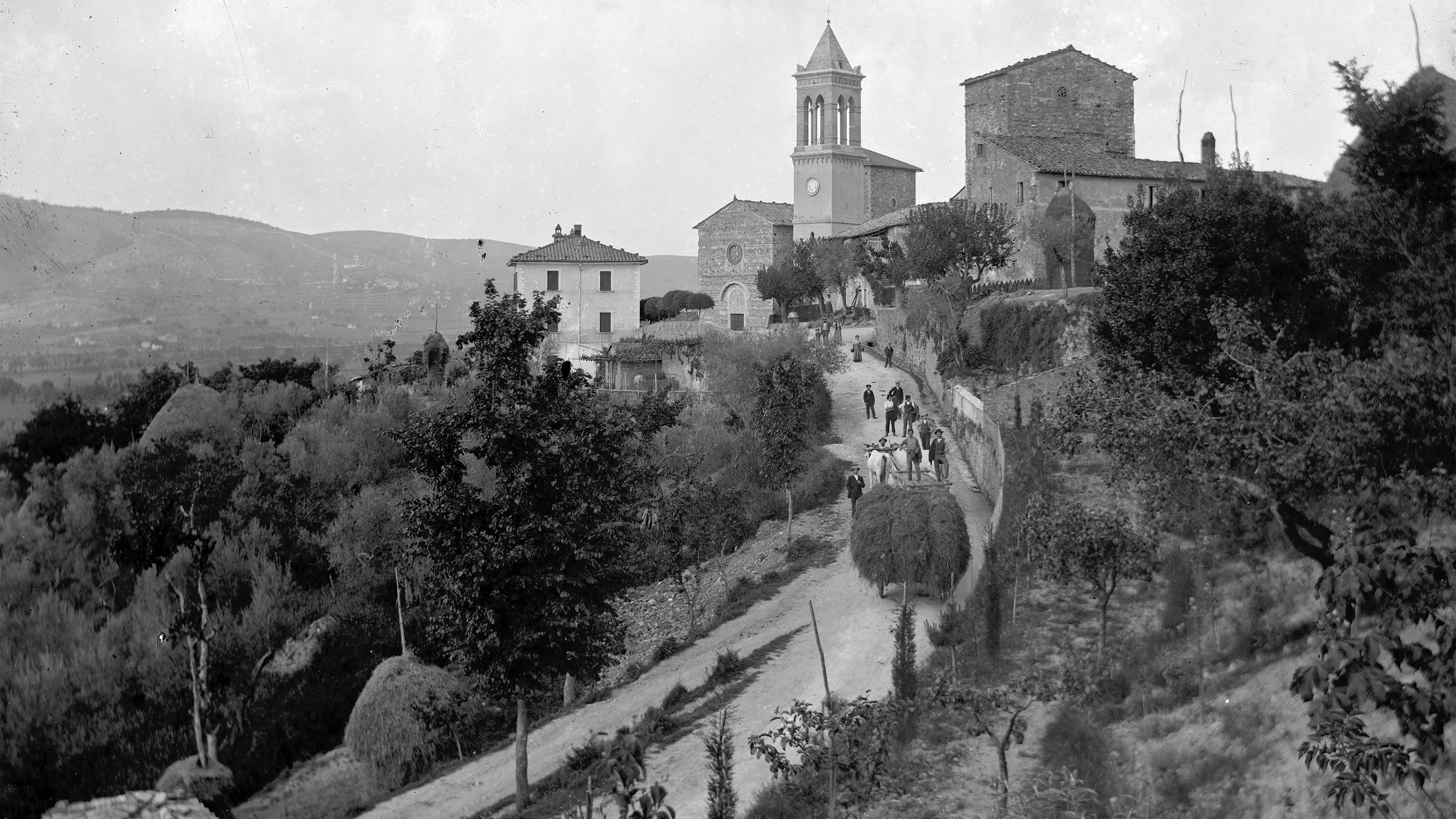
Solomeo is where that stopped being a philosophy and became masonry. The medieval Umbrian hamlet was his wife Federica's village; the couple moved there, and in 1985 he bought its ruined fourteenth-century castle, persuading an owner who cared about preservation that the building would be kept whole and put to work. The castle became the company headquarters. The restoration kept spreading — streets, church, the hamlet's historic buildings — until the village and the company were effectively one project. In 2008 the hamlet gained a theatre he built, its portico inscribed with his name. A School of Arts and Crafts followed, teaching the manual trades the company itself depends on.
The daily texture inside is part of the same design, by his own account: the working day runs from eight to half past five, nobody clocks in or out, lunch is Umbrian cooking in the company restaurant, and assemblies every three months go over everything from company results to small details. You can argue with the philosophy — plenty do — but it is unusually testable. It is written into opening hours and payslips, not just speeches.
Founder stories usually end at the company. This one kept going into real estate, restoration and a theatre, which makes it a different kind of First Generation story: the fortune's second product was a place. Sixty sweaters' worth of yarn, extended on a handshake, turned into a hamlet where a luxury house and a medieval village now keep each other alive. Whether you call it stewardship or the most beautiful headquarters in fashion, it was built — not bought finished.
The founder is Brunello Cucinelli (born 1953), Castel Rigone, Umbria — farming family; the company founded in 1978. The start is about 20 kg of ecru cashmere yarn supplied on credit ("You'll pay me when you earn your first money") — enough for roughly sixty sweaters. The idea is the coloured cashmere for women; six sweaters dyed in six colours by the dyer Alessio after initial refusal. The first order is 53 cashmere sweaters from Albert Franz, a boutique owner in Naturno, near Bolzano. The solomeo is his wife Federica's hamlet; the ruined 14th-century castle bought in 1985 and restored as headquarters; restoration extended across the hamlet; Teatro Cucinelli built, dated MMVIII (2008); a School of Arts and Crafts established in the village. The price is not disclosed.
Sources · 4 sources
- Brunello Cucinelli — "The origins of the company," the founder's own account (yarn on credit, sixty sweaters, Alessio and the six colours, Albert Franz's first order of 53, the castle purchase and the Solomeo restoration, working-day customs)
- FNL Guide — "Brunello Cucinelli: Italian Craftsmanship and Ethical Entrepreneurship" (founded 1978; the twenty-kilo yarn account retold; headquarters in a 14th-century castle)
- The Peak Magazine — "Why is Brunello Cucinelli the 'King of Cashmere'?" (1978 start; coloured cashmere; castle headquarters; Solomeo revitalisation)
- MR PORTER, The Journal — "The Town That Brunello Cucinelli Built" (Solomeo's restoration, streets and theatre, built up over decades)
Photographs: Brunello Cucinelli · Brunello Cucinelli · Brunello Cucinelli