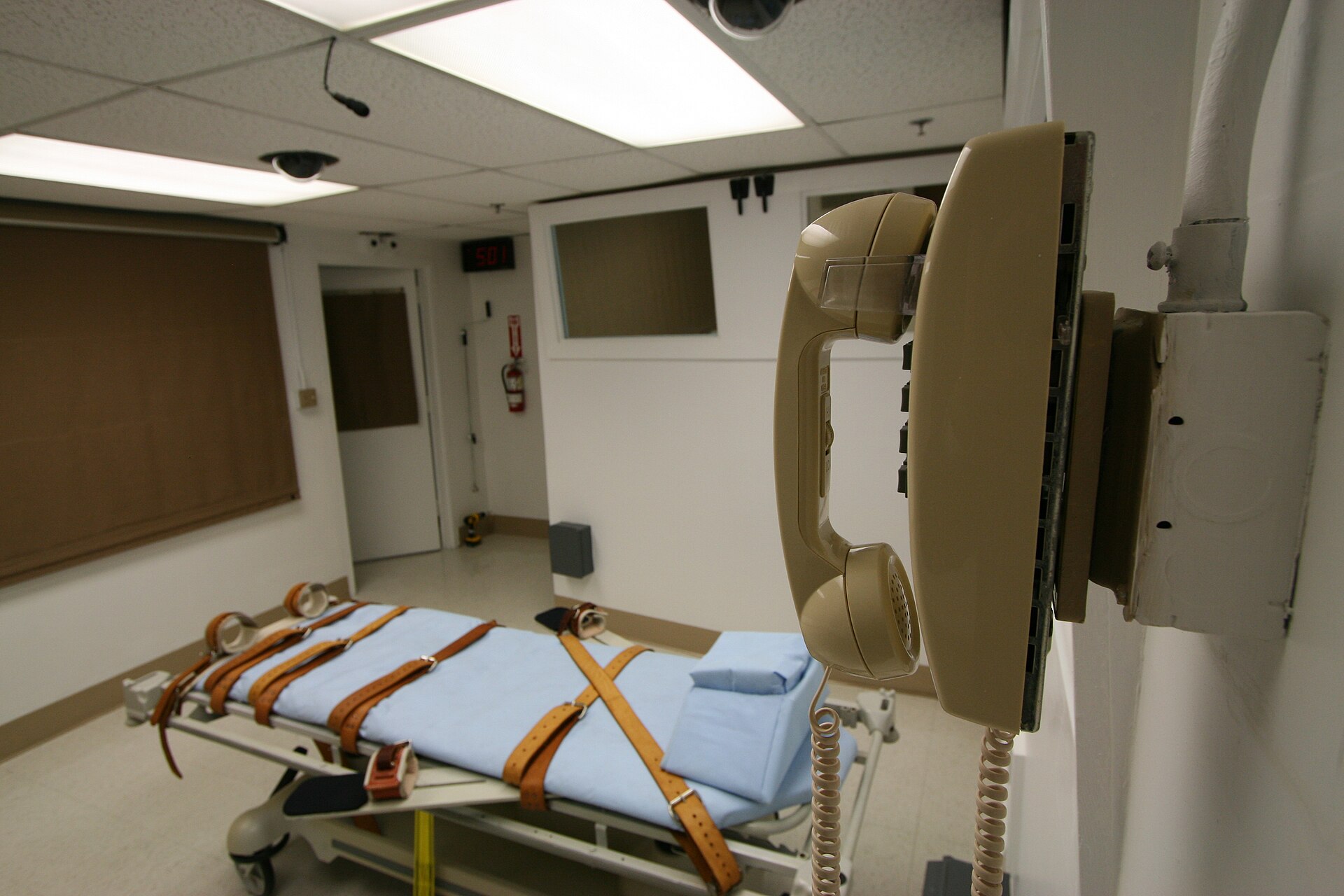

Florida executed William Reaves Jr. on Tuesday evening, October 20, 2026, carrying out a death sentence imposed more than three decades ago for the 1986 murder of an Indian River County sheriff’s deputy who had responded to a call for help. Reaves, 77, was pronounced dead at 6:12 p.m. ET at Florida State Prison in Raiford, according to TCPalm, whose journalists were at the prison for the execution. Asked whether he had any final words, Reaves said, “No. I do not,” TCPalm reported. He was the 18th person executed in Florida in 2026.
The final day moved with the grim routine the state has practiced all year. Reaves awoke at 5 a.m. and remained compliant throughout the day, Florida Department of Corrections spokesman Jordan Kirkland said at an afternoon media briefing at the prison, according to TCPalm. He received four visitors — his sister, his brother, his nephew and a friend — and met with a spiritual advisor, Kirkland said. His last meal was crackers and juice. The Associated Press, reporting the same briefing, confirmed the visitors, the meal and the 5 a.m. wake-up, and noted that Indian River County Sheriff Eric Flowers attended the briefing.
Outside the prison, the county that lost a deputy 40 years ago made its own statement. A refurbished patrol car dedicated to Deputy Richard Raczkoski was towed to Florida State Prison on Tuesday afternoon, according to TCPalm. Retired Vero Beach police officer Kevin DeLisle, who had been Raczkoski’s coworker and roommate, brought the car and attended the execution, TCPalm reported.
A 3 a.m. phone call in 1986
The case began, as TCPalm recounted from court records, in the early morning hours of September 23, 1986, outside a Zippy Mart convenience store on State Road 60 west of Vero Beach. Reaves, then 37 and on probation, went to the store’s pay phone hoping to get a cab to Gifford. When that failed, he called 911, then hung up before the call connected, prosecutors said. Deputy Raczkoski, 29, was dispatched to investigate the silent call. According to USA TODAY’s account of court documents, a dispatcher ran a warrant check on Reaves that came back clear, and Raczkoski was trying to arrange a cab ride for him when a .38-caliber pistol fell from Reaves’ shorts.
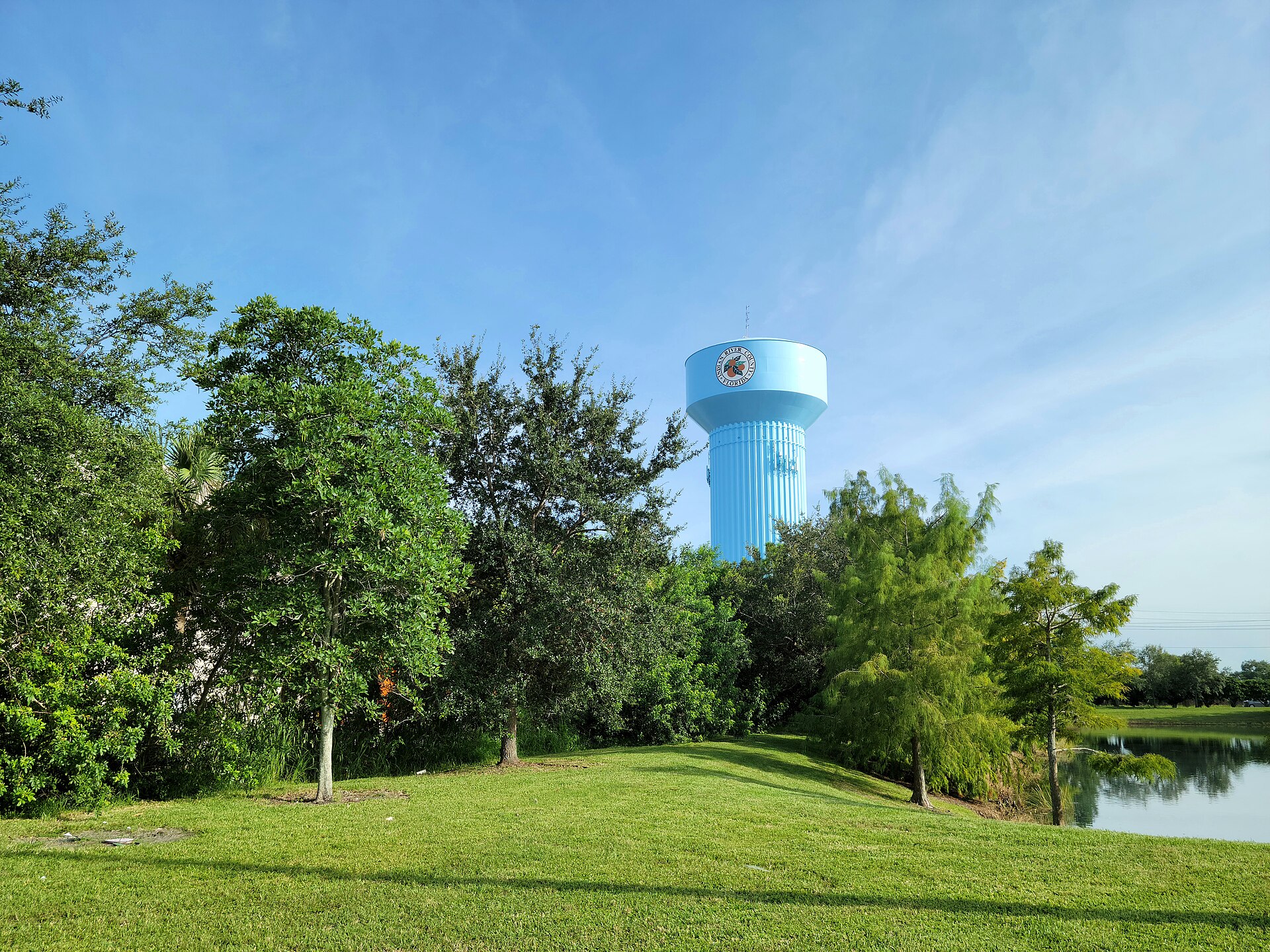
What happened next took seconds. Raczkoski put his knee on the fallen gun, prosecutors said, but Reaves grabbed it and pointed it at the deputy, who began to back away. Reaves fired seven times, striking Raczkoski four times — once in the arm and three times in the back, according to TCPalm. Raczkoski died at a hospital later that morning. He was the first Indian River County sheriff’s deputy killed in the line of duty. Reaves fled to a friend’s apartment and was arrested in Albany, Georgia, two days later, according to USA TODAY. TCPalm reported that he told police he killed the deputy to avoid being sent back to prison.
The legal road from there was long even by death-row standards. Reaves was convicted of first-degree murder and sentenced to death in 1987, but the Florida Supreme Court reversed the conviction because the prosecutor, then-State Attorney Bruce Colton, had previously represented Reaves on an armed robbery charge in 1973, according to TCPalm’s archives. A second jury convicted him again, and he was sentenced to death a second time in 1992.
The appeals ran out on Tuesday
Governor Ron DeSantis signed Reaves’ death warrant on September 18 — the 18th warrant he has signed this year, according to the News Service of Florida, as reported by The Florida Press. Indian River County Sheriff Eric Flowers had pressed for the case to be treated as a priority, the News Service of Florida reported. In the warrant’s final weeks, Reaves’ attorneys argued to a circuit court that his clemency process had been defective, that his severe hearing loss could leave him unable to hear the consciousness check during the lethal injection, and that newly raised questions about the state’s key trial witness undermined the premeditation finding, according to TCPalm. The circuit court denied all three claims, and the Florida Supreme Court denied his appeal on October 14, TCPalm reported.
That left Washington. On Tuesday afternoon, the U.S. Supreme Court denied Reaves’ requests for a stay of execution and for a writ of certiorari, according to TCPalm, which cited a copy of the order distributed by the Court’s Public Information Office. The Associated Press reported that the justices rejected the final appeal without comment. With that, nothing stood between Reaves and the 6 p.m. execution time. Our coverage of the Court’s recent death-penalty docket, including its refusal to revive the 9/11 plea deal case, is on the news front.
The case for mercy: a veteran, a diagnosis, a jury that never heard it
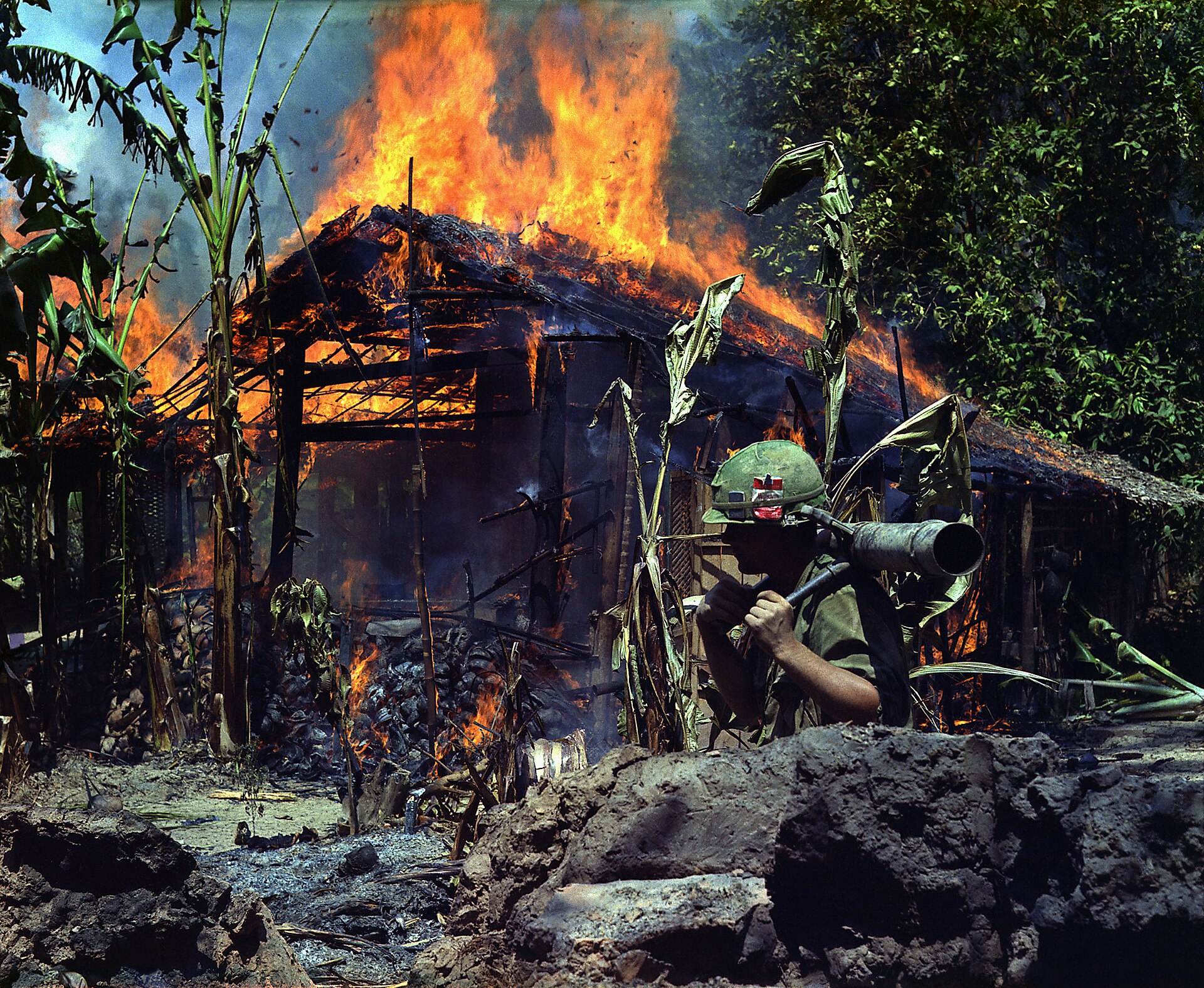
Running underneath the legal fight was an argument about who William Reaves was before September 1986. Reaves was a Vietnam veteran who served as an infantry machine gunner with the Army’s 4th Infantry Division in the Central Highlands and Cambodia, earned the Combat Infantryman Badge and the Air Medal, and was honorably discharged, according to Floridians for Alternatives to the Death Penalty, which campaigned for clemency in his case. The Department of Veterans Affairs later determined that he was 100 percent disabled by post-traumatic stress disorder connected to his service — a determination his sentencing jury never heard, FOX 13 Tampa Bay reported. On October 19, 100 fellow veterans wrote to Governor DeSantis asking him to commute the sentence, arguing that the jury that recommended death never received the full evidence about his combat trauma, according to Floridians for Alternatives to the Death Penalty.
Reaves himself never claimed innocence. He still admitted guilt and believed he should be in prison, but his attorneys argued the murder was not premeditated and that death was not the appropriate punishment, according to TCPalm. Through his legal team, Reaves also called for all Florida executions to be halted until the state’s execution process — challenged in other appeals over the drugs used — could be thoroughly reviewed, TCPalm reported. None of it moved the courts, and the governor did not grant clemency.
Florida’s record pace
Reaves’ death keeps Florida on a pace unmatched in the modern era. He was the state’s 18th execution of 2026, and the eighth prisoner over the age of 70 put to death in Florida this year, according to the Associated Press — a statistic that has drawn national attention to the aging of America’s death rows. Florida set its modern record with 19 executions in 2025, and one more execution, Jesse Guardado’s, is scheduled for November 5, which would tie that mark, according to TCPalm. The Associated Press noted that DeSantis, in his final term, has said his goal is to bring justice to victims’ families who have waited decades for sentences to be carried out.
For Indian River County, the wait was 40 years, one month short. Richard Raczkoski was 29 years old, doing the most ordinary thing a deputy does — checking on a silent 911 call, then trying to get a stranded man a cab ride home. On Tuesday evening, the county’s sheriff stood in the prison briefing room as the state announced that the man who killed him was dead, and a patrol car bearing Raczkoski’s name sat outside the walls. Whatever else the execution settled, it closed the oldest open wound in the Indian River County Sheriff’s Office.
Sources · 5 sources
- TCPalm — live coverage from Florida State Prison: time of death, final words, the Kirkland briefing, the DeLisle patrol car and the appeals history
- Associated Press — the Supreme Court’s rejection, the final-day details and Florida’s 2026 execution pace
- USA TODAY — the 1986 shooting, the warrant check and cab call, and the arrest in Georgia
- FOX 13 Tampa Bay — the VA’s 100 percent PTSD disability rating and the veterans’ clemency letter
- Floridians for Alternatives to the Death Penalty — the text and signers of the October 19 veterans’ clemency appeal