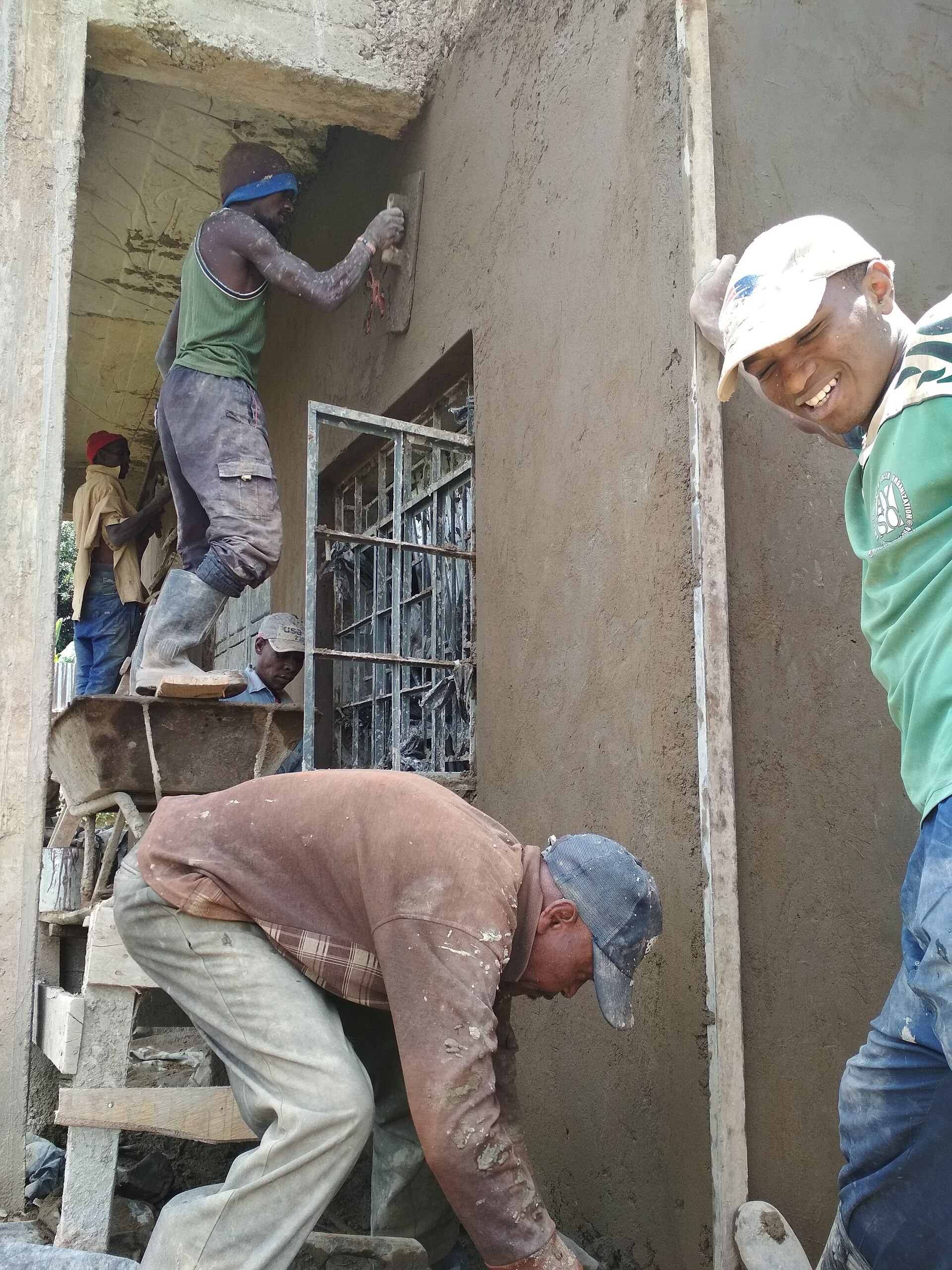

American homebuilders broke ground more slowly in September, and the slowdown was broad enough to show up in nearly every cut of the data the Census Bureau released on Tuesday, October 20, 2026. Privately owned housing starts ran at a seasonally adjusted annual rate of 1,221,000 in September, down 5.2% from the revised August estimate of 1,288,000 and 7.4% below the September 2025 rate of 1,319,000, according to the Census Bureau figures quoted by Calculated Risk. The Wall Street Journal reported that economists it polled had expected a reading of 1.3 million and a 2% monthly increase — so the report missed on both the level and the direction. TradingView News noted it was the third consecutive monthly decline in starts and the lowest level since May. Building permits, the forward-looking half of the release, barely moved: 1,400,000 at an annual rate, down 0.2% from August and 3.0% below a year earlier, according to the Census Bureau.
Where the ground stopped breaking
The single-family segment did most of the falling. Single-family starts came in at a rate of 859,000 in September, down 4.6% from the revised August figure of 900,000, according to the Census Bureau, and TradingView News put that at the lowest single-family pace in a year. The September rate for units in buildings with five units or more was 349,000, the bureau said. Realtor.com, covering the same release, noted that the September single-family pace was still up 2.6% from a year earlier — though it pointed out that the comparison runs against 2025’s multi-year low, which flatters the gain.
Regionally, the map split. According to the Census Bureau data summarized by Source First News, starts in the West fell 23.2% from August to a 235,000 pace and were 25.4% below a year earlier — the only regional move the bureau’s own accounting treats as statistically significant. Starts rose 6.1% in the South to 714,000 and fell 19.0% in the Midwest to 158,000, while the Northeast held at 114,000. Completions told a slower story still: finished homes ran at a 1,192,000 pace, up modestly on the month in some readings of the release but 14.0% below September 2025, a decline the bureau’s figures show clearly.
Permits say the pipeline is not empty
If starts measure what builders committed to in September, permits measure what they are still willing to queue up. Total authorizations of 1,400,000 came in slightly above the 1.39 million The Wall Street Journal’s economist poll expected, even as the headline number ticked down. The mix shifted underneath: single-family authorizations fell 4.0% to 845,000, while authorizations for units in buildings with five or more units rose to 503,000, according to the Census Bureau figures quoted by Calculated Risk. Sharecast read the same split as builders “still lining up future projects even as actual groundbreaking slows.” One widely shared analysis of the release noted that roughly 279,000 housing units had been authorized by the end of September but not yet started — up 9.8% from a year earlier — a growing shelf of permitted, unbuilt homes waiting on better math.
The mortgage-rate backdrop
None of this happens in a vacuum. Realtor.com reported that the average rate on a 30-year fixed mortgage reached 7.4% in Freddie Mac’s most recent weekly survey, pushed up by high 10-year Treasury yields amid global inflation fears and war-related oil shocks — and that mortgage rates above 7% are keeping many would-be buyers on the sidelines. The starts report also landed one day after builder confidence cratered: on Monday, the National Association of Home Builders/Wells Fargo Housing Market Index plunged to a 14-year low, according to Realtor.com, a reading Previously covered in its report on homebuilder sentiment hitting its lowest level in 14 years. Builders facing expensive financing, expensive lots and buyers who cannot qualify at 7.4% are doing the rational thing: permitting homes they may build later and starting fewer of them now.
Read the fine print before the headline
One thing the September release demands is humility about its own precision. Source First News, walking through the Census Bureau’s technical notes, pointed out that the bureau’s margin of error is wider than the 5.2% monthly drop itself: both the monthly decline and the 7.4% year-over-year fall sit inside 90% confidence ranges that include zero, meaning the survey, on its own terms, cannot prove starts actually changed in September. The bureau’s release notes add that establishing a trend in total starts can take six months. That does not make the report meaningless — the level, 1.221 million against expectations of 1.30 million, the single-family low, the West’s significant decline and the third straight monthly drop all point the same way — but it does mean September is evidence of a soft patch, not proof of a collapse. The next few releases, and whether that shelf of 279,000 permitted-but-unstarted homes starts moving, will say more than any single month can.
The housing data arrived the same morning General Motors’ earnings underlined the same consumer economy from a different angle — strong profits, cautious guidance — as Previously reported in GM’s third-quarter results and $20 billion buyback. Together, the two reports describe an economy where the biggest purchases a household makes — a house and a car — are both being financed at rates that keep demand deliberately, expensively slow.
Sources · 5 sources
- U.S. Census Bureau via Calculated Risk — Housing Starts Decreased to 1.221 million Annual Rate in September (October 20, 2026)
- The Wall Street Journal — U.S. Housing Starts Dropped Again in September (October 20, 2026)
- Realtor.com — Home Construction Drops as Builders Confront Higher Mortgage Rates (October 20, 2026)
- TradingView News — US Housing Starts Fall for Third Straight Month (October 20, 2026)
- Sharecast — US housing starts hit four-month low in September, permits edge lower amid weak builder sentiment (October 20, 2026)