
WASHINGTON THURSDAY, OCTOBER 15, 2026
Two ships have sunk near the Strait of Hormuz, American military planners are, according to CNN, drawing up options that include one of the largest conventional bombs in the U.S. arsenal, and the President of the United States says he is not certain who, exactly, his negotiators are negotiating with. That is the state of the Iran war as of Thursday morning, October 15 — a conflict whose diplomatic track and military track appear, in the latest reporting, to be moving in opposite directions at the same time.
This is a roundup of what has been reported, with every claim attributed to the outlet that reported it. The picture comes from Thursday's Early Edition briefing by Just Security, which summarized reporting from The Hill, CNN and Reuters. Where the reporting stops, so does this story: there has been no U.S. government announcement of new strikes, no confirmed American negotiating partner statement, and no independent verification of the strike planning beyond CNN's account of what U.S. officials told the network.
What we know: two ships have sunk near the strait
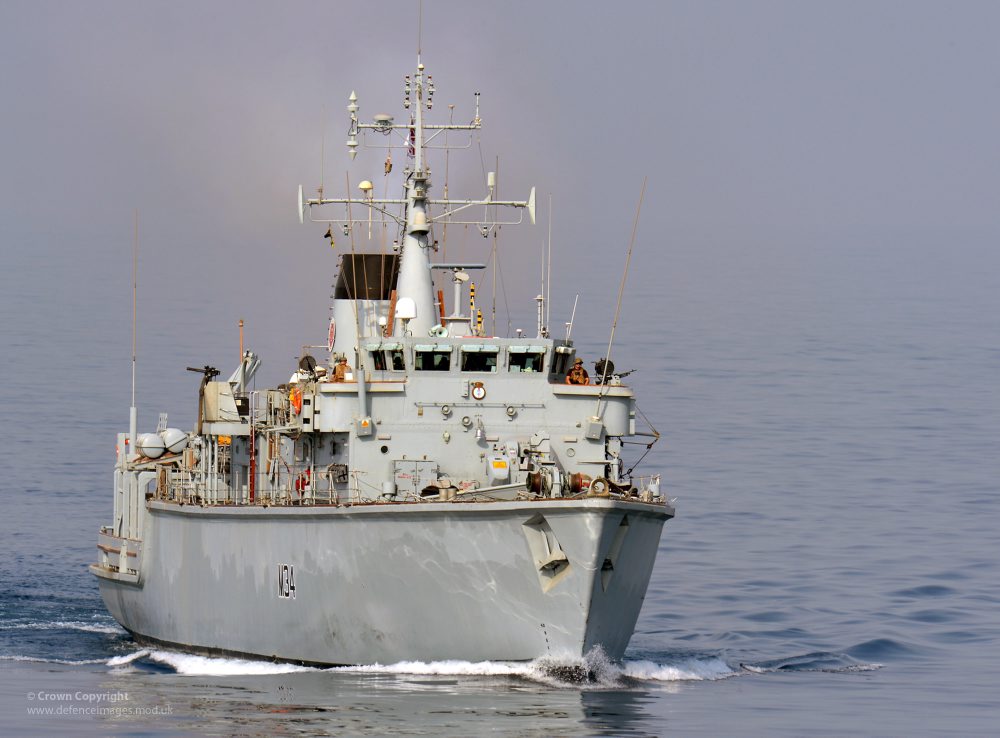
According to Reuters, two maritime authorities — the Maritime and Port Authority of Singapore and the United Nations' International Maritime Organization — have reported two sinkings near the Strait of Hormuz. In the first, an Antigua and Barbuda-flagged ship sank close to the strait weeks after it was struck by a projectile on September 23; one crew member was killed in that earlier strike and the rest of the crew was evacuated, Reuters reported. In the second, a Singapore-flagged container vessel sank in the strait and all 21 of its crew members were safely evacuated, according to the same Reuters reporting.
The Strait of Hormuz is the narrow waterway between Iran and Oman through which a substantial share of the world's seaborne oil and liquefied natural gas passes, which is why any sinking in or near it draws immediate global attention. Reuters' reporting, as summarized by Just Security, did not attribute responsibility for either sinking, and neither should readers: what the maritime authorities have established is that the ships went down, when one of them had previously been struck, and what happened to their crews.

What we know: CNN reports new strike options, including the MOAB
Separately, U.S. officials told CNN that the American military has developed new strike plans that could include using the GBU-43/B Massive Ordnance Air Blast Bomb — the weapon widely known as the MOAB — against Iranian energy infrastructure and nuclear sites, if President Trump orders a return to combat. According to CNN's reporting, a first-ever use of the weapon in this conflict would represent a major escalation. The MOAB is among the most powerful conventional air-dropped weapons in the U.S. inventory, and CNN's account frames its inclusion in the planning as a signal of how much larger a resumed bombing campaign could be than what has come before.
It is important to be precise about what CNN reported and what it did not. The officials who spoke to CNN described plans that have been developed — options prepared for a president who may or may not use them. Planning of this kind is a routine function of the Pentagon in any active conflict, and the existence of an option is not the same as a decision to execute it. As of Thursday morning, neither CNN nor any other outlet in the Just Security summary reported that an order to resume strikes had been given.
What we know: Trump says he is unsure who he is negotiating with
Against that military backdrop, the diplomatic picture described by the President himself is strikingly uncertain. At a rally in Montana on October 14, President Trump reiterated that he was not sure who U.S. officials are negotiating with to end the Iran war, according to The Hill's reporting, summarized by Just Security. In the same remarks, The Hill reported, the President said that Iran's navy, air force and army are gone — a characterization of the damage inflicted on Iran's conventional forces during the war.
The two halves of that message sit uneasily together, and The Hill's account, as summarized, does not resolve the tension. If Iran's conventional military has been effectively destroyed, the question of who holds authority in Tehran — and who can credibly commit the country to an agreement — becomes the central obstacle to ending the war rather than a side issue. A negotiation requires a counterpart who can both say yes and make the yes stick; the President's remarks, per The Hill, suggest the administration is not confident it has found one.
What we don't know
The gaps in the current reporting are as important as the facts. We do not know, from the reporting summarized by Just Security, who struck the Antigua and Barbuda-flagged ship on September 23, or whether the Singapore-flagged container vessel's sinking was the result of an attack, a collision, or another cause. We do not know whether the strike plans described by CNN's officials are close to execution or contingency work. And we do not know — because the President said so himself, per The Hill — exactly who the United States believes it is negotiating with in Tehran.
What can be said is that the three strands of reporting point the same direction: the war's maritime front is still producing losses, the Pentagon is preparing larger options than it has used so far, and the diplomatic exit the administration describes remains, by the President's own account, unclear. For the energy markets that have already pushed U.S. gasoline prices sharply higher this fall, that combination is the story — and it is one reason the inflation data moving Wall Street this week cannot be separated from events in the strait. See our markets coverage for how the conflict is feeding into prices, and our report on the Asian market selloff for the view from the region.
More from Previously
- Asia stocks sell off as the AI trade unwinds in Seoul and Tokyo
- EU leaders gather in Brussels over China exports and the bloc budget
- Pope Leo faces lung cancer surgery, Vatican confirms