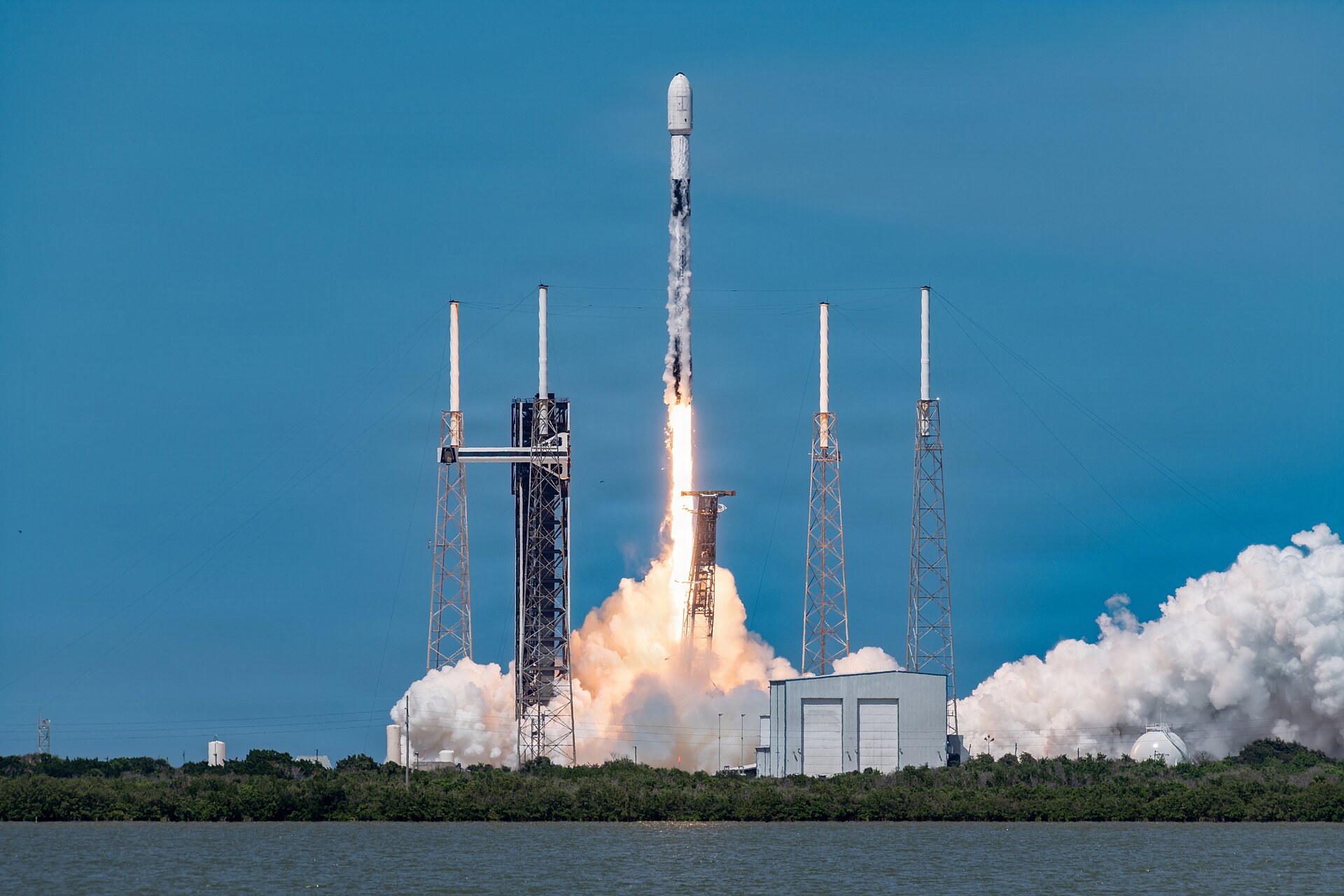

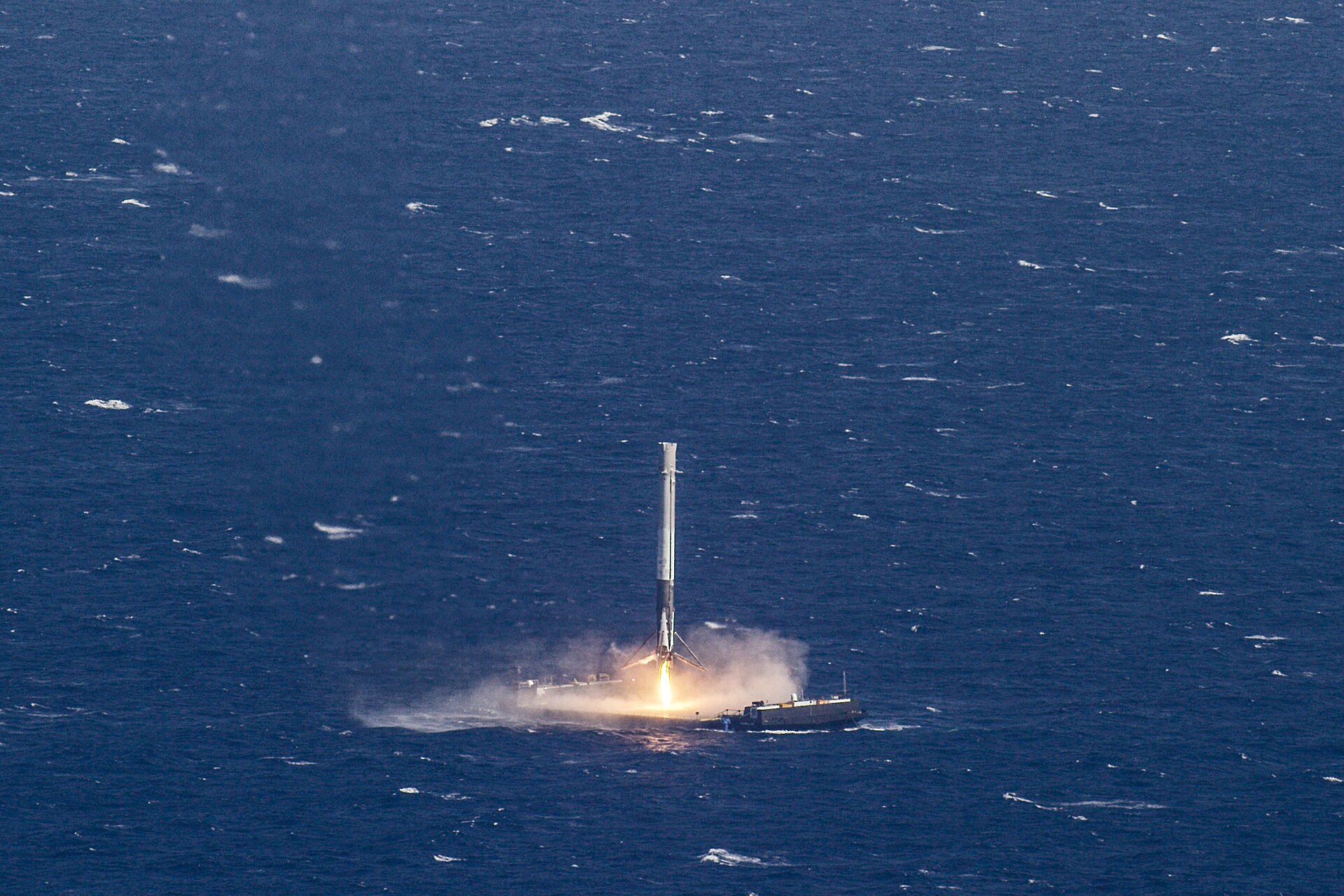
The results are in, and Bandwagon-5 was a clean sweep. SpaceX launched the rideshare mission at 7:04 a.m. ET on Tuesday, October 20, 2026, from Space Launch Complex 40 at Cape Canaveral Space Force Station, and confirmed after launch that all 32 payloads were deployed to mid-inclination orbit, according to Via Satellite. The Falcon 9’s first-stage booster — flying its 19th mission — landed on the droneship A Shortfall of Gravitas in the Atlantic just shy of nine minutes after liftoff, Florida Today reported. Previously previewed the mission in our Bandwagon-5 launch preview; this is what actually happened when it flew.
A 19-flight booster and a jellyfish sunrise
The booster that flew Tuesday had a working résumé most rockets never approach. Before Bandwagon-5, it had supported Crew-9, Firefly Aerospace’s Blue Ghost Mission 1, the Fram2 private astronaut mission and a string of Starlink flights, according to SpaceX’s mission history as summarized by Florida Today and Space.com coverage of the flight. Its return to A Shortfall of Gravitas, completed just under nine minutes after liftoff, kept SpaceX’s high-cadence reuse streak intact on a morning when the recovery zone weather had scrubbed the previous day’s attempt.
The launch also delivered the visual the Space Coast had been hoping for. Because liftoff came before sunrise — 7:04 a.m., with sunrise at 7:26 a.m. — sunlight caught the rocket’s expanding exhaust plume high in the sky while the ground below was still dark, producing the glowing phenomenon known as a “space jellyfish,” Florida Today reported. The pre-sunrise timing made Bandwagon-5 a spectacle well beyond the Cape: a twilight plume visible across a wide stretch of Florida’s east coast. And by the numbers, it was a milestone flight for the range itself — the 60th orbital launch of 2026 from the Space Coast, per Florida Today.
Who rode, and what they will do up there
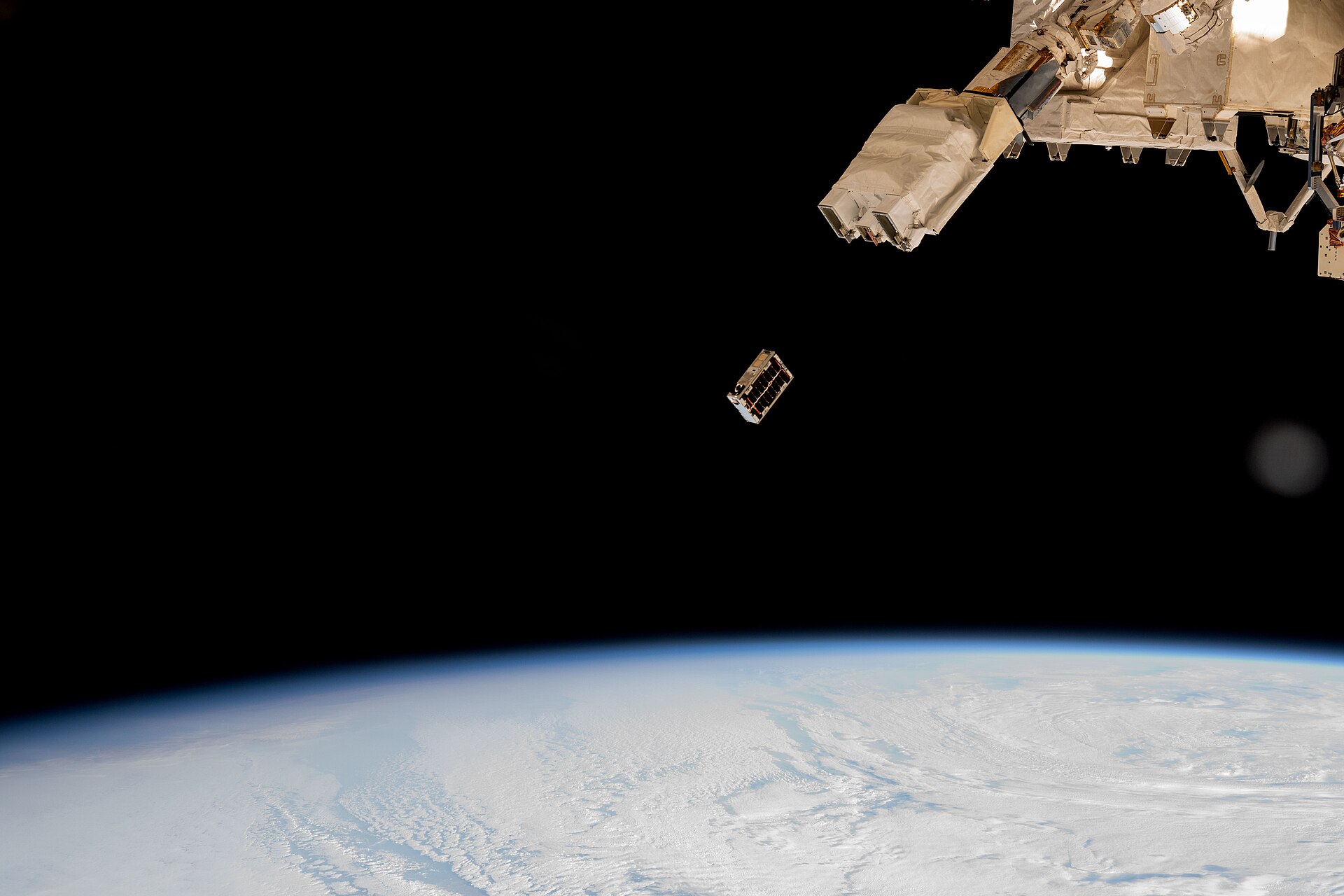
The largest customer on Bandwagon-5 was Xona Space Systems, which flew six satellites — two built in-house and four built by Aerospacelab — as it sets up its commercial navigation service, according to Via Satellite. A dedicated position, navigation and timing constellation is one of the most ambitious commercial bets in the manifest: Xona is building a low-Earth-orbit alternative and complement to GPS, and six satellites on one rocket is the kind of bulk deployment that only rideshare economics makes sensible.
Portal Space Systems flew Starburst-1, the first demonstration of its maneuverability spacecraft, designed to test rendezvous and proximity operations — the ability to approach, inspect and maneuver around other objects in orbit, per Via Satellite. Planet Labs’ Pelican-12 carried a demonstration payload for SES Space & Defense under NASA’s Communications Services Project, and Viasat’s Maxwell satellite, built by Rocket Lab, will test relay services for the same NASA program, according to Via Satellite. The NASA thread matters: the Communications Services Project is how the agency is moving its near-Earth communications from government-owned systems toward commercial relay services, and Bandwagon-5 put two separate CSP demonstrations on orbit in a single morning.
Weather eyes and a capsule that comes back
The sensing contingent was deep. Tomorrow.io flew two weather satellites; HawkEye 360 flew a trio of its radio-frequency sensing satellites; and PlanetiQ launched GNOMES-11 to expand its GNSS radio-occultation observations for weather forecasting, according to Via Satellite and Space.com. Together they underline what mid-inclination rideshare has become: the default delivery route for commercial Earth-observation and weather constellations that need regular, affordable replenishment.
The most unusual passenger was SpaceX’s own. Bandwagon-5 carried the second demonstration flight of Project Starfall, SpaceX’s reentry capsule — a vehicle of roughly 2,100 kilograms designed to return up to 1,000 kilograms of payload from orbit, according to mission coverage by Via Satellite and Space.com. A rideshare that not only delivers satellites but also tests a capsule built to bring cargo back down is a glimpse of where SpaceX wants the program to go: orbit as a round trip, not a one-way delivery.
Why Bandwagon is its own thing
Bandwagon missions occupy a specific niche in SpaceX’s rideshare system. They fly to mid-inclination orbit, unlike the Transporter rideshares, which fly to sun-synchronous orbit, Via Satellite noted. That distinction decides which customers show up: sun-synchronous orbits suit Earth-imaging satellites that want consistent lighting, while mid-inclination orbits serve navigation, communications and sensing constellations that need coverage of the populated mid-latitudes. Bandwagon-5 was the fifth Bandwagon mission overall — and, notably, the only one so far this year, per Via Satellite.
What happens next, now that everything is up
Deployment is the starting gun, not the finish line. Over the coming days and weeks, each operator begins the unglamorous work of commissioning: checking out spacecraft buses, unfolding antennas and solar arrays, and calibrating the payloads that justified the ride, according to the mission profiles published by Via Satellite. Xona’s six satellites move the company toward the start of its commercial navigation service, while Portal’s Starburst-1 begins the maneuvering demonstrations that are the entire point of its flight. The two NASA Communications Services Project demonstrations — SES Space & Defense’s payload aboard Pelican-12 and Viasat’s Maxwell — will run their relay tests against the agency’s requirements, and the weather and sensing satellites from Tomorrow.io, HawkEye 360 and PlanetiQ feed data into forecasting and monitoring products their customers already subscribe to. SpaceX, for its part, turns the booster around for flight number 20.
By Tuesday afternoon, the scoreboard read simply: 32 payloads launched, 32 payloads deployed, one 19-flight booster back on its droneship, and one glowing jellyfish over Florida for anyone awake early enough to look up. For a program built on the unglamorous idea that small satellites should be able to buy a ticket instead of a whole rocket, that is about as complete a morning as it gets. More space and technology coverage is on Previously’s news front.
Sources · 3 sources
- Via Satellite — 32 Payloads Catch a Ride on Morning SpaceX Bandwagon Mission (October 20, 2026)
- Florida Today — SpaceX Rocket Generates a Glowing Jellyfish in Florida Sky After Cape Canaveral Launch (October 20, 2026)
- PrimeTimer — Did SpaceX Launch a Rocket Today? The Falcon 9 Bandwagon-5 Mission (October 20, 2026)