
A satellite speed limit learned about in the middle of drone missions becomes a question of trust between allies
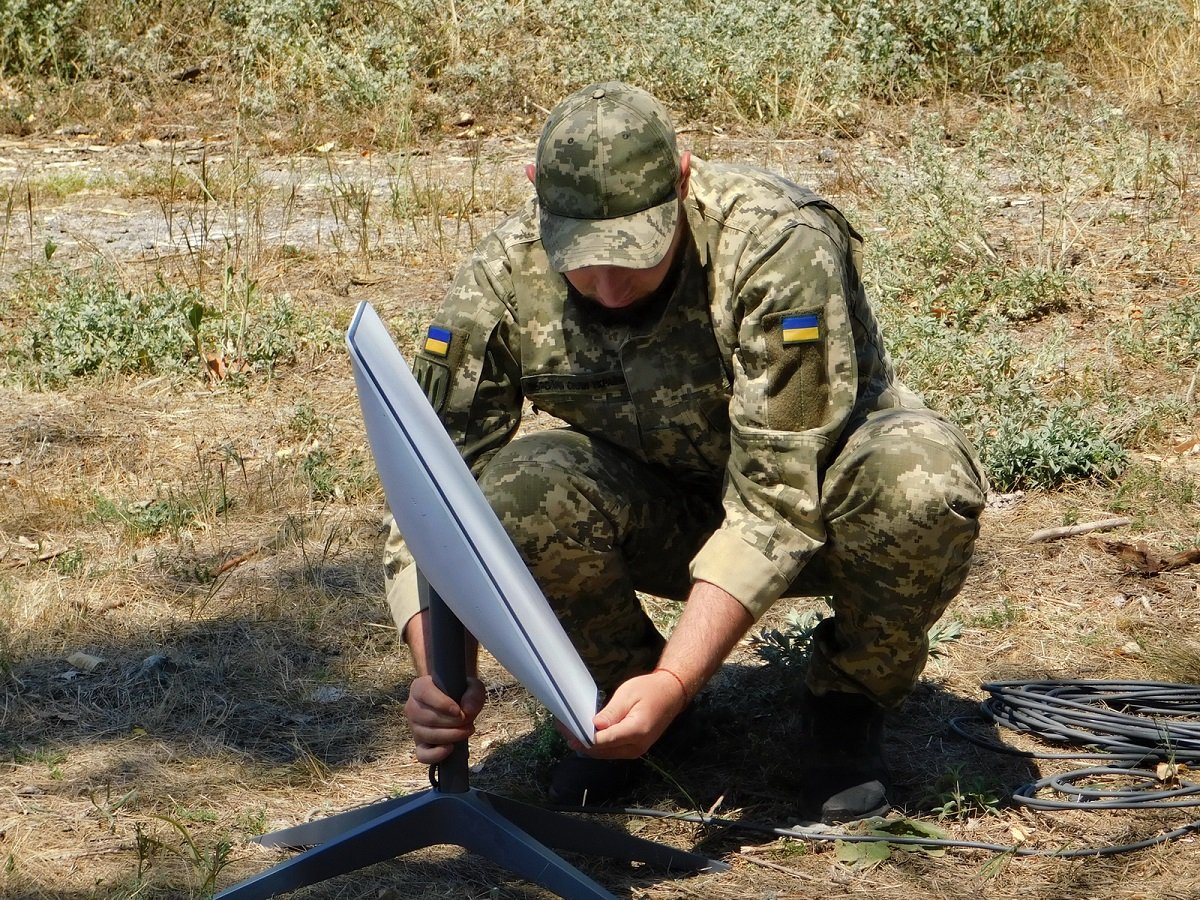
Modern war runs on connectivity, which is why a speed limit — of all things — became a battlefield story on Wednesday. Ukraine says SpaceX introduced a limit on its military-grade Starlink service that causes terminals moving faster than about 100 miles per hour to stop working, and that the change, arriving without warning, disrupted drone missions at the front.
According to Reuters, presidential adviser Serhiy Beskrestnov said on Telegram that several missions were disrupted by the restriction. A source in Ukraine's 7th Rapid Reaction Corps confirmed the disruptions to Reuters. Those are two distinct Ukrainian sources in Reuters' reporting — an adviser speaking publicly and a military source confirming the effect — and together they paint a picture of units discovering a new technical ceiling in the middle of operations, rather than being briefed about it in advance.
The detail that matters is the threshold: 100 mph, or 160 km/h, per Reuters. A terminal is not a vehicle, of course, but terminals guiding or mounted in connection with fast-moving drones live or die by whether the link holds at speed. If a connection drops once that line is crossed, a mission that depends on continuous guidance does not slow down politely. It fails. That, Ukrainian officials say via Reuters, is what happened to several missions.
No warning, and no immediate answer
Ukraine's complaint, as Reuters reported it, is not only about the limit itself but about the absence of warning. Forces that have built procedures around a communications system plan around its known behavior. Change that behavior overnight — even for reasons the provider considers justified — and the people at the sharp end learn about it from a lost link, which is the worst possible classroom.
Reuters reported that SpaceX did not immediately respond — in the related coverage, that there was no immediate response from Elon Musk or SpaceX, and that SpaceX did not immediately respond outside US hours. That silence should be reported carefully: it is not an admission, and it is not a denial. It is, for now, an unanswered question at the center of a public dispute, and Previously will update the record if SpaceX or Musk responds on the substance.
There may be technical or policy explanations for a speed restriction that have not yet been offered publicly. We do not invent them here. What is established, on Reuters' reporting, is narrower and still significant: Ukrainian officials say a limit was introduced, they say missions were disrupted, a unit source confirmed disruption, and the company had not immediately explained itself when the story moved.
Poland pays the bill — and asks the question out loud
The most politically pointed reaction did not come from Kyiv. It came from Warsaw.
Poland pays for Ukraine's Starlink subscription, a fact Reuters noted in its coverage, which gives Poland more than a spectator's interest in how the service behaves. Polish Foreign Minister Radoslaw Sikorski publicly asked Elon Musk on X whether he was "playing politics" with his products, according to Reuters, and said European customers are watching. That last point, paraphrased from Sikorski's intervention as reported by Reuters, was aimed beyond this one incident: if a service that governments depend on can change in ways that affect a war, every other government customer will want to know what guarantees, if any, come with the contract.
There is a reason foreign ministers usually conduct this kind of argument in private. Doing it on X, in public, is a choice — it raises the reputational stakes for the company and signals to European audiences that their governments are not simply accepting the situation. Whether you read Sikorski's post as pressure, frustration, or positioning for a European alternative, it turned a technical disruption into a question about trust in a supplier. Trust, once it becomes the story, is much harder to restore than a dropped connection.
The wider moment: Kyiv and Washington
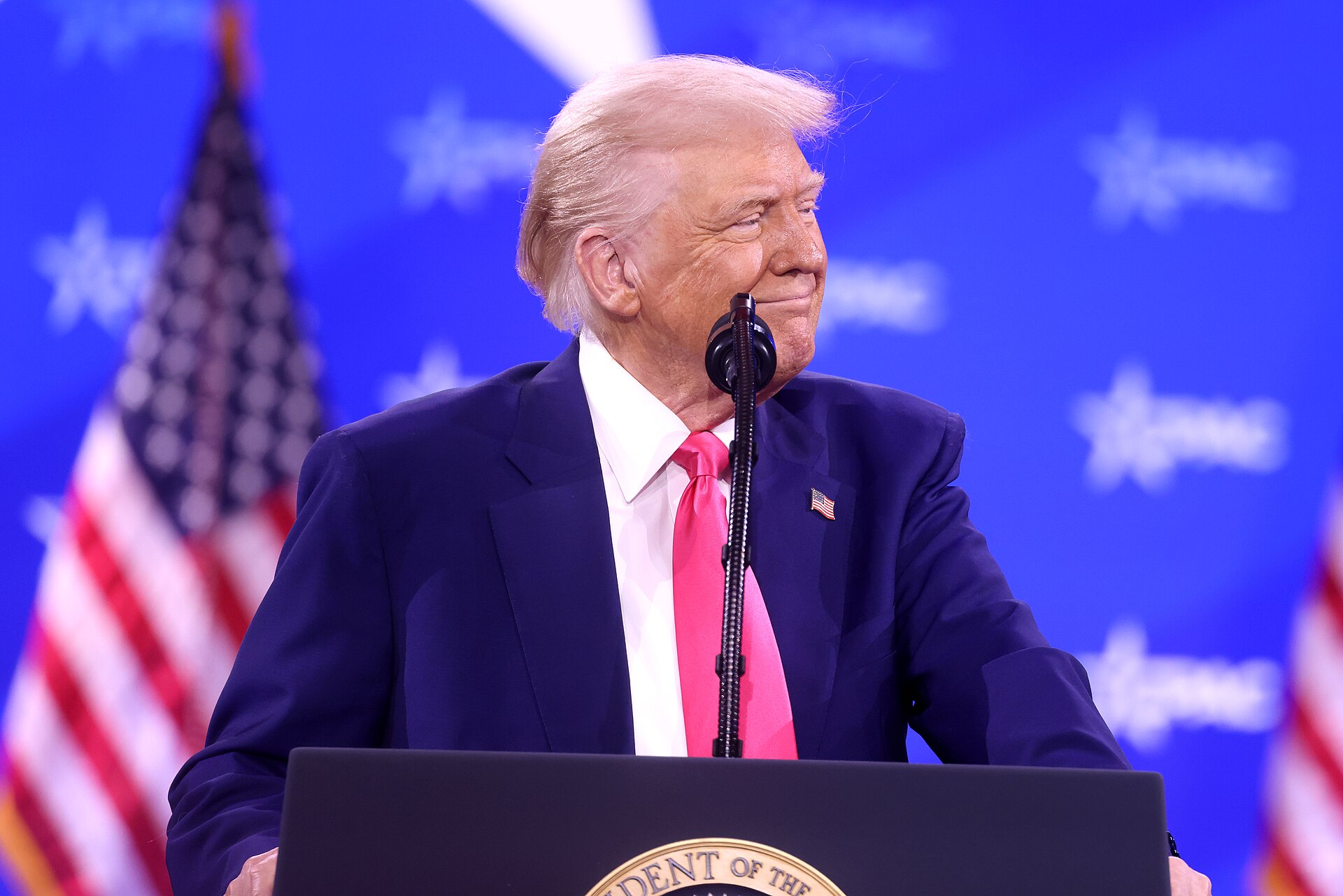
Reuters placed the Starlink dispute in a deteriorating political context. Ties between Kyiv and Washington worsened after President Donald Trump lifted Russian diesel sanctions and announced an energy ceasefire that neither side confirmed, while Russian missiles knocked out Ukrainian power stations, according to Reuters' contextual reporting. You do not need to allege a connection between those developments and a Starlink speed limit — and Reuters' Ukrainian sources, as summarized here, alleged disruption, not a proven motive — to see why the timing lands badly in Kyiv.
When relations are strained, every unexplained technical change gets read through a political lens. That is not paranoia; it is how allies behave when they are dependent and anxious. Ukraine depends on Starlink in a way few militaries have ever depended on a single commercial provider, and dependence magnifies every interruption into a strategic question. The honest reporting position is to hold two things at once: the disruption is confirmed by Ukrainian sources to Reuters, and the reason for the limit has not been publicly established in that reporting.
Markets notice a European opening
Investors, characteristically, skipped the philosophy and went straight to the trade. Eutelsat shares rose 11.6% on Wednesday and SES gained 2.7%, as investors bet European providers could benefit from the controversy, according to Reuters. Bernstein analyst Aleksander Peterc, cited by Reuters, was among the voices assessing that European operators could gain if customers look for alternatives — paraphrased here, his point was part of the market logic Reuters described behind the moves.
An 11.6% jump is not a verdict that Eutelsat replaces Starlink tomorrow. Satellite capacity, terminal ecosystems and battlefield integration cannot be swapped like a phone carrier, and everyone in this market knows it. What a move that size does signal is that investors think the political argument Sikorski made out loud — European customers are watching — could translate, over time, into procurement decisions. Governments that have spent two years debating strategic autonomy now have a vivid, same-day example to point to in budget meetings.
That may end up being the most durable consequence of Wednesday's disruption. Missions were disrupted, and that matters most to the people flying them. But in Warsaw, in European capitals and in the market, the story widened within hours from a speed threshold to a sovereignty question: who controls the connectivity a war depends on, what notice do they owe the people depending on it, and what happens when the customer paying the bill — Poland, in this case — starts asking that question in public, to Elon Musk directly, with no immediate answer back?
SpaceX built extraordinary goodwill in Ukraine by keeping the country connected when little else worked. Goodwill, like bandwidth, is a resource that gets used. Wednesday tested how much of it remains — and, judging by a Polish foreign minister posting on X and European satellite shares jumping double digits, a lot of people decided not to wait for an answer before hedging.
Sources · 3 sources
- Reuters — Reuters — October 14 reporting on Ukraine's account of the Starlink speed limit, Beskrestnov's Telegram statement, and confirmation from a source in the 7th Rapid Reaction Corps.
- Reuters — Reuters — October 14 reporting on Sikorski's public question to Elon Musk, Poland paying for Ukraine's subscription, and the absence of an immediate SpaceX response.
- Reuters — Reuters — October 14 market reporting on Eutelsat rising 11.6% and SES gaining 2.7%, including Bernstein analyst Aleksander Peterc's assessment.