
Three Arizona Democrats in the U.S. House of Representatives said Monday that they had been warned about suspicious letters containing unknown substances sent to their offices, an episode that is now under investigation by the FBI and the U.S. Postal Inspection Service with the midterm elections two weeks away. The offices of Rep. Adelita Grijalva, who represents Arizona’s 7th District, Rep. Greg Stanton, who represents the 4th District, and Rep. Yassamin Ansari, who represents the 3rd District, received the letters, according to the Arizona Republic.
The three lawmakers said on October 19 that the FBI Phoenix Field Office and the Arizona Department of Homeland Security informed them over the weekend about the letters, according to the Arizona Republic and a joint statement posted on Stanton’s congressional website at stanton.house.gov. That timing matters for understanding what is known so far. The members were not describing letters they had opened themselves in their current offices. They were describing a warning from law enforcement about mail that, in each case, had been directed somewhere else or stopped before it arrived.
What the lawmakers said, in their own words
In their joint statement, the three members struck a defiant tone and thanked the officials who alerted them. “We will not be intimidated, and we’ll keep doing the work that Arizonans elected us to do,” they said, according to the statement on stanton.house.gov and reporting by the Arizona Republic. “We’re grateful to law enforcement for acting quickly and keeping our staff and communities safe.”
Ansari made a similar point separately on social media on October 19. “Threats and intimidation will never stop us from being public servants,” she wrote, according to the Arizona Republic’s account of her post. The statements, taken together, were careful in two ways. They did not describe the contents of the letters beyond the phrase the officials themselves used — suspicious letters containing unknown substances — and they did not speculate about who sent them or why. That restraint reflects the stage of the investigation: the agencies have confirmed the letters exist and are being examined, and the members have confirmed they were warned. Beyond that outline, the public record released on Monday remained narrow.

Where each letter was sent, and how it was stopped
The destinations help explain why the warning came from investigators rather than from staff opening mail in a district office. A letter addressed to Stanton was sent to his Mesa office and was intercepted before delivery, according to the Arizona Republic. Letters to Grijalva and Ansari were sent to former office addresses, according to the same reporting. In other words, none of the three letters is described in the reporting as having been delivered to and opened in the members’ current offices.
That distinction is important for the safety picture and for the investigation itself. Intercepted mail can be preserved, photographed and tested without the additional exposure that comes when an envelope is opened in a busy office. Mail sent to a former address can also tell investigators something about the information the sender was using — whether it was current, outdated or drawn from an older listing — although none of the agencies or lawmakers quoted on Monday drew that conclusion publicly, and Previously is not drawing it either. What is established, according to the Arizona Republic, is the pattern of destinations and the fact of interception in Stanton’s case.
Who is investigating
The FBI and the U.S. Postal Inspection Service are investigating the letters, according to the Arizona Republic. The Postal Inspection Service is the law enforcement arm that handles crimes involving the mail, which makes its role a natural fit alongside the FBI when the reported delivery method is a letter and the reported contents are an unknown substance. The Arizona Department of Homeland Security was among the agencies that informed the members over the weekend, along with the FBI Phoenix Field Office, according to the joint statement.
No agency quoted on Monday released a finding about what the unknown substances were, whether they were hazardous, or who was responsible. Those are the central open questions, and they are the kind that laboratory testing and a mail investigation are designed to answer before officials speak in conclusions. Until an agency does, the accurate description remains the one the lawmakers used: suspicious letters containing unknown substances.
A week that had already put Arizona election offices on edge
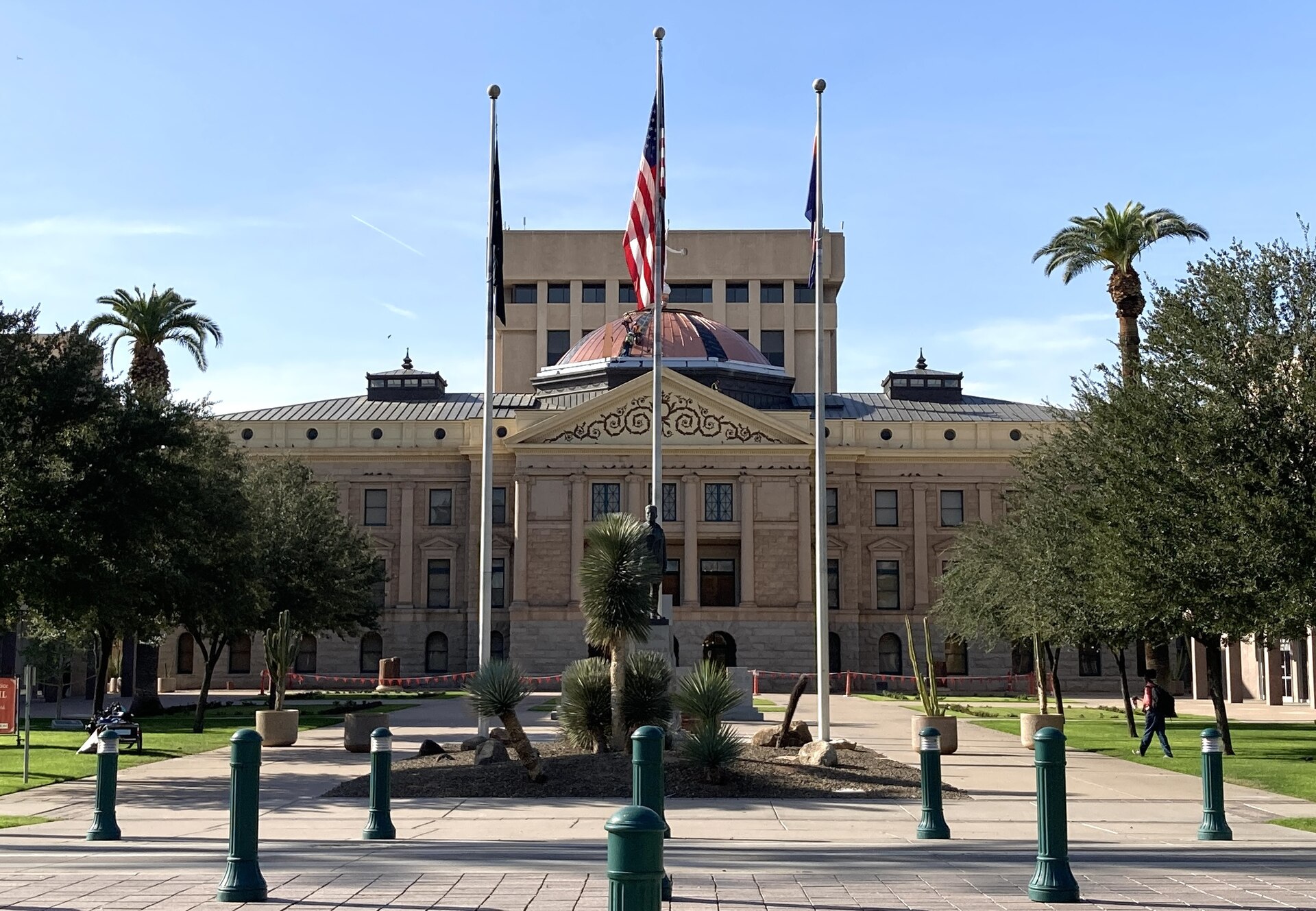
The warning did not arrive in isolation. Similar incidents have been reported in Arizona and across the country in the weeks before the November 3 midterm elections, according to the Arizona Republic. In Phoenix, the Arizona Executive Tower at the state Capitol was evacuated on October 15 after staff in the Secretary of State’s Office opened an envelope containing white powder, according to the Arizona Republic. That building sits at the center of state government in Phoenix, and an evacuation there, days before early voting and election administration work intensifies, was already a significant disruption on its own terms.
Other states have reported comparable episodes this month. The Louisiana Secretary of State’s office reported a similar incident two days before the Arizona Capitol evacuation, and elections officials in Ohio and Oklahoma also reported suspicious packages earlier in October, according to the Arizona Republic, citing local media in those states. No injuries were reported in those states’ incidents, according to that reporting. The Arizona Republic’s account placed the letters to the three House members inside that broader run of October incidents without claiming that investigators have linked them. Readers should hold that distinction as firmly as the reporting does: a shared timeframe and a similar method are context, not proof of a single sender or a coordinated campaign.
A separate nationwide series described by FOX10
FOX10 Phoenix added a further piece of national context on Monday. Federal officials said last week that they were investigating more suspicious letters sent to election offices nationwide and to offices on Capitol Hill, described as “potentially hazardous,” according to FOX10. FOX10 reported that the return address on that nationwide series pointed to the Democratic Socialists of America headquarters in New York City, and that the exact contents of those letters had not been released. That return-address detail, as FOX10 presented it, belongs to the nationwide series federal officials described last week. It has not been established that the Arizona letters to Grijalva, Stanton and Ansari bore that return address, and this article does not claim they did. Conflating the two would go beyond what Monday’s sources support.
That caution matters because return addresses on suspicious mail are not, on their own, proof of who sent it. Investigators routinely treat a printed return address as a claim to be tested, not as an attribution. The agencies investigating both the Arizona letters and the nationwide series have not, in the reporting available Monday night, publicly attributed either set of letters to a person or a group.
Two weeks before the midterms
The calendar is part of the story whether investigators ultimately find an election motive or not. The midterms are on November 3, and congressional district offices, county recorders, secretaries of state and Capitol staff are all working through the busiest and most scrutinized stretch of the election cycle. A suspicious letter in that window forces closures, evacuations, testing and delays even when it turns out to contain nothing dangerous, and it puts staff — often the first people to handle incoming mail — in the position of having to treat an ordinary envelope as a potential hazard.
That is also why Monday’s joint statement emphasized staff and community safety alongside the pledge not to be intimidated. The members thanked law enforcement for “keeping our staff and communities safe,” a line that points to the people around the offices as well as the elected officials whose names were on the mail. Election-integrity enforcement has been in the news in the Southwest for other reasons this week as well; Previously covered federal arrests in a California voter-fraud case in today’s election-integrity story. Arizona’s federal delegation has also been dealing with Washington fights that land directly at home, including the multi-state dispute Previously covered in Arizona joining Nevada’s Colorado River lawsuit. The letters arrive on top of an already crowded and tense agenda.
What to watch next
The next verified facts in this story will most likely come from the testing. If the FBI, the Postal Inspection Service or Arizona homeland security officials identify the substances, say whether any of the letters posed a health risk, or describe a link — or the absence of a link — to the Capitol evacuation on October 15 or to the nationwide series, those statements will change what can responsibly be reported. Until then, the responsible summary is the narrow one Monday’s sources support: three Arizona House Democrats were warned over the weekend about suspicious letters containing unknown substances; one letter was intercepted before it reached Stanton’s Mesa office; the other two went to former addresses; federal investigators are on the case; and the members say they will keep working. More coverage is on the Previously news front as officials release further findings.
Sources: Arizona Republic (azcentral.com — letters, destinations, agency warnings, October context); joint statement of Reps. Grijalva, Stanton and Ansari (stanton.house.gov); FOX10 Phoenix (nationwide series and return-address reporting).
Sources · 3 sources
- Arizona Republic — suspicious letters to Arizona House members, October 19, 2026
- Joint statement — Reps. Grijalva, Stanton and Ansari, via stanton.house.gov, October 19, 2026
- FOX10 Phoenix — nationwide suspicious-letter investigation, October 2026