Assassin's Creed · Chapter F · · 1 min read
Naval adventure — Black Flag
Assassin's Creed III put warships on the water, but Assassin's Creed IV: Black Flag in 2013 made the sea the whole game.
In this Vault
- Chapter A — Franchise origins — parkour and stealth
- Chapter B — Assassins vs Templars
- Chapter C — Three timeline views
- Chapter D — Protagonists and settings
- Chapter E — Ezio and the early legacy
- Chapter F — Naval adventure — Black Flag
- Chapter G — RPG era vs classic stealth
- Chapter H — Modern day and the Isu — mythology
- Chapter I — Where the franchise is now
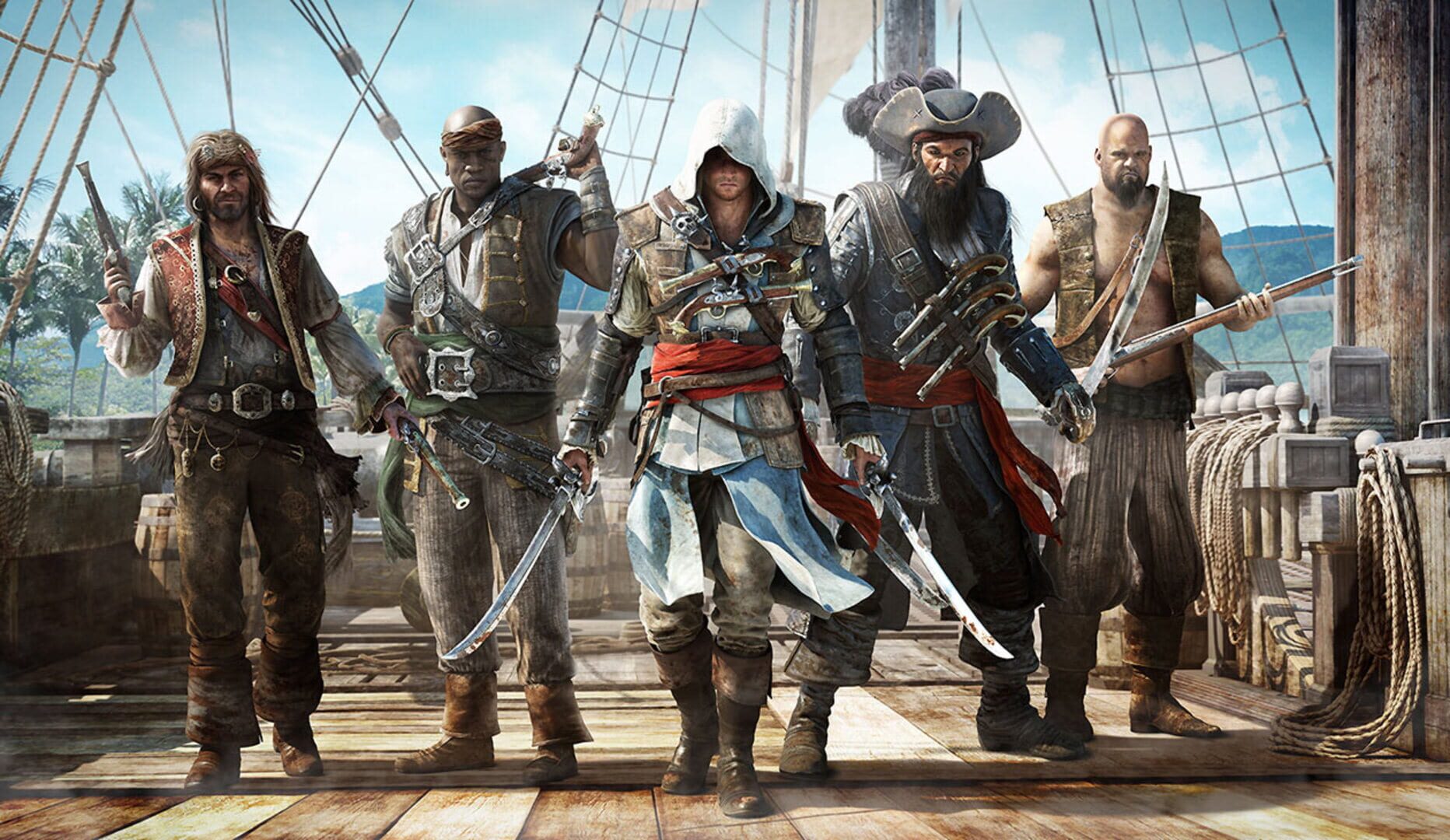
Assassin's Creed III put warships on the water, but Assassin's Creed IV: Black Flag in 2013 made the sea the whole game. As Edward Kenway, captain of the Jackdaw, players sail the Caribbean during the Golden Age of Piracy — boarding ships, hunting treasure, diving to wrecks and upgrading their brig between story missions on land.
Historical pirates including Blackbeard appear as characters, though their part in an Assassin and Templar hunt is the game's fiction. Black Flag worked because piracy and the Assassin fantasy want the same things: freedom, risk and a fortune always one horizon away. Its shanties, storms and seamless ship-to-shore movement remain a high point fans still cite, and its naval ideas carried forward into Rogue and influenced open-world sailing games well beyond this series.
Sources
- Wikipedia — Assassin's Creed IV: Black Flag
- Ubisoft official — Assassin's Creed IV: Black Flag
- Previously catalog — Assassin's Creed IV: Black Flag page