Call of Duty · Chapter H · 2003–today · The business · 1 min read
The Studios, Esports, Controversies and the Machine
A three-studio rotation, a franchised league, and two decades of arguments about what CoD should be — the machinery behind the games.
In this Vault
- Chapter A — 2003: The Franchise Starts in World War II
- Chapter B — The Modern Warfare Revolution
- Chapter C — Black Ops: Eras, Themes and Continuity
- Chapter D — The Zombies Evolution
- Chapter E — Multiplayer Through the Generations
- Chapter F — The Weapons and Iconic Maps
- Chapter G — Warzone, DMZ and the Live-Service Era
- Chapter H — The Studios, Esports, Controversies and the Machine
- Chapter I — MW4: The Launch Briefing
The annual cadence runs on a rotation: Infinity Ward (Modern Warfare), Treyarch (Black Ops) and Sledgehammer Games, supported by Raven Software and a long bench of support studios. The rotation is why the franchise can ship yearly while each line keeps a distinct identity — and why 'who made this one' is the first question in any serious CoD argument.
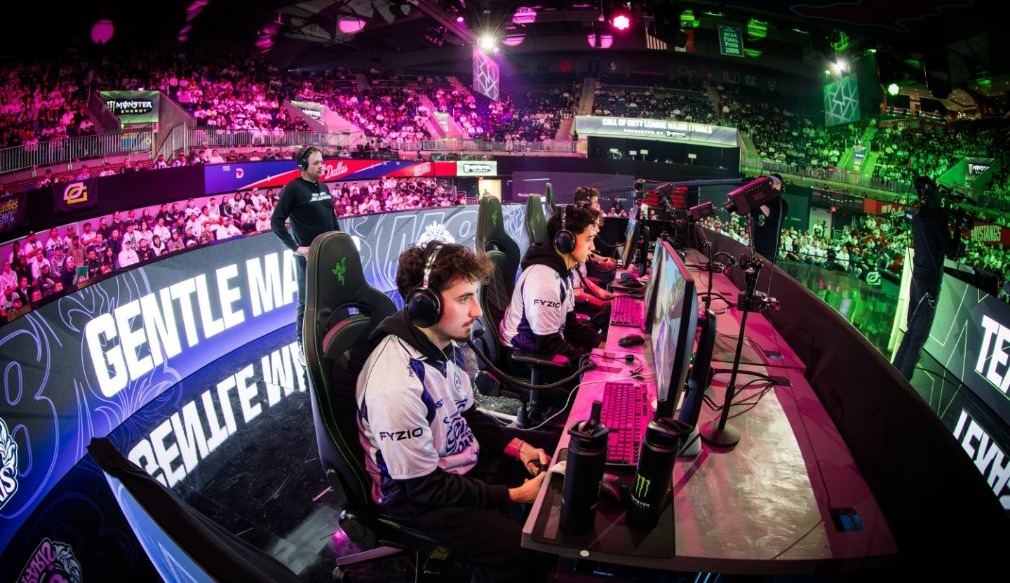
Competitively, the Call of Duty League brought franchised, city-based teams to the series in 2020, the latest form of a pro scene that predates it by a decade. Culturally, the series has carried every argument the industry has had with itself: military-entertainment ethics, monetization from map packs to the battle-pass era, and accessibility features that have steadily widened who can play.
The Vault records this layer with the same sourcing discipline as the games themselves — claims about sales, deals and disputes are published only with a named source attached.
Sources
- Previously Vault timeline record
- Previously game catalog records